
Last updated November 14, 2026
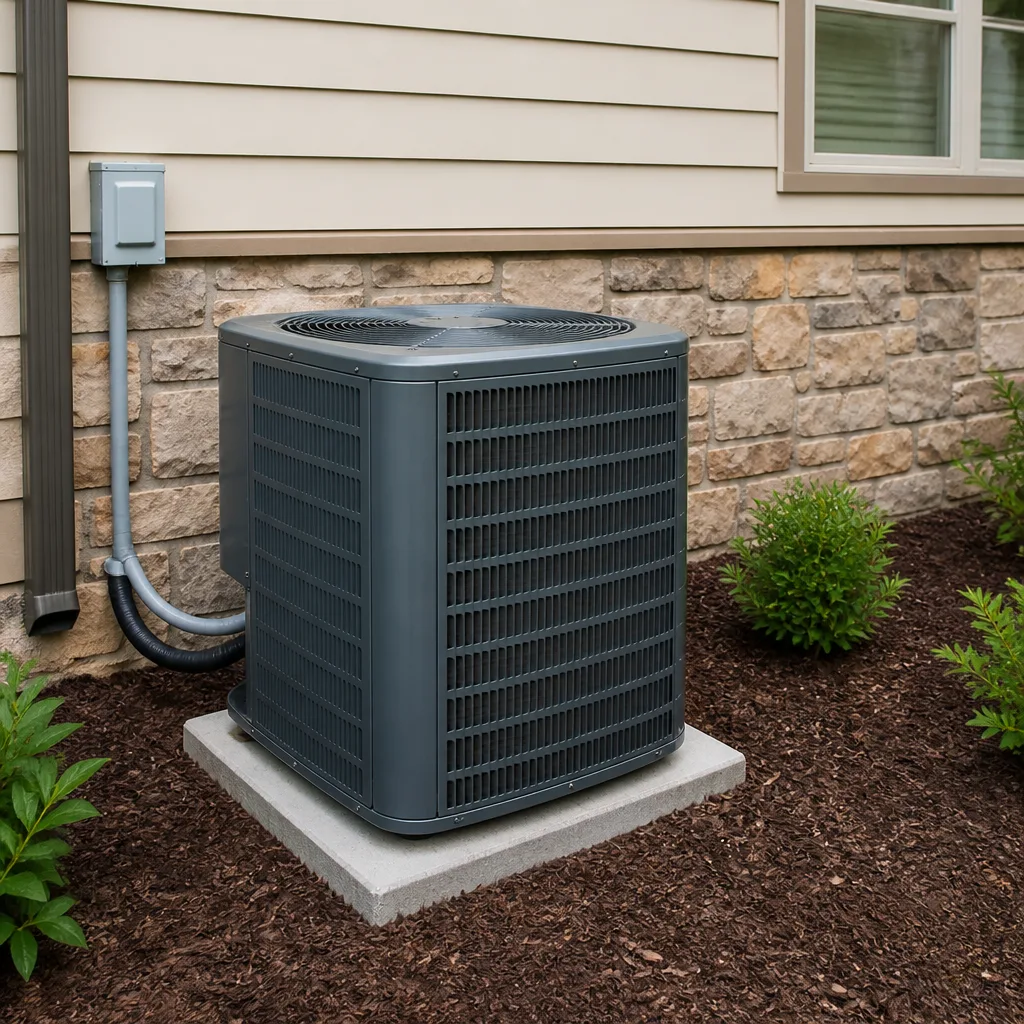 AC repair
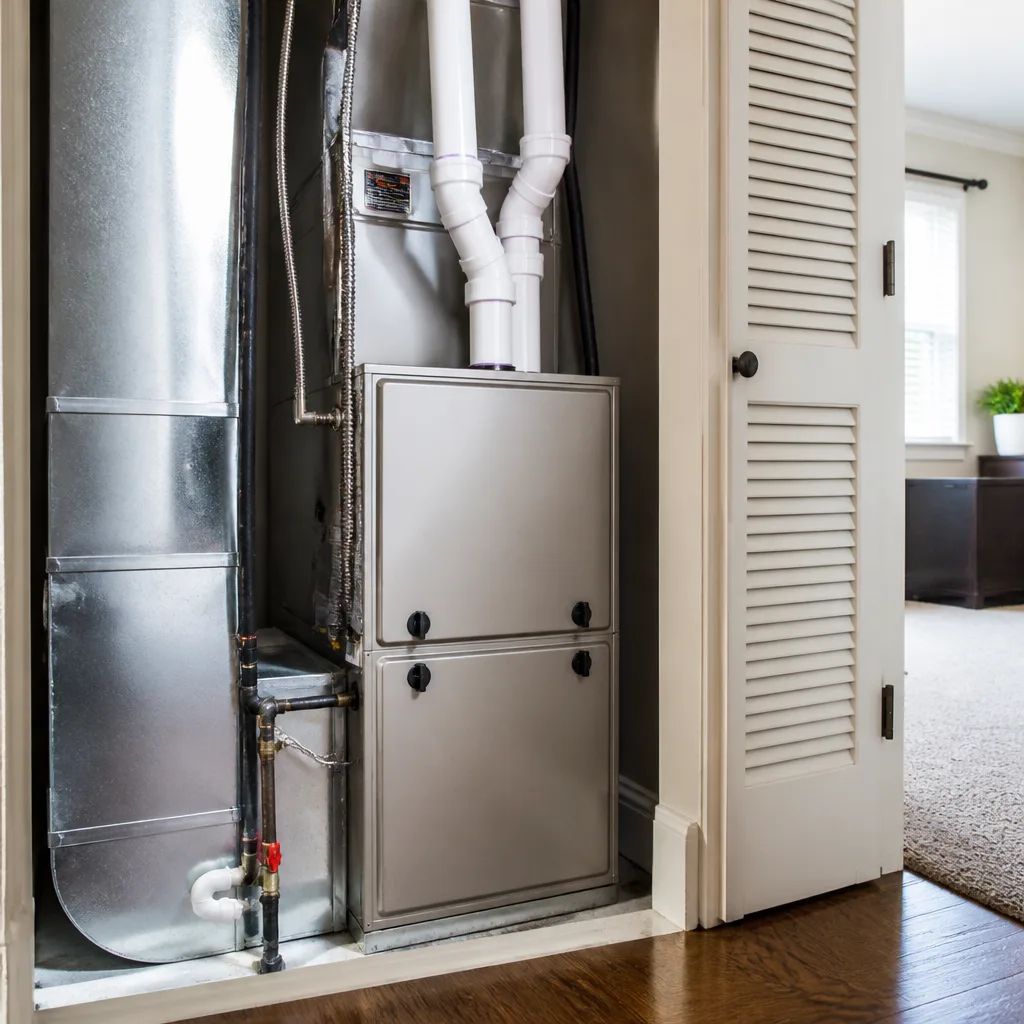 Furnace & heating
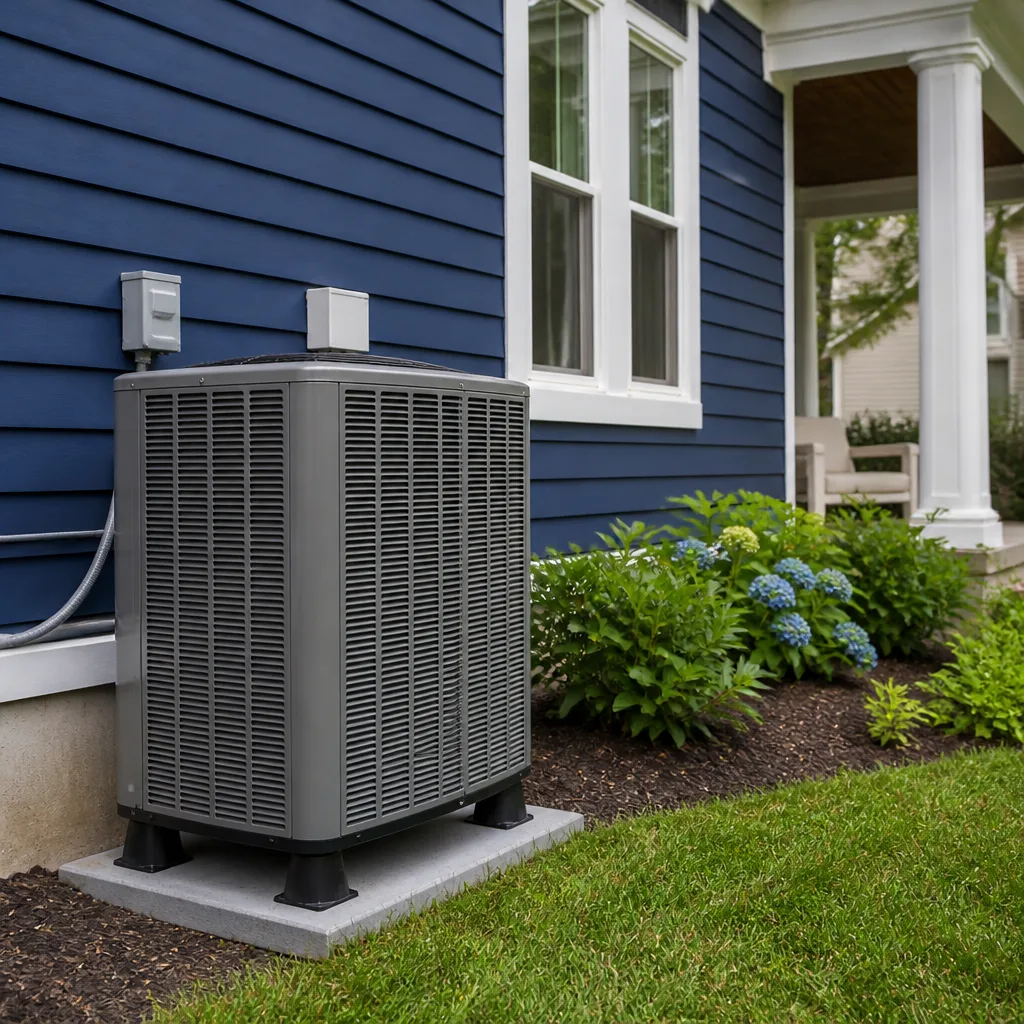 Heat pumps
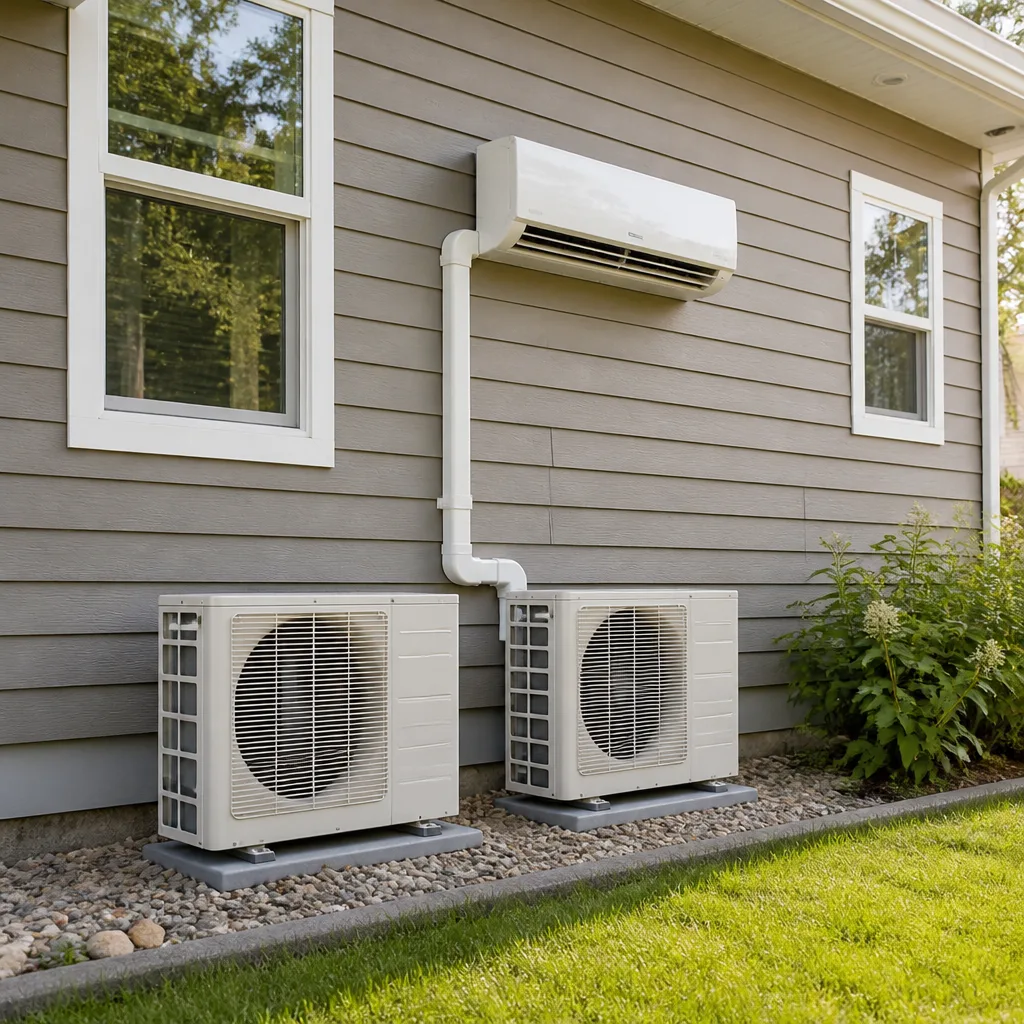 Ductless mini splits
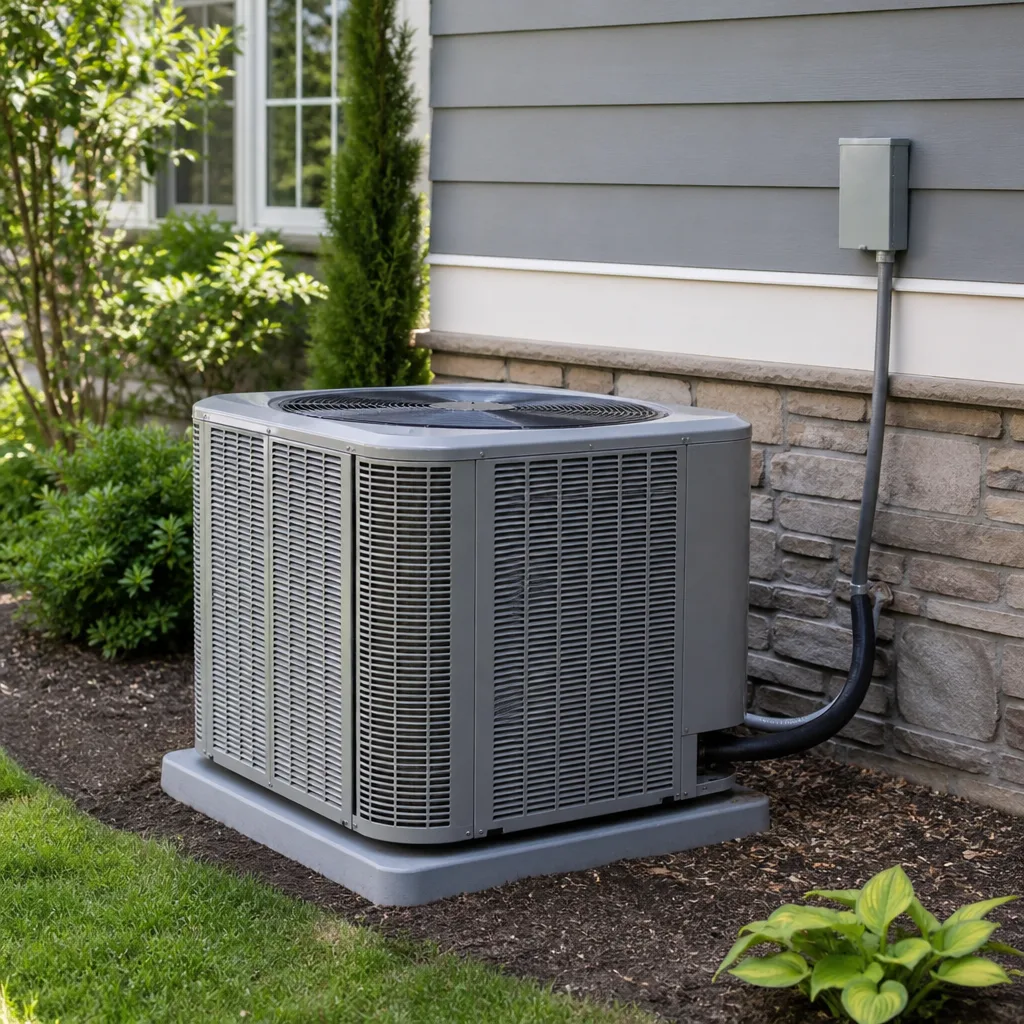 Carrier
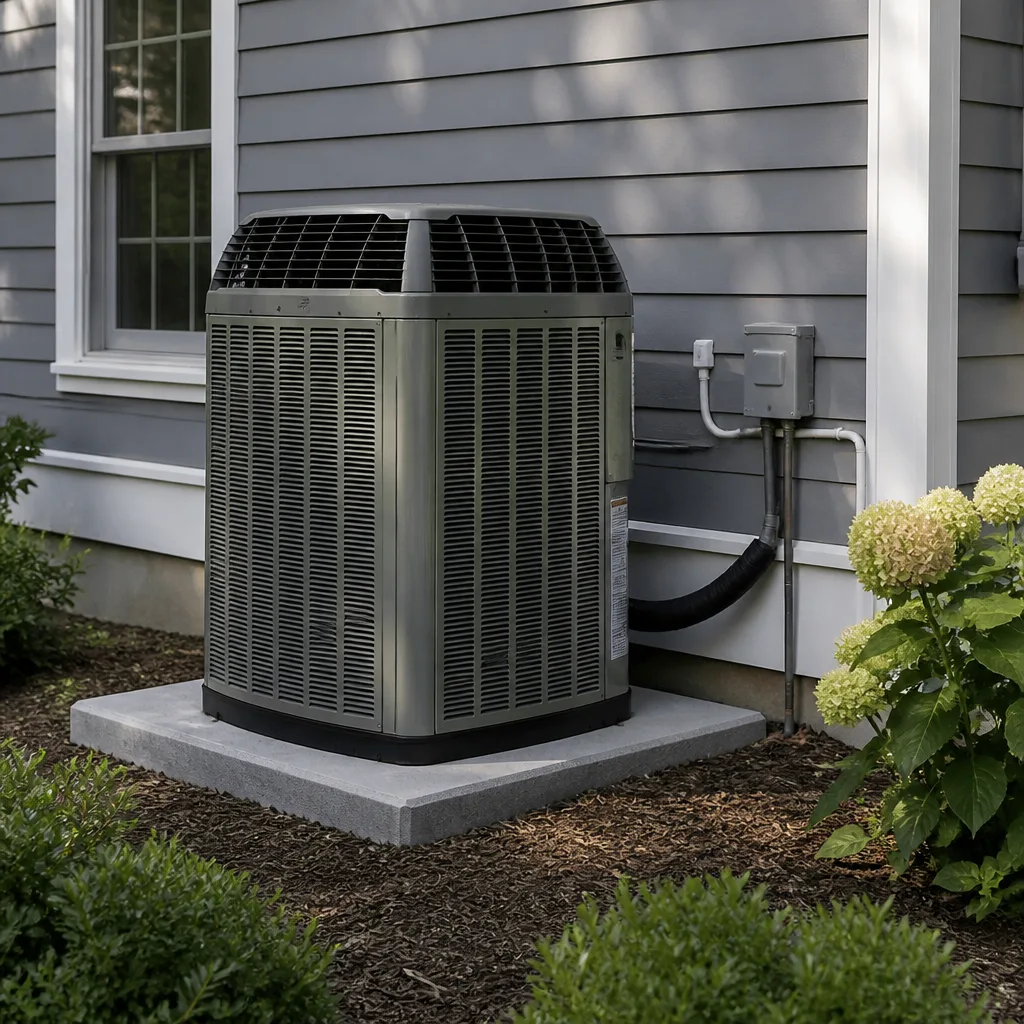 Trane
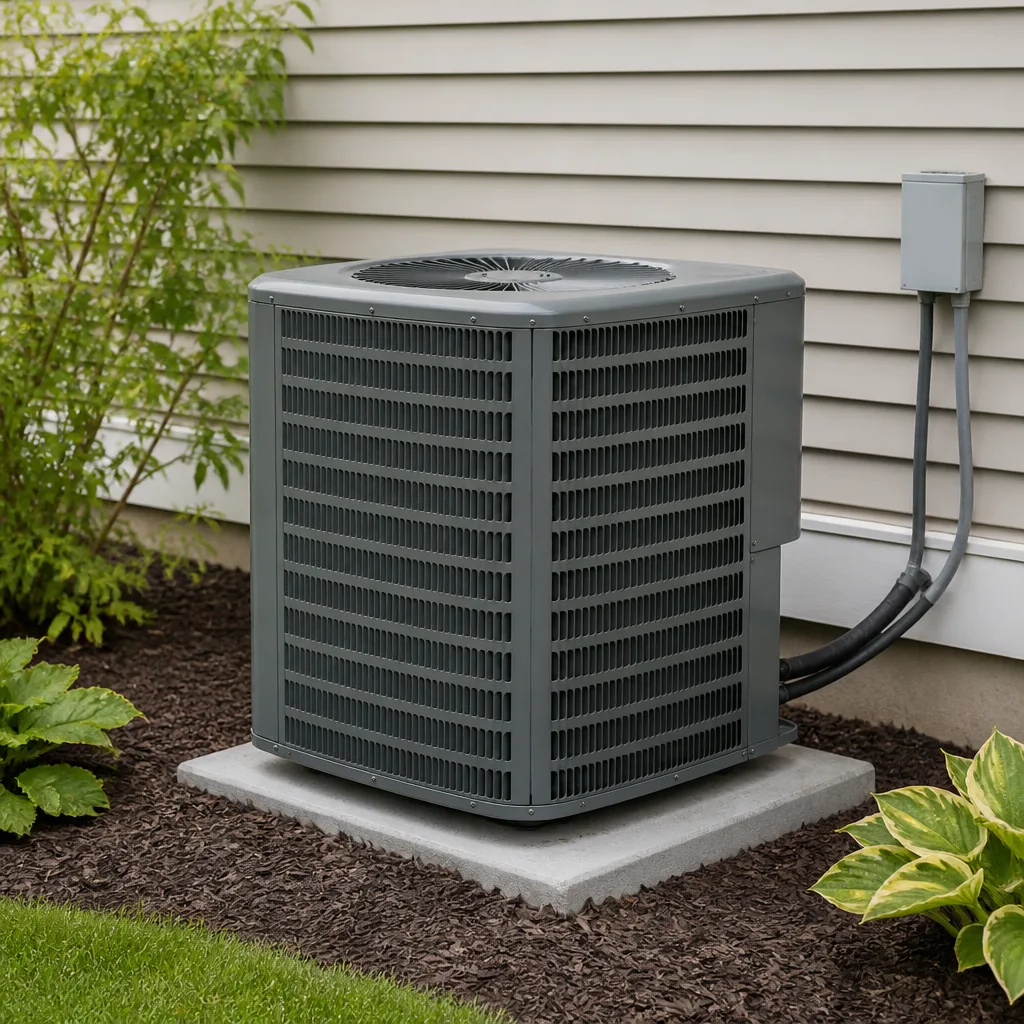 Goodman
Seasonal tune-up and full diagnostic on your Carrier, Trane, or Goodman system - readings shown to you before any repair is proposed
Diagnosis first, numbers second - you approve the repair price before a single part goes in.
Get your free estimateChoosing the Right HVAC Brand: A Buyer’s Guide for Santa Clara
A Carrier unit and a Bryant unit often share the same factory, the same components, and much of the same warranty language. They’re different brands under the same corporate parent, sold at different price points. That single fact changes how you should evaluate any contractor’s recommendation. Brand labels in heating and cooling are a lot more tangled than the names on the equipment suggest, and the differences that actually matter to a Santa Clara homeowner are rarely the ones a brochure highlights. In this guide, we’ll walk you through the real manufacturer family tree, how brand affects parts availability and technician familiarity in Santa Clara, and how to read warranty terms before you sign. You’ll also learn what to ask a contractor so you can tell whether a brand recommendation is right for your home or right for their dealer margin.
Quick Answer
In Santa Clara, the “best” HVAC brand is the one your contractor can correctly size, install, and get parts for quickly. Brand affects three things: parts availability, local technician familiarity, and warranty terms. It does not rescue a poorly sized or poorly installed system, and no nameplate on the equipment compensates for a bad install.
Styles & brands we work with
- AC repair
- Furnace & heating
- Heat pumps
- Ductless mini splits
- Carrier
- Trane
- Goodman
Table of Contents
- What “Brand” Actually Means: The HVAC Manufacturer Family Tree
- Parts Availability and Technician Familiarity in Santa Clara
- How to Read Manufacturer Warranty Terms
- Where Brand Quality Differences Are Real
- Is the Contractor Recommending This Brand for You or for Them?
- Why Sizing and Installation Matter More Than the Nameplate
- You Already Own a Brand: Repair or Replace?
- What Santa Clara’s Climate Asks of Your Equipment
What “Brand” Actually Means: The HVAC Manufacturer Family Tree
Most residential HVAC equipment in the U.S. comes from a handful of manufacturers that own many brand names. Understanding that structure tells you which units are essentially siblings and which are genuinely different products. A few of the relationships worth knowing:
- Carrier and Bryant run under Carrier Global. They share a great deal of engineering and components and are frequently sold through different dealer tiers.
- Trane and American Standard are sister brands under Trane Technologies. They share platforms and are commonly compared on price rather than performance.
- Lennox operates as its own major manufacturer and is also tied to the Ducane and Armstrong product lines.
- Goodman sits under Daikin’s manufacturing umbrella alongside Amana, which means Daikin, Goodman, and Amana share ownership and overlap in engineering.
- Rheem carries its own residential line and also owns Ruud, a long-standing sister brand.
- York is part of Johnson Controls, a company whose commercial and industrial work is much larger than its residential presence.
What does this mean for a Santa Clara homeowner? Two brands that look like competitors on a bid sheet may share the same compressor platform, the same control board supplier, and even the same factory. In some cases, paying a premium for the “upscale” name buys you a different badge on a very similar machine. In other cases, the tiers are genuinely different: a builder-grade Goodman is not built like a communicating, variable-speed Daikin. The lesson is to compare the actual model series and its specifications, not the marketing name. Ask which model series a contractor is quoting and where it sits within the parent company’s lineup. A contractor who can explain that is one worth listening to.
Parts Availability and Technician Familiarity in Santa Clara
The most practical brand question in Santa Clara is not which one is “best.” It’s which one can your technician quickly diagnose and get parts for. That’s a market question, not an engineering one. Around Santa Clara and the broader South Bay, the most frequently installed residential brands are the ones most independent contractors stock parts for, including Carrier, Trane, Lennox, Goodman, Rheem, York, Daikin, Bryant, and American Standard. When we work on your brand, that familiarity means a technician recognizes the failure points of a specific model family from the panel on the outdoor unit rather than starting from scratch.
Here’s how to think about brand and parts in practice:
- Common brands, common parts. The brands above are widely distributed in the South Bay, so common wear items like capacitors, contactors, and blower motors are typically easy to source.
- Dealer-network brands can slow repairs. Some brands restrict certain parts to authorized dealers. If your contractor isn’t in that network, sourcing a proprietary board or controller can add days, sometimes more.
- Niche brands are a real risk. A premium or imported brand with no local footprint can mean waiting on parts shipment when summer heat hits Santa Clara and everyone is calling at once.
- Older equipment is its own category. Parts for equipment past its mainstream support life get scarce regardless of brand.
When you’re weighing a brand, ask any contractor you’re considering: “Do you keep parts for this brand on hand or order them per job? What’s your typical turnaround on a control board for this model?” In Santa Clara, where we get real summer heat, a week without cooling while a specialist part ships is a very different experience from a same-day capacitor swap.
How to Read Manufacturer Warranty Terms
Warranty terms differ more between brands on paper than they often do in real performance. What matters is the detail underneath the headline number. Most manufacturers advertise a standard parts warranty, with the compressor or heat exchanger typically carrying a longer term. But the fine print tends to run the same direction across brands:
- Registration windows. Many manufacturers require the unit to be registered within a set period of installation to get the full parts warranty. Miss it and coverage may default to a shorter term.
- Certified installer requirements. Some brands tie premium warranty coverage to installation by a contractor in their dealer or certified program. Not every contractor qualifies.
- Labor is usually outside the parts warranty. The manufacturer’s warranty covers parts, not the labor to diagnose and install them. That’s why the contractor relationship matters as much as the brand.
- Improper installation can void coverage. Incorrect sizing, refrigerant charging, or electrical work can be a basis for denying a claim, regardless of the brand.
- Transferability varies. Some warranties are transferable to a new homeowner, some aren’t. That matters if you plan to sell.
The practical takeaway: before comparing brands on warranty length, ask any contractor two questions. First, will they register the equipment on your behalf, and when. Second, can they confirm in writing that their install is done in line with the manufacturer’s requirements. A brand with a slightly shorter warranty but a fast, correct installation can easily be the better deal.
Where Brand Quality Differences Are Real
Brand matters most when you’re moving up to higher-performance equipment. In basic single-stage equipment, the differences between nameplate brands are largely cosmetic. The gaps show up in three places:
- Variable-speed compressor reliability. Not all variable-speed compressors are built the same. The tolerances, inverter controls, and board quality vary, and that’s where brand engineering choices actually show up over time.
- Communicating thermostat integration. Some brands lock you into their proprietary communicating thermostat. That’s fine if it works well and you don’t mind being tied to the brand for future service. It’s a problem if the thermostat fails and parts are hard to source. Ask whether the system communicates over an open standard or a proprietary one.
- Corrosion-resistant coatings and coil design. South Bay air carries particulate and, in some parts of Santa Clara, agricultural and traffic emissions. Coil and cabinet coatings vary between brands, and on equipment expected to last well over a decade, better coating is a durability difference you can price.
Beyond those three, most of what gets marketed as brand advantage is warranty tier or dealer exclusivity. If you’re buying a basic system, spend your energy on sizing and installation quality. If you’re buying a top-tier system, insist on seeing the specific model series and understanding what the higher price actually funds.
Is the Contractor Recommending This Brand for You or for Them?
Contractors work under dealer agreements with manufacturers, and some carry margin, rebate, or volume incentives on certain brands. That doesn’t make the recommendation wrong. It means you should be able to tell the difference. Here are specific questions that reveal it:
- “Why this brand for my home specifically?” A good answer references your home’s layout, load, ducting, and your comfort goals. A bad answer is about the brand’s reputation in general.
- “What’s the model series, and what are the other options at this size?” A contractor with no brand conflicts will give you more than one viable option.
- “If I wanted to repair my current system, what would that involve?” A contractor who only talks replacement may be looking at a larger ticket. An honest one explains repair cost and remaining life first.
- “Will you register the warranty for me, and what do you need from me?” Vague answers here are a warning sign.
- “Do you keep parts for this brand?” If they only carry one brand, ask how quickly parts come in.
The honest answer to “what brand should I pick” is that the right contractor will steer you toward a brand they can service well in Santa Clara. That might not be the priciest brand on the bid sheet. Our approach as a brand-agnostic shop is repair first, replace only when it makes sense. That includes recommending the right fix for the equipment you already have rather than defaulting to a full system swap.
Why Sizing and Installation Matter More Than the Nameplate
You can buy the most expensive system on the market and get mediocre results if it’s oversized. Too much capacity means short cycles, uneven cooling, and higher humidity indoors. Too little means the system runs continuously and never catches up on the hottest Santa Clara afternoon. Either way, the brand becomes irrelevant. Correct sizing starts with a load calculation that accounts for your home’s square footage, window area and shading, insulation, duct condition, and orientation relative to the sun.
Installation quality is the second half. The best brand in the box will underperform if the following aren’t done well:
- Refrigerant charge is set to the manufacturer’s specification, not “close enough.”
- Ductwork is matched, sealed, and not undersized for the airflow required.
- Electrical work and disconnect sizing are correct for the equipment.
- The thermostat is compatible with the system and configured properly.
We’ve seen brand-new premium systems in Santa Clara underperform because the install skipped steps the installer should have done. And we’ve seen basic builder-grade Goodman units perform beautifully for years because they were sized and installed right. Brand is a factor. It’s not the factor. If you’d like to compare AC installation options for your home, we’re happy to talk through what sizing your layout actually requires.
You Already Own a Brand: Repair or Replace?
Most homeowners facing this decision already have a named-brand system in place. The right question usually isn’t “which brand should I switch to.” It’s “can my current system be repaired, and is it worth it.” The honest framework looks like this:
- Repair makes sense when the fault is a single component, the equipment is within mainstream service life, and the repair cost is a clear fraction of replacement.
- Replacement makes sense when the compressor or heat exchanger has failed, refrigerant cannot be sourced, or the system is failing repeatedly for different reasons.
- Older equipment with a failed major component is often a hard call. Newer, more efficient equipment may be the more cost-effective direction once you factor in repeated repairs.
A brand-matched technician can make this call well because they recognize the failure points on your specific model. When we look at a Carrier or a Rheem system, we know which components tend to go first and what the surrounding parts usually look like by then. That helps us avoid recommending a $3,000 compressor repair on a system that’s about to need a $3,500 compressor repair as well. The honest diagnosis comes first. The recommendation follows.
If you’d like a second opinion on your system, a page like AC repair explains what we look at during a diagnostic visit. Or you can learn more about the broader Santa Clara service area and what our technicians typically encounter in local homes.
What Santa Clara’s Climate Asks of Your Equipment
Santa Clara gets hot, dry summers with real cooling load, followed by mild winters where the furnace still earns its place. That split has practical consequences for brand choice. On the cooling side, equipment is being asked to run hard in the summer, which puts real strain on the condenser and compressor. Durability and coil protection matter here more than in cooler markets. On the heating side, furnaces in Santa Clara often sit unused for months and benefit from an annual check rather than a brand upgrade.
The climate also affects how brands perform in practice:
- Cooling-first climates reward reliable compressors. If you’re choosing between similarly priced systems, ask about the compressor’s track record and whether the brand’s failure pattern on that series is well documented.
- Variable-speed systems shine here. A modulating system that ramps down on mild Santa Clara mornings and ramps up during an afternoon heat wave gives more even cooling than a single-stage unit that only knows on and off.
- Furnace specs matter for winter, not summer. Since winters are mild, most furnace decisions come down to safety and reliability, not capacity. Any brand of furnace can fail, and safety checks – burner inspection, heat exchanger inspection, gas line checks – are not optional.
One word on furnace safety. Combustion equipment and the gas line feeding it deserve professional attention. A heat exchanger with a crack is not a repair a homeowner should attempt, and gas work is not a DIY project. If you notice sooting, a strange smell, or a furnace that’s short-cycling, have a trained technician look at it. That’s a floor on competence you should demand from any contractor, no matter what brand they push.
Common Mistakes to Avoid
- Buying the most expensive brand without comparing model series. A premium nameplate quote often contains a mid-tier unit still sold under a premium brand. Ask which series you’re getting and how it compares to the next tier down.
- Assuming more brand tiers means more quality. Carrier, Bryant, and others share factories and components with sibling brands. Differences are often warranty and dealer tier, not build.
- Skipping the load calculation. A contractor who skips a proper load calculation in Santa Clara to save a half hour on quoting is shortcutting the most important step of installation.
- Ignoring parts availability for a niche brand. A brand with no local dealer presence can turn a same-day fix into a week-plus wait, especially during a Santa Clara heat wave.
- Not confirming warranty registration. Many manufacturer warranties depend on registering the unit in a specific window. If the installer doesn’t confirm it, you may only learn the coverage was short at the worst moment.
- Choosing a contractor who also does other trades. HVAC is a specialty. A contractor whose crew also handles plumbing, roofing, and electrical is spreading technician skill thin. Focused HVAC shops train deeper on the equipment in your home.
- Replacing a repairable system to chase a brand name. If your current system is serviceable and the issue is a single component, “upgrading brands” rarely pays back in the timeframe people assume.
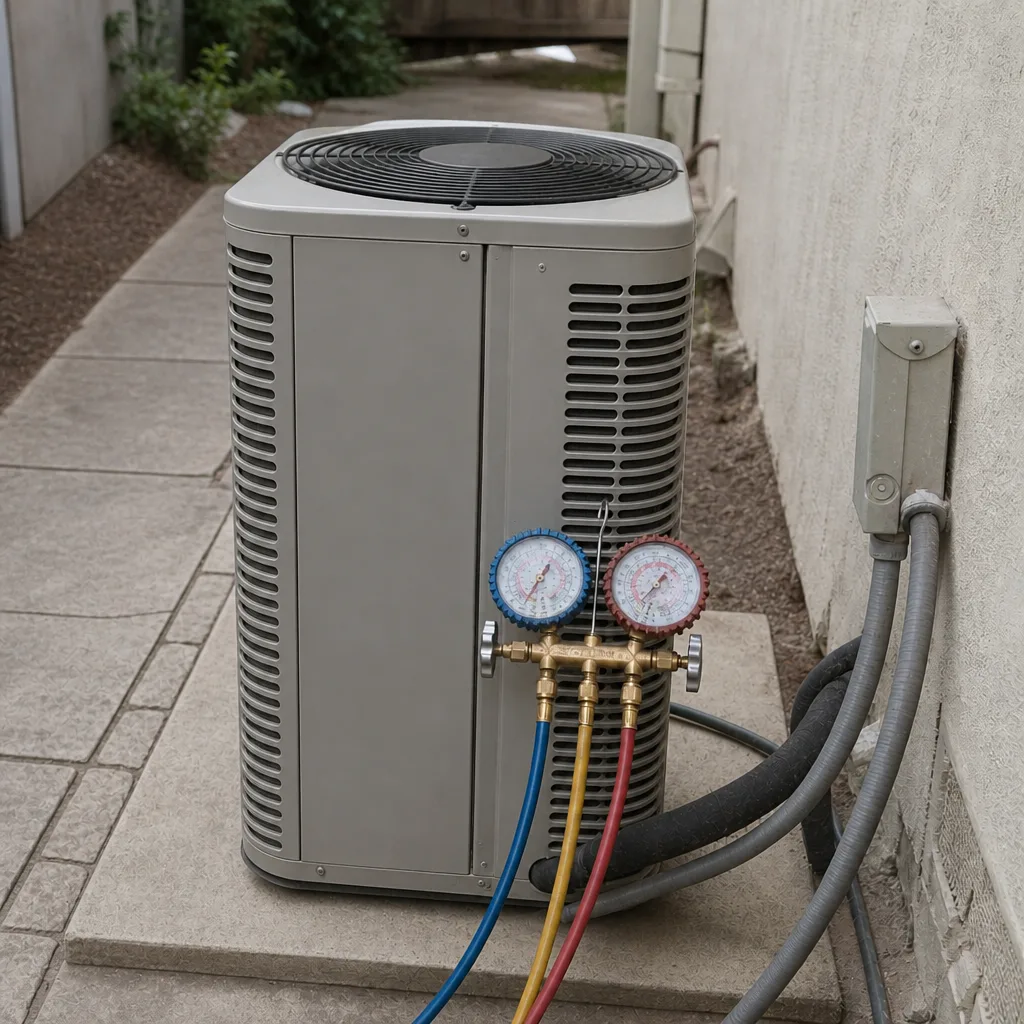
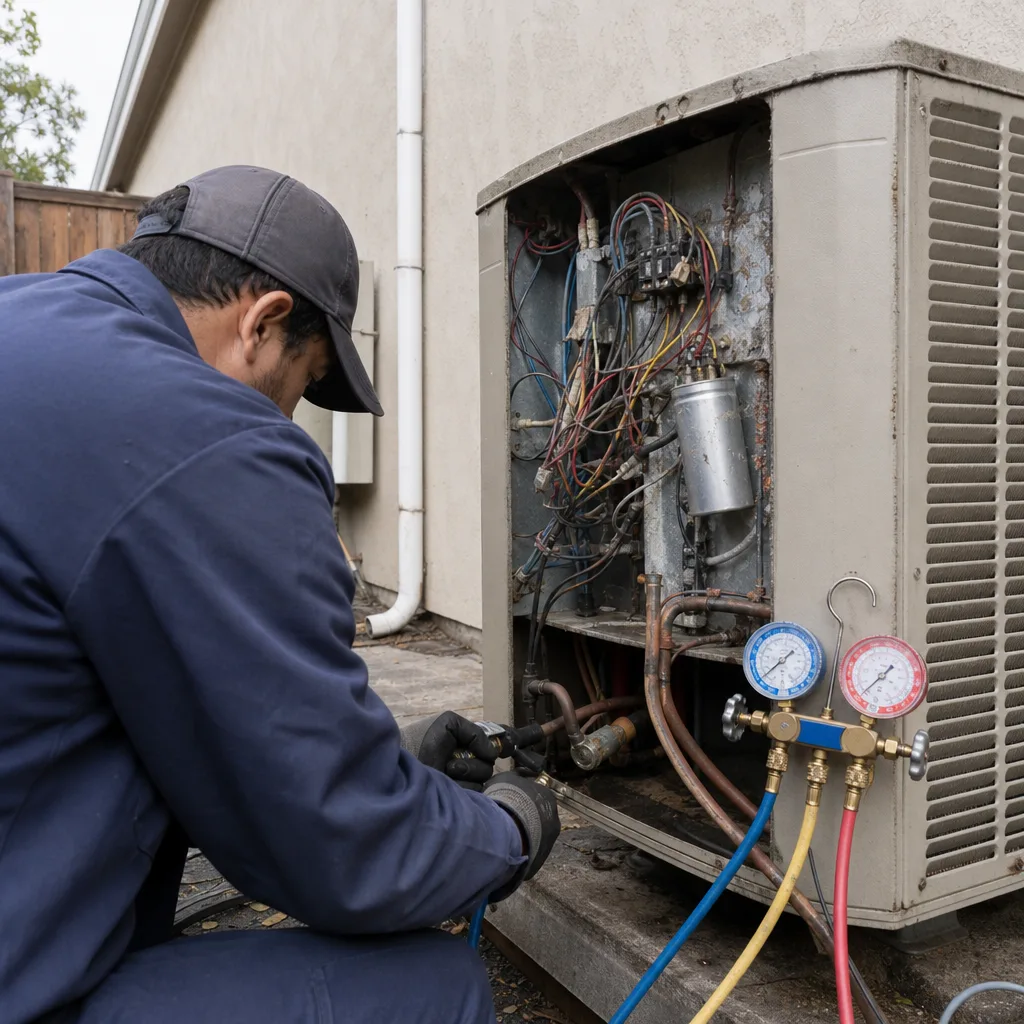
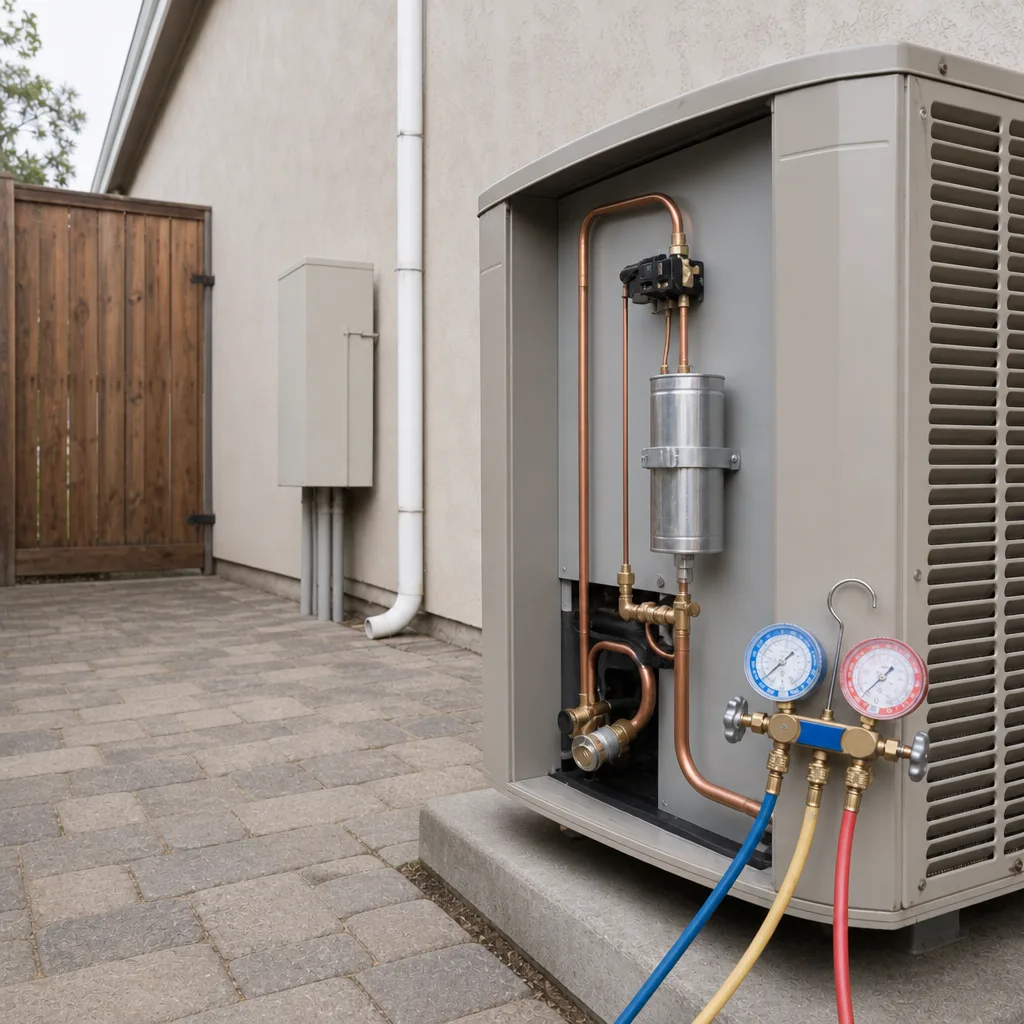
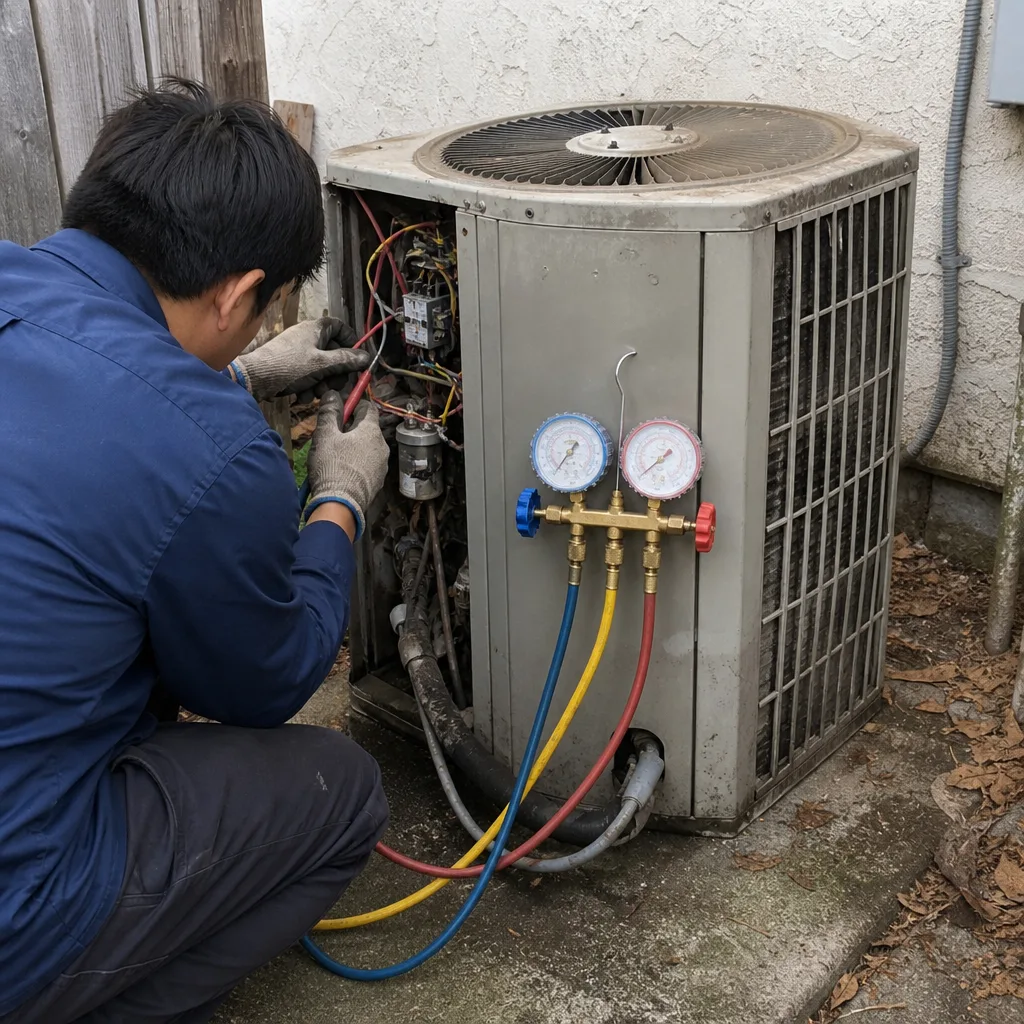
See the difference
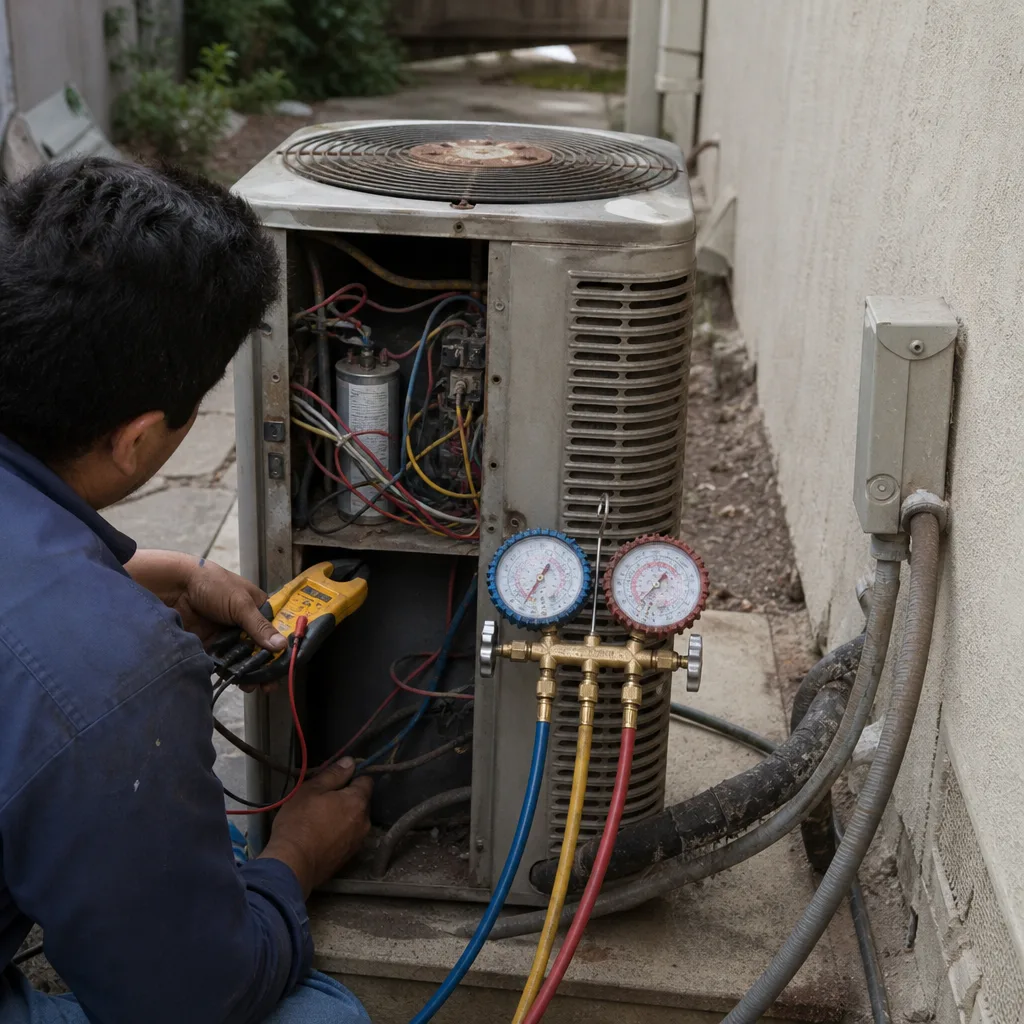 Before
 After
 Before
 After
 Before
 After
When to Call a Professional
You should call a professional when you’re at a decision point that involves diagnosing the equipment. That includes a system that won’t cool, a system that won’t heat, a unit short-cycling, a compressor that’s making unusual noise, or a system that’s tripped a breaker more than once. On the furnace side, any smell of gas, sooting around the burners, or a burner that won’t stay lit is a stop-and-call situation. Any repair on older equipment where you’ve been quoted more than once for a component failure is worth a second opinion before you commit to a replacement. AC Repair Santa Clara offers free estimates in Santa Clara – call (833) 439-0749. We answer 24/7, with fast dispatch from 7am to 7pm, Sunday through Friday.
Frequently Asked Questions
There is no single best HVAC brand in Santa Clara. The right brand is the one a competent contractor can correctly size for your home, install well, and get parts for quickly. For most homeowners, the more useful question is which model series within a brand tier fits the budget and performance you actually need.
Carrier and Bryant share the same corporate parent and overlap significantly in engineering, components, and warranty structure. They are commonly sold through different dealer tiers at different price points. Similar build doesn’t mean identical support or price, but the equipment often has more in common than the badge suggests.
Yes, brand affects repair speed more than brand affects long-term reliability. Common brands in Santa Clara – Carrier, Trane, Lennox, Goodman, Rheem, York, Daikin, Bryant, and American Standard – typically have parts available locally, while niche or dealer-restricted brands can mean waiting on a specialist part. A brand with easy parts access and a technician who knows your model usually wins on time-to-repair.
Longer isn’t automatically better. What matters is whether the warranty requires registration, whether it’s tied to a dealer or certified installer, and what gets excluded. A shorter warranty through a contractor who registers the unit and installs it correctly is often more useful than a longer one where any paperwork step voids coverage. Ask your contractor to confirm the terms in writing.
Not unless your current system is at end of life or has a major component failure. If your system is otherwise serviceable and the problem is a single part, repair is usually the better path regardless of brand. A good diagnostic first tells you whether you’re looking at a repair or a replacement decision.
Yes, and it’s common. Many Santa Clara homes have an AC from one brand and a furnace from another. A contractor who works on both cooling and heating systems – which are interconnected – can resolve both from a single visit. One call covers both your AC and furnace, and no handoff to a second contractor is needed.
The Bottom Line
Brand choice in HVAC is real but smaller than the marketing suggests. In Santa Clara, the differences that actually matter come down to three things: parts availability for your market, technician familiarity with your specific model, and warranty terms you can actually verify. Sizing and installation quality outperform brand prestige every time. The right contractor will walk you through model series, explain why a brand fits your home specifically, and quote repair alongside replacement. When you’re ready to make a decision, choose a team that works on your brand and can explain the tradeoffs plainly. AC Repair Santa Clara works on nine major residential HVAC brands and handles repair, replacement, and furnace service as one team. For a free estimate, call (833) 439-0749. We answer 24/7, with fast dispatch from 7am to 7pm, Sunday through Friday. To start at the parent service page, visit AC repair in Santa Clara.
Written by the team at AC Repair Santa Clara.