
Last updated November 14, 2026
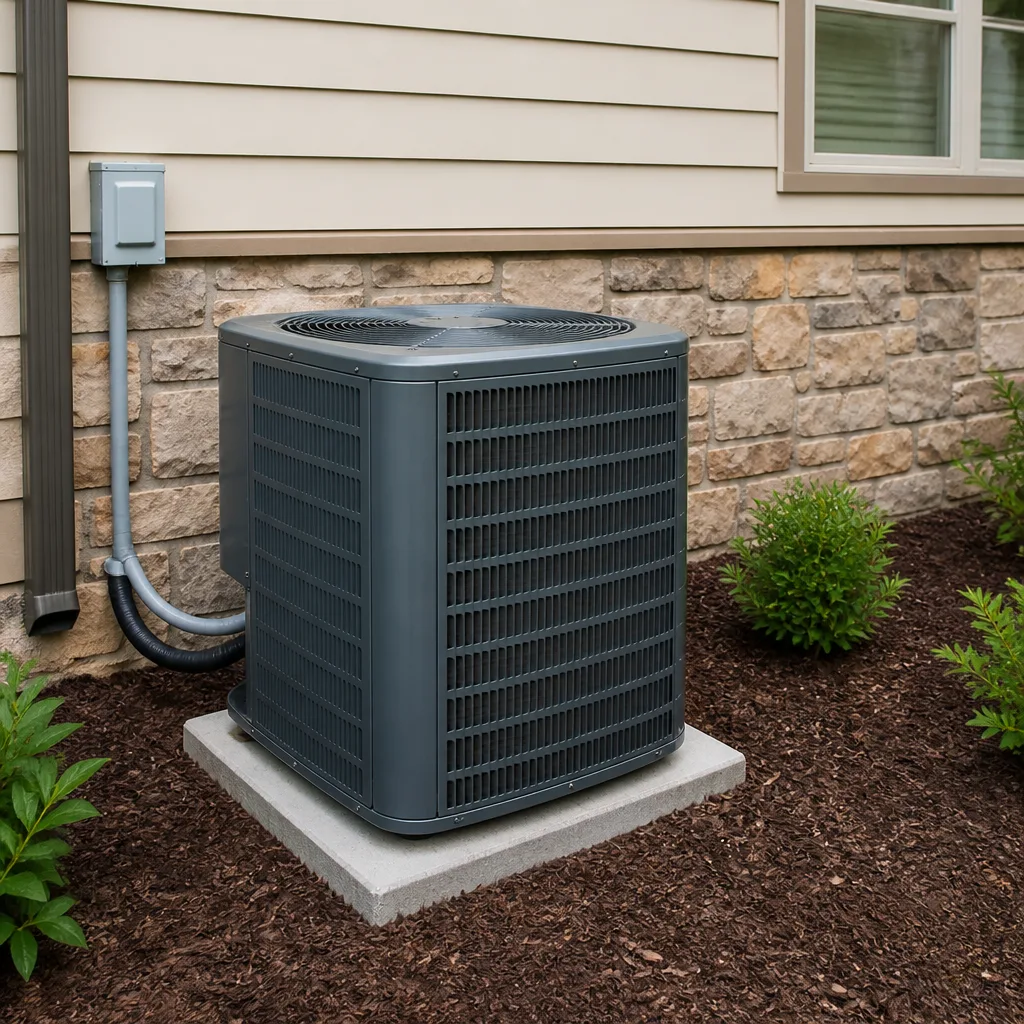 AC repair
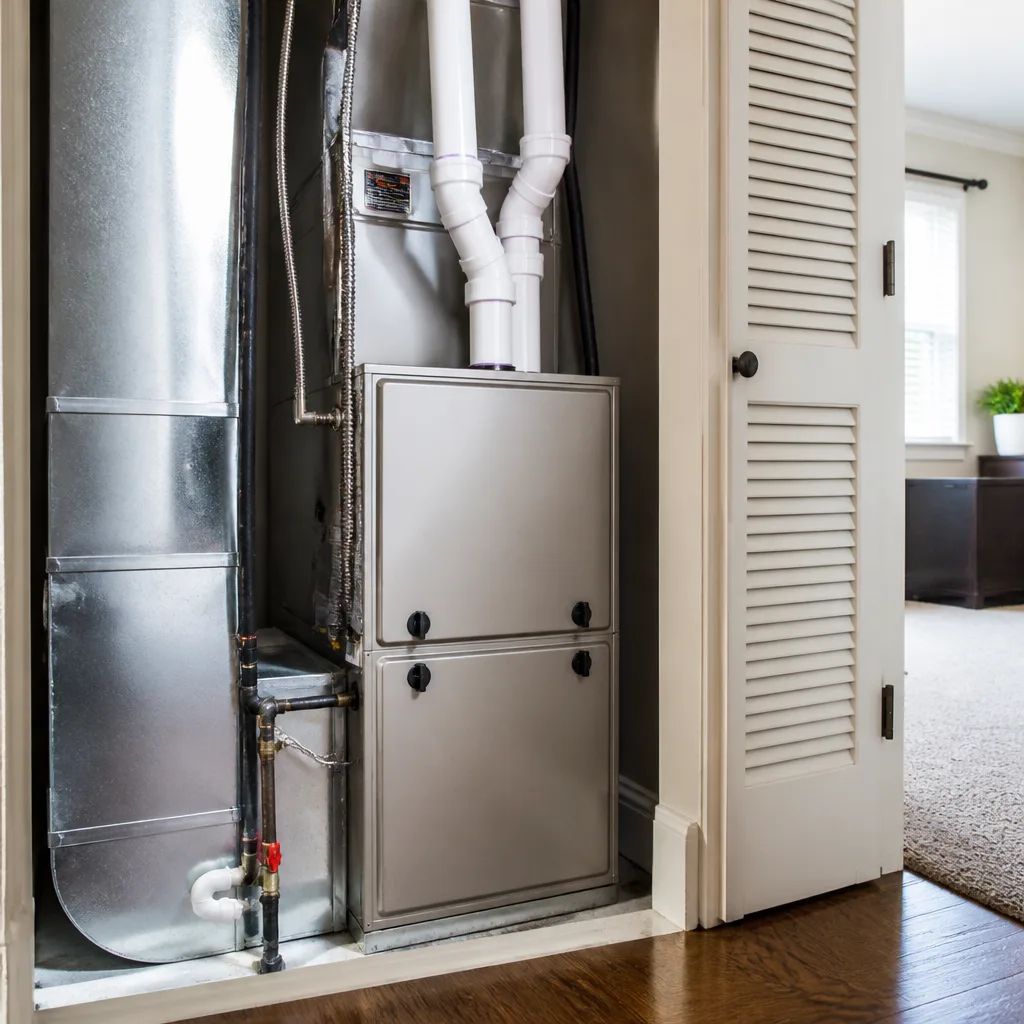 Furnace & heating
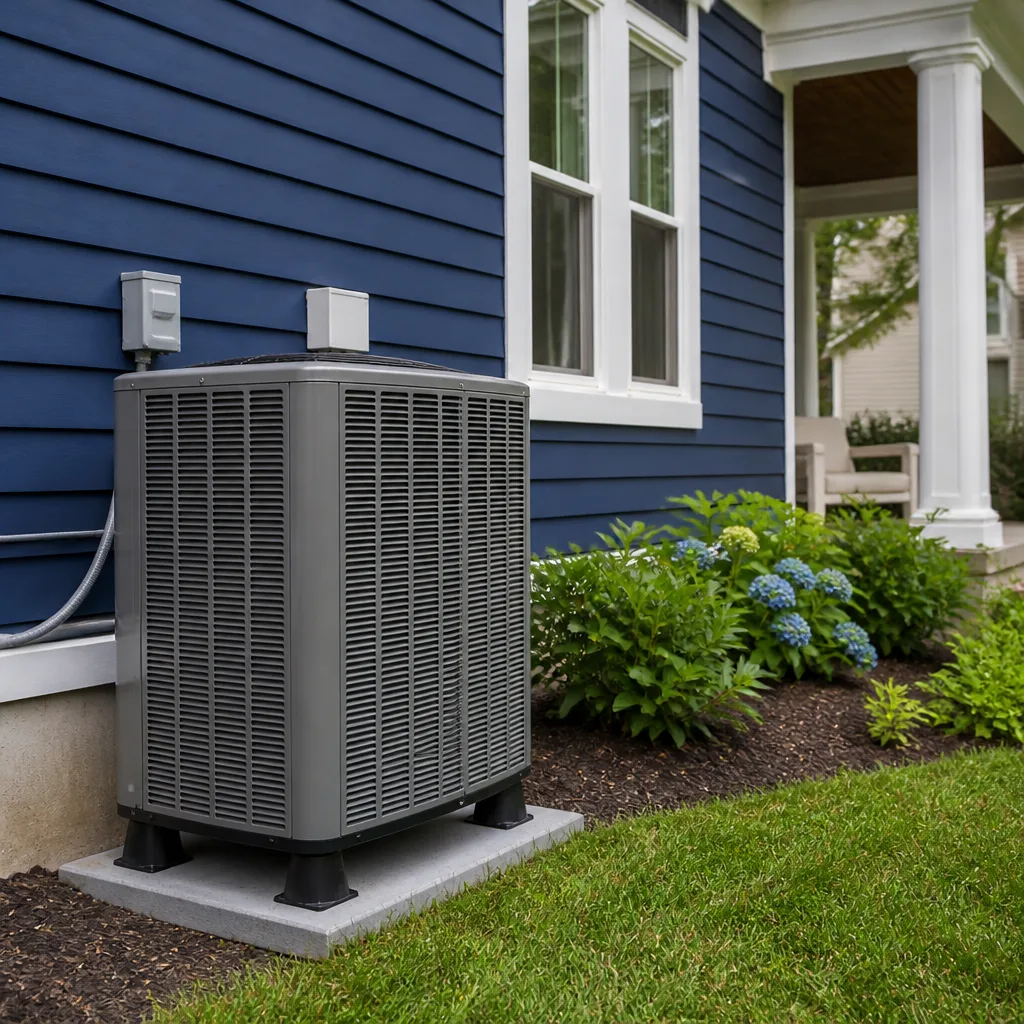 Heat pumps
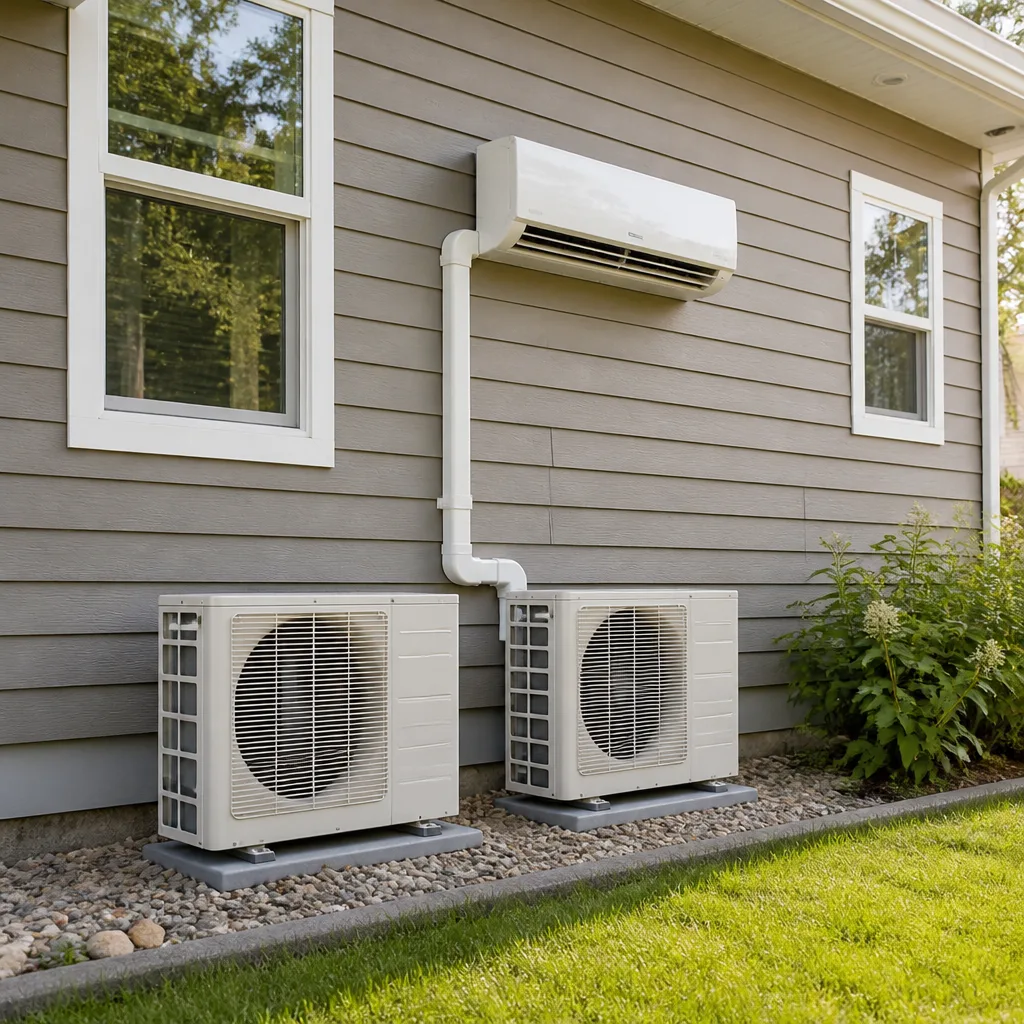 Ductless mini splits
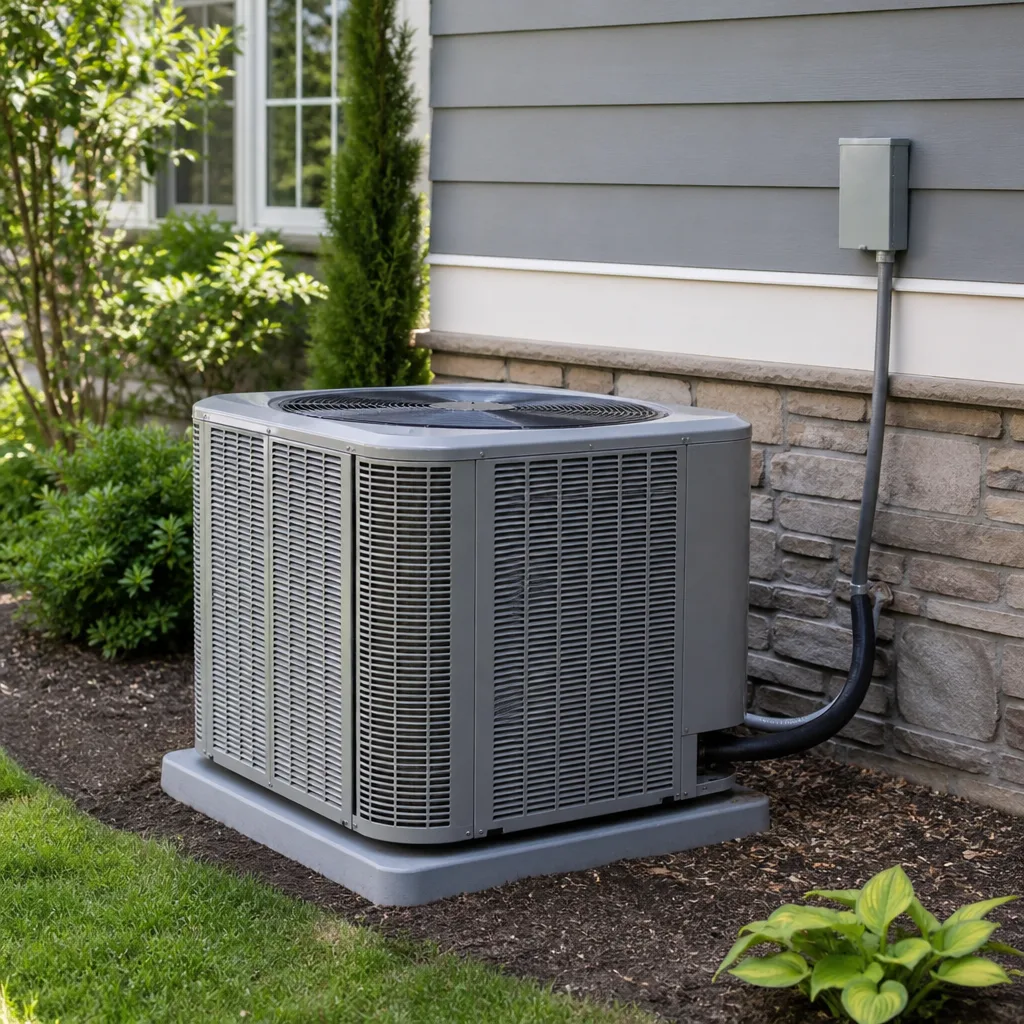 Carrier
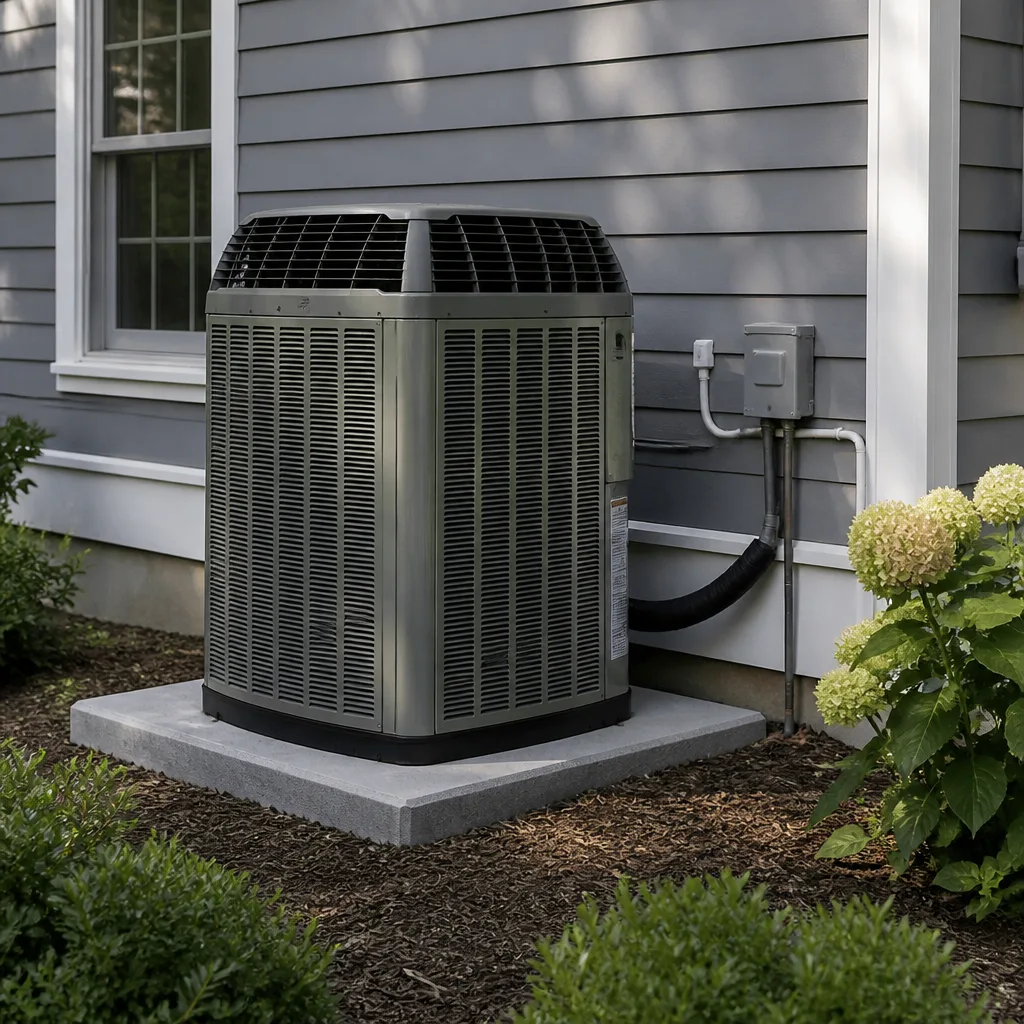 Trane
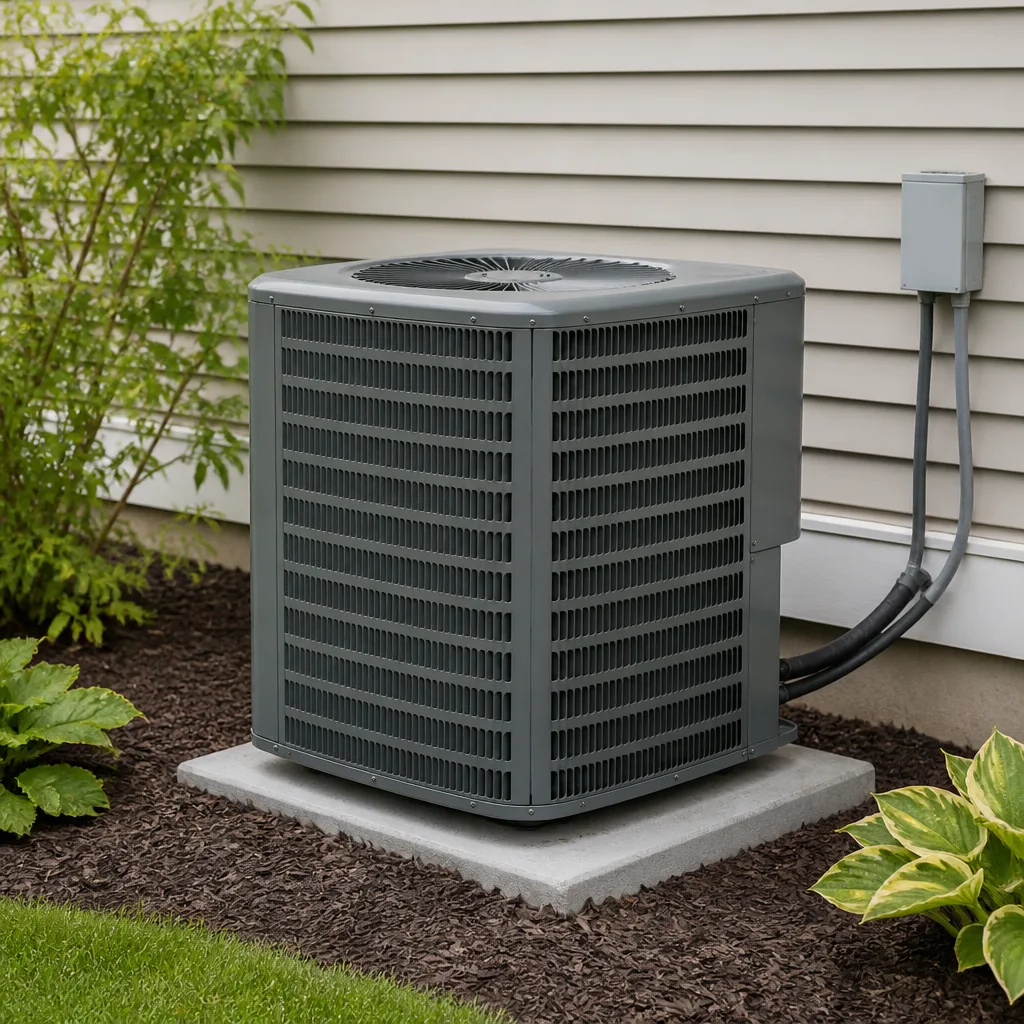 Goodman
Seasonal tune-up and full diagnostic on your Carrier, Trane, or Goodman system - readings shown to you before any repair is proposed
Diagnosis first, numbers second - you approve the repair price before a single part goes in.
Get your free estimateAC Repair Troubleshooting in Santa Clara: Common Problems and How to Fix Them
The most expensive AC repair mistake isn’t calling too late. It’s calling with a misdiagnosis you picked up from a video that sent the technician straight to the wrong component. We’ve watched homeowners replace a capacitor that tested fine while the real problem sat in a clogged filter three feet away. On a warm afternoon in Santa Clara, that kind of detour costs you a second visit and a second bill. This guide walks through the actual diagnostic sequence technicians follow, from thermostat to airflow to electrical to refrigerant, so you can narrow the problem before anyone knocks on your door.
Quick Answer
Most no-cool calls in Santa Clara trace back to five checkable causes: a tripped breaker, a clogged filter, a thermostat set wrong or miswired, a condensate float switch that shut the system down, or a frozen evaporator coil from restricted airflow. If those come up clean and the system still won’t cool, the fault is usually electrical or refrigerant-related, which requires a licensed technician. Working through the steps below in order tells you which category you’re in, and it gives the dispatcher the details needed to send the right parts on the first trip.
Styles & brands we work with
- AC repair
- Furnace & heating
- Heat pumps
- Ductless mini splits
- Carrier
- Trane
- Goodman
Table of Contents
- The Diagnostic Sequence That Saves You a Second Service Call
- Symptoms That Look Identical and Aren’t
- What You Can Safely Reset or Replace Yourself
- Reading Your Thermostat’s Error Codes
- Five Troubleshooting Steps That Eliminate Most No-Cool Calls
- Why Santa Clara’s Climate Wears AC Systems Differently
- Common Mistakes to Avoid
- When to Call a Professional
The Diagnostic Sequence That Saves You a Second Service Call
Technicians don’t troubleshoot by symptom alone. They work in a fixed order, and that order exists for a reason: each step rules out a cause that would make the next step’s reading meaningless. A technician who checks refrigerant pressure on a system with a choked filter reads a false low charge and may add refrigerant that wasn’t needed. That’s not incompetence so much as skipped sequence.
The order runs like this:
- Thermostat and low-voltage wiring. Confirm the thermostat is calling for cool and the wires at the subbase are tight. Loose R or Y wires are common and mimic a dead system.
- Power supply. Check the breaker at the panel and the disconnect box near the outdoor unit. A tripped breaker doesn’t reset itself and won’t announce why it tripped.
- Airflow. Inspect the filter, the return grille, and the evaporator coil. Restricted airflow lowers capacity and can freeze the coil.
- Safety switches. Confirm the condensate float switch hasn’t tripped and the drain line is clear.
- Electrical components indoors and out. Test the contactor, capacitor, and blower motor. These are the parts most likely to fail on an older system.
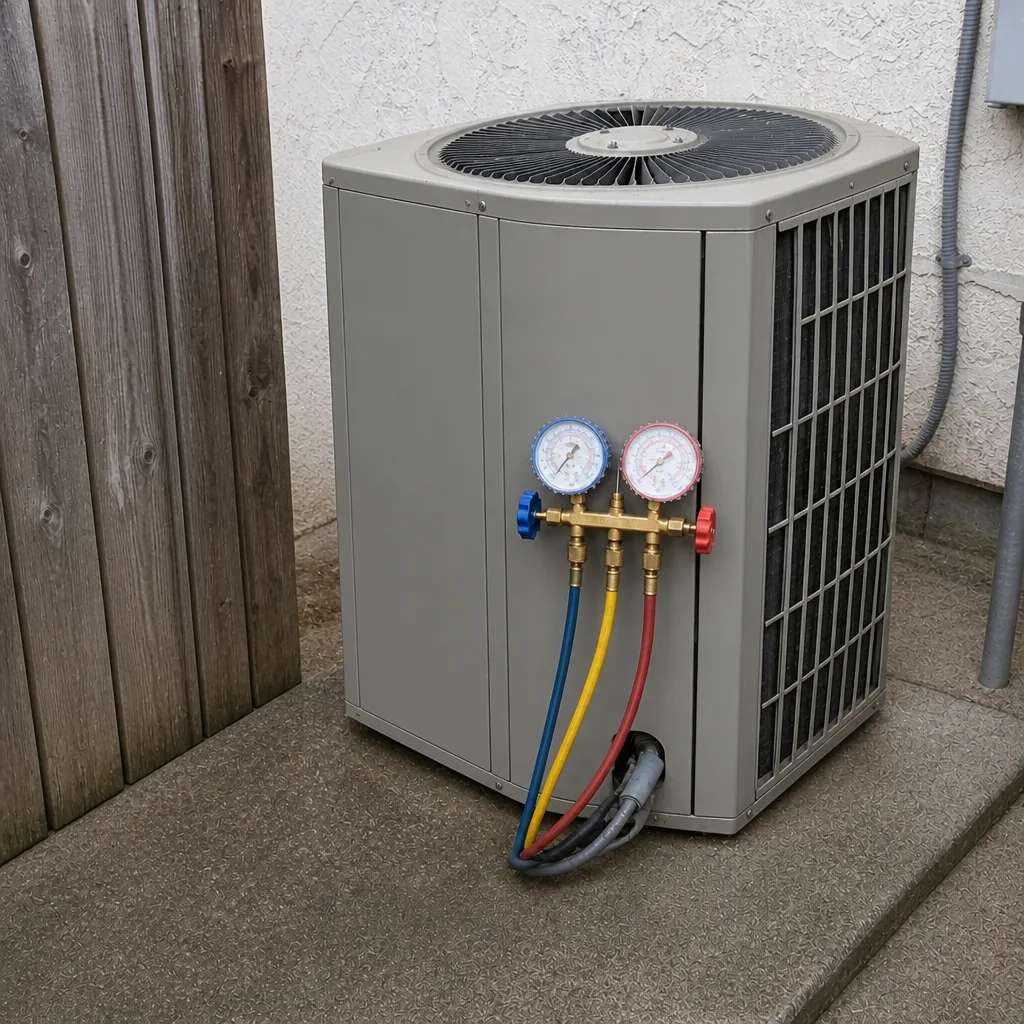
- Refrigerant circuit. Only after the first five check out do pressures and superheat tell you anything reliable.
In Santa Clara, this order matters more than in most places because our cooling season runs long. A system that limped through July on low airflow gets pushed hard again in September, and the weak link surfaces twice in one year. If you work the sequence from the top, you catch the cheap cause before it becomes the expensive one. It’s also the fastest route to knowing whether you’re facing a quick AC repair or a conversation about replacement.
Symptoms That Look Identical and Aren’t
The hardest part of troubleshooting is that identical symptoms point to different components. Short-cycling is the classic case. A system that starts, runs a few minutes, and shuts off can mean three very different things, and you can’t tell which without the right readings.
- Low refrigerant charge. The compressor works harder, heats up, and trips its internal overload. If the system short-cycles and the indoor coil ices up, low charge is a strong candidate. That’s a leak to find and repair, not a top-off to shrug past.
- Oversized equipment. A unit too large for the home cools the air fast and satisfies the thermostat before it dehumidifies. The cycle is short from day one, not from a new failure. If your system has always behaved this way, sizing is the likely explanation, and it’s worth discussing with whoever installed it or with the team at AC installation if replacement is on the table.
- A failing thermostatic expansion valve, or TXV. The TXV meters refrigerant into the evaporator coil. When it sticks, pressures swing, the compressor loads unevenly, and the system cycles erratically. This one rarely announces itself with a clean symptom. A technician diagnoses it with pressures and superheat readings, not guesswork.
Other look-alikes to file away: a warm vent can mean low refrigerant, a duct leak, or a blower issue. Ice on the line set can mean a dirty coil or a charge problem. Water on the floor near the air handler can mean a blocked condensate line or a cracked drain pan. Each pair shares a symptom and parts ways at diagnosis. That’s why “it’s short-cycling” is a symptom, not a diagnosis, and why a technician arrives with the sequence in mind rather than a single suspect.
What You Can Safely Reset or Replace Yourself
Some fixes are genuinely homeowner territory. Others are not, and the line isn’t about difficulty. It’s about risk and, in the case of refrigerant, federal law. Refrigerant handling requires EPA Section 608 certification, so any charge work belongs in a technician’s hands. The electrical inside the air handler is equally off-limits, because opening that cabinet exposes line voltage and a shutting-off breaker doesn’t always mean what it seems.
Here’s where the safe territory ends and the licensed territory begins:
- Safe: Resetting a tripped breaker at the panel. Replace the air filter, usually every one to three months depending on dust and pets. Reset a float switch by clearing the drain line and drying the pan. Recheck thermostat settings, batteries, and the schedule. Straighten a clogged return grille.
- Not safe: Adding or recovering refrigerant. Testing or replacing a capacitor, contactor, or blower motor inside the cabinet. Opening the electrical panel of the outdoor unit. Any work that requires bypassing a safety switch to test the system.
For Santa Clara homeowners in older neighborhoods near the city center, where homes were built before modern ductwork practices, the filter and return-air check alone catches more problems than you’d expect. In our experience, the single most common self-inflicted call is a homeowner who restored power without realizing the float switch is still tripped, then reported a “dead” system to the dispatcher. Clear the drain line, reset the switch, and give it ten minutes before you pick up the phone. It’s the kind of step a trained tech will ask about first anyway, and having it done saves time for both of you.
Reading Your Thermostat’s Error Codes
Before you call, read the screen. Modern thermostats post codes that point to a specific component, and they save a service call’s worth of guesswork. Santa Clara homes most often have Honeywell, Ecobee, or Nest thermostats, and each speaks slightly differently.
- Honeywell. Older battery-powered models may flash a low-battery indicator and drop off the wall plate’s wiring mid-call. A stepper-model Honeywell may show a “Wait” message when it’s cycling a damper. Modern Honeywell Home units often display a power-loss or blank screen, which usually points to an R-wire issue or missing C-wire.
- Ecobee. The screen shows distinctive icons rather than numeric codes. A crossed-out snowflake means the AC isn’t being called by schedule or system mode. A “no power” prompt typically means the C-wire connection has dropped and the unit is running on battery only.
- Nest. Nest reports a code such as E4 or E23 at the display. Each maps to a specific fault like a call failure or sensor error, and the app shows the interpretation. If the screen has gone dark, cycle the system’s power at the breaker for a minute before you check wiring.
The trick most homeowners miss is that a “dead” thermostat isn’t a thermostat problem until you’ve ruled out a tripped float switch, a tripped breaker, and a blown low-voltage fuse on the air handler control board. When a furnace or air handler trips a float switch, it cuts power to the thermostat too, and you’ll see a dark screen that makes you think the thermostat went bad. It didn’t. On brand-specific faults, our technicians have up to 11 years of experience and recognize the failure patterns on Lennox, Goodman, Rheem, and York equipment without having to look them up mid-diagnosis. If your system runs one of those brands, tell the dispatcher the model number on the data plate. It helps the team arrive with the right parts on hand.
Five Troubleshooting Steps That Eliminate Most No-Cool Calls
Before you dial, run these five steps in order. Each takes under five minutes, and collectively they clear most of what looks like an emergency. If nothing resolves, you’ll at least know exactly what to say when you call, which shortens time to repair.
- Check the thermostat and power. Confirm the mode is COOL, the set point is below room temperature, and the batteries aren’t dead. Then check the breaker at the panel and the outdoor disconnect. A breaker that trips immediately after reset means don’t reset it again; that’s a fault, not bad luck.
- Replace the filter. A clogged filter chokes airflow, lowers cooling capacity, and can freeze the evaporator coil. Coils that form ice stop cooling entirely. Swap the filter and give the system an hour to thaw if the coil was iced. If the coil ices again after thawing, it’s not the filter’s fault anymore.
- Clean the outdoor unit’s surroundings. Clear leaves, shrubs, and debris within two feet of the condenser coil. In Santa Clara, debris from surrounding trees accumulates here faster than most homeowners expect. A condenser that can’t reject heat can’t cool the house.
- Check the float switch and condensate line. Look for water in the drain pan. If there’s water, the switch likely tripped. Clear the drain line (a wet/dry vacuum on the outdoor end works well), dry the pan, and reset the switch. Many systems stay off until the switch resets automatically when the pan empties, some need a manual reset.
- Look for signs of a refrigerant problem without touching the refrigerant. Ice on the copper line set, ice on the indoor coil behind the filter, or a compressor that runs briefly and shuts off are signs of charge issues. Note what you see and stop there. Do not add refrigerant from a can. That’s EPA-regulated work, and a can won’t fix a leak.
When you do call, have these ready: the brand and model of the indoor and outdoor units, the thermostat make, the breaker status, the filter size, and the on-screen code. That’s less than two minutes of preparation and it saves considerably more than that on the other end. If the five steps clear the problem, you’re done. If not, you’ve eliminated the most common causes and pointed the technician toward the least common ones.
Why Santa Clara’s Climate Wears AC Systems Differently
Santa Clara has mild winters and a cooling season that stretches into October. That’s a blessing for homeowners and a challenge for the equipment, because a system that never gets a real off-season doesn’t dry out, and its moving parts don’t rest. Blower motors, contactors, and capacitors log more running hours here than in colder climates, and the first thing to wear is often a $20 capacitor that mimics a dead compressor.
The dust load matters too. Under the particular mix of pollen and street dust that settles on the South Bay, filters load faster during June through September. Change them on a schedule rather than an eyeball test. If you can’t see light through a held-up filter, it’s overdue. Homeowners in the older neighborhoods near downtown Santa Clara often still have undersized returns, which pull harder and clog faster.
Our local summer afternoons climb, but they rarely hit the extremes that strain equipment in the Central Valley. The failure pattern here is less about heat stress and more about continuous duty. A system that runs from April through October with no break will reveal its weak link. That’s a capacitor, a contactor, or a clogged filter. It’s rarely the compressor itself, which surprises a lot of homeowners who assume the worst after a hot afternoon. If you’re uncertain about the health of an older system, a technician can walk you through where it stands; it’s the easiest way to decide whether you’re looking at another repair season or an AC repair Santa Clara conversation that circles back to replacement.
Common Mistakes to Avoid
- Adding refrigerant before checking airflow. A dirty coil throws off pressure readings. Technicians who understand the sequence always start with airflow, and so should you.
- Replacing a capacitor on a hunch. The contactor and the capacitor both fail with the same symptom, a unit that buzzes but doesn’t start. Testing the contactor before replacing the capacitor saves money and time. Guessing replaces working parts while the real fault sits untouched.
- Bypassing the float switch to “test” the system. The float switch exists to stop water damage. Jumping it to see if the unit runs risks a soaked ceiling and a much bigger repair than the drain line fix.
- Calling with a diagnosis instead of a symptom. Telling a dispatcher “I need refrigerant” sends a tech with the wrong expectation. Telling them “the system is short-cycling and the indoor coil has ice on it” gets the right parts on the truck. Santa Clara homes on Honeywell and Ecobee thermostats benefit most here, since a code number says more than any verbal guess.
- Ignoring a drip. Water at the air handler in a Santa Clara home is almost never trivial. It means a drain pan, a condensate line, or a coil that’s freezing. Deal with it before it reaches the ceiling.
- Replacing the whole system over a repair that would have lasted years. Brand-agnostic diagnostics mean we look at whether a repair is the honest answer. Homeowners rarely ask that question early enough, and a technician who knows the equipment can tell the difference between a tired capacitor and a compressor that’s finished.
- Letting the filter go on autopilot. Set a reminder for every one to three months during the season. A cheap filter changed on time prevents the most common expensive-looking failure, the frozen coil.
When to Call a Professional
Call a professional when any of the following is true. The breaker trips again after resetting, which means stop and get help. The indoor coil is iced and thaws then ices again. The system short-cycles after filter changes. There’s water you can’t stop. The compressor hums and shuts off within seconds. Or the thermostat shows a fault code that doesn’t clear. Any of these point to electrical or refrigerant work that requires a licensed technician. In Santa Clara, the safest assumption is that the electrical cabinet and refrigerant circuit aren’t yours to open. AC Repair Santa Clara offers free estimates in Santa Clara; call (833) 439-0749. We answer 24/7. Fast dispatch from 7am to 7pm, Sunday through Friday. If you’re already thinking about whether a Santa Clara system is worth more repair or needs replacement, that’s the right conversation to have before the next heat wave.
See the difference
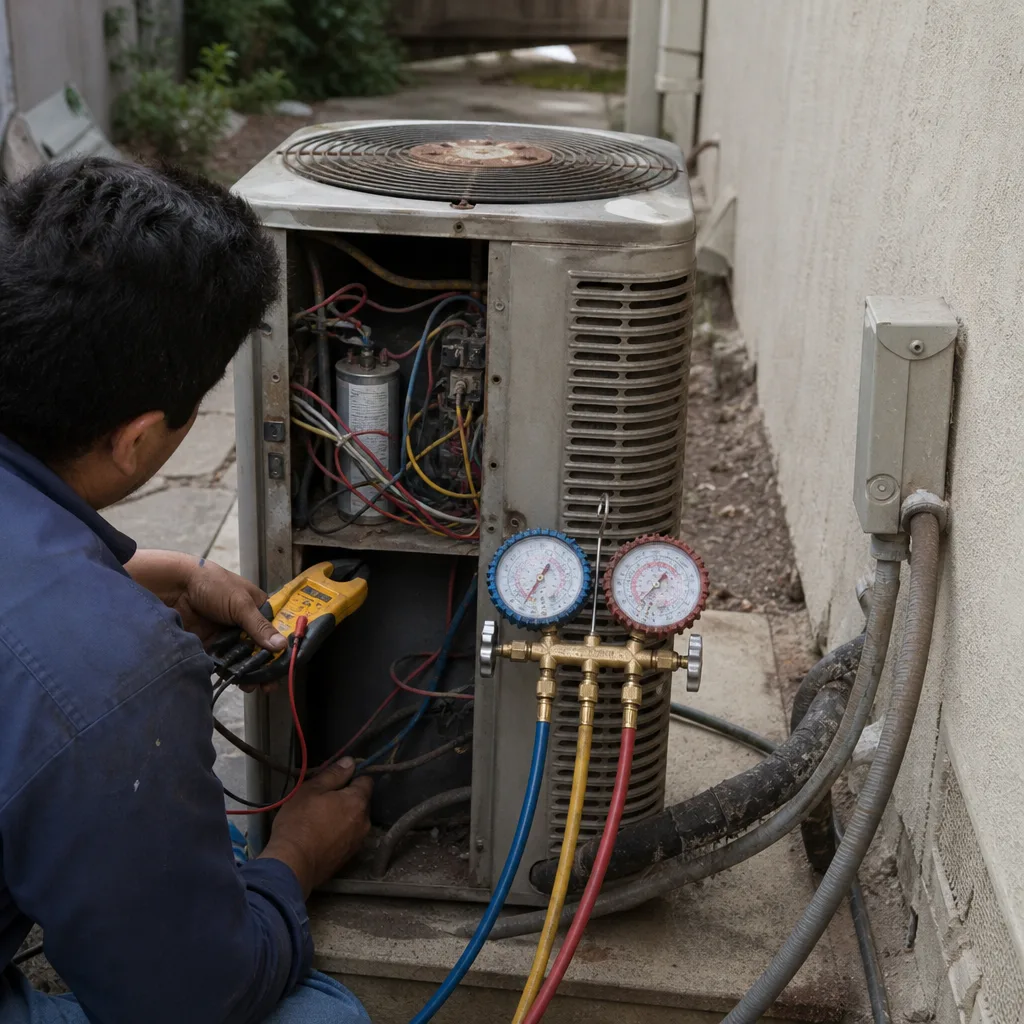 Before
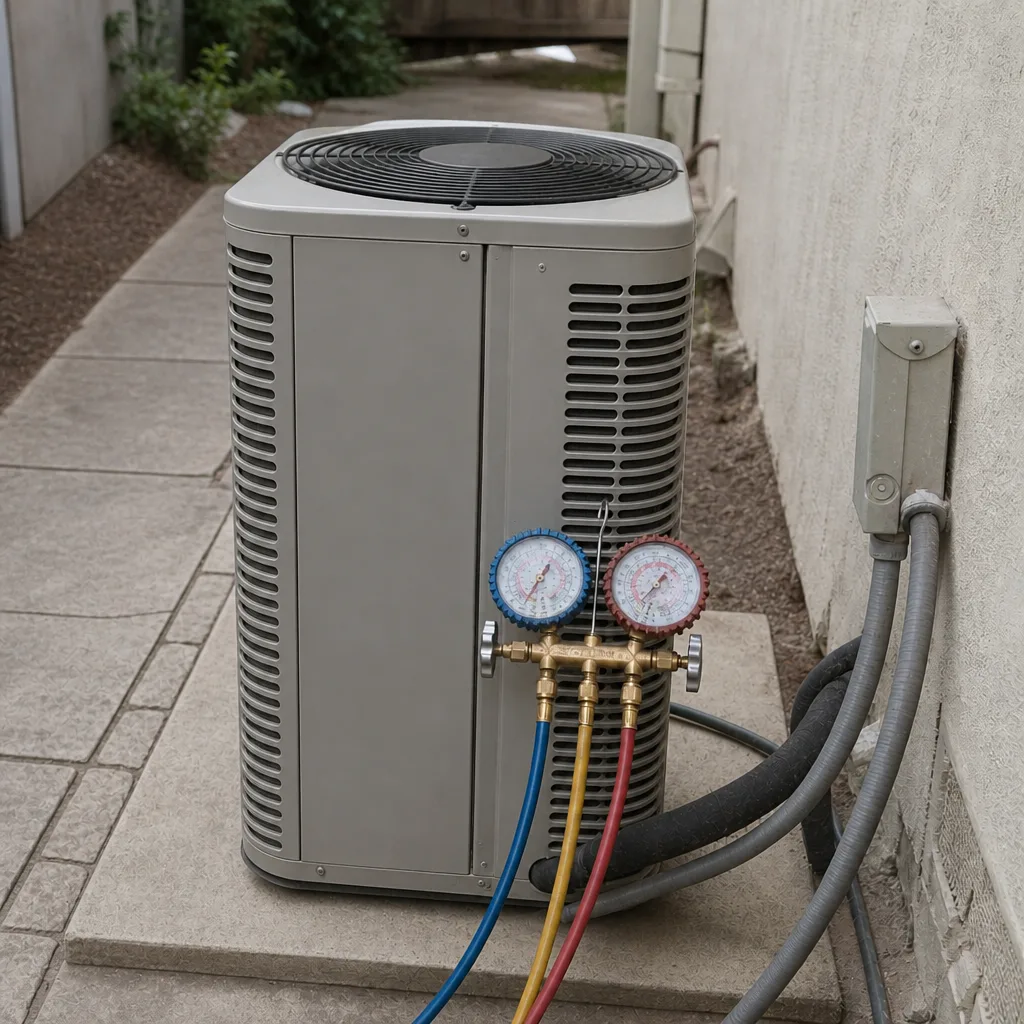 After
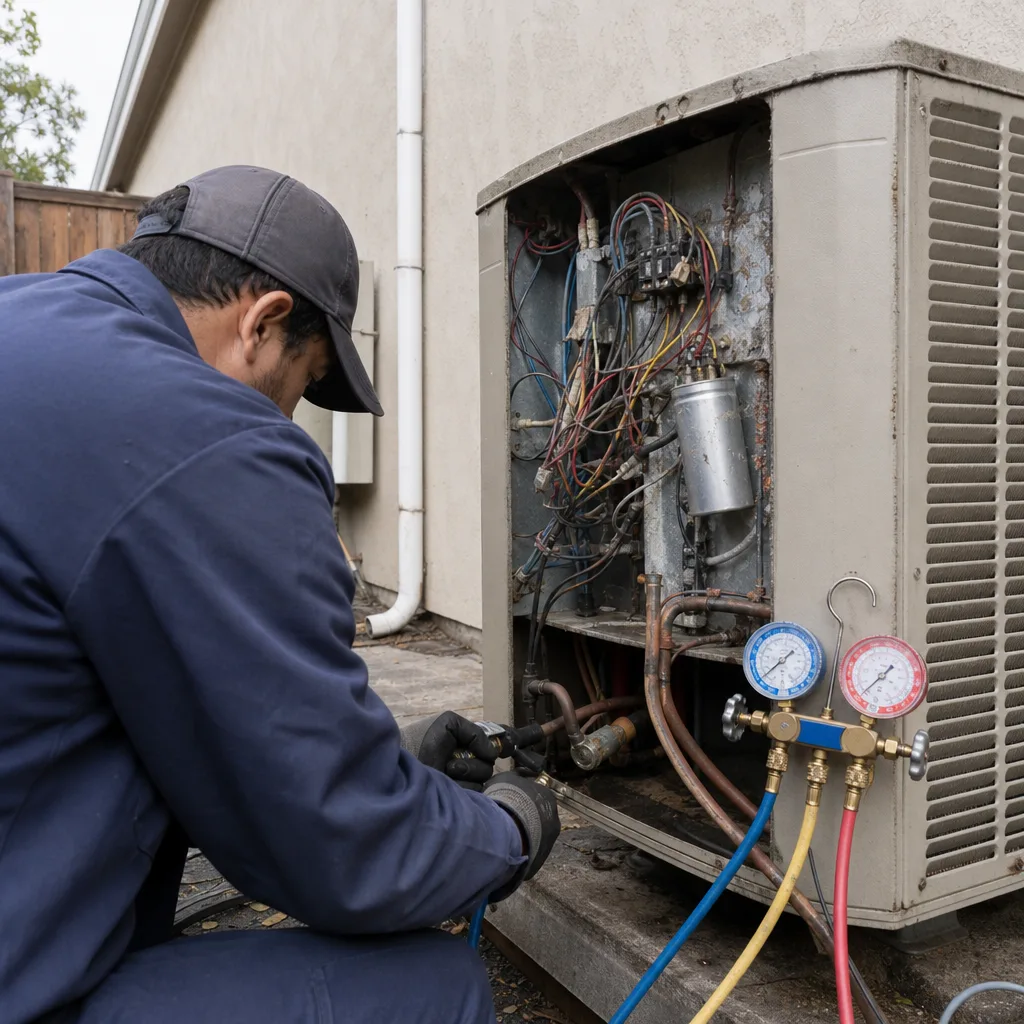 Before
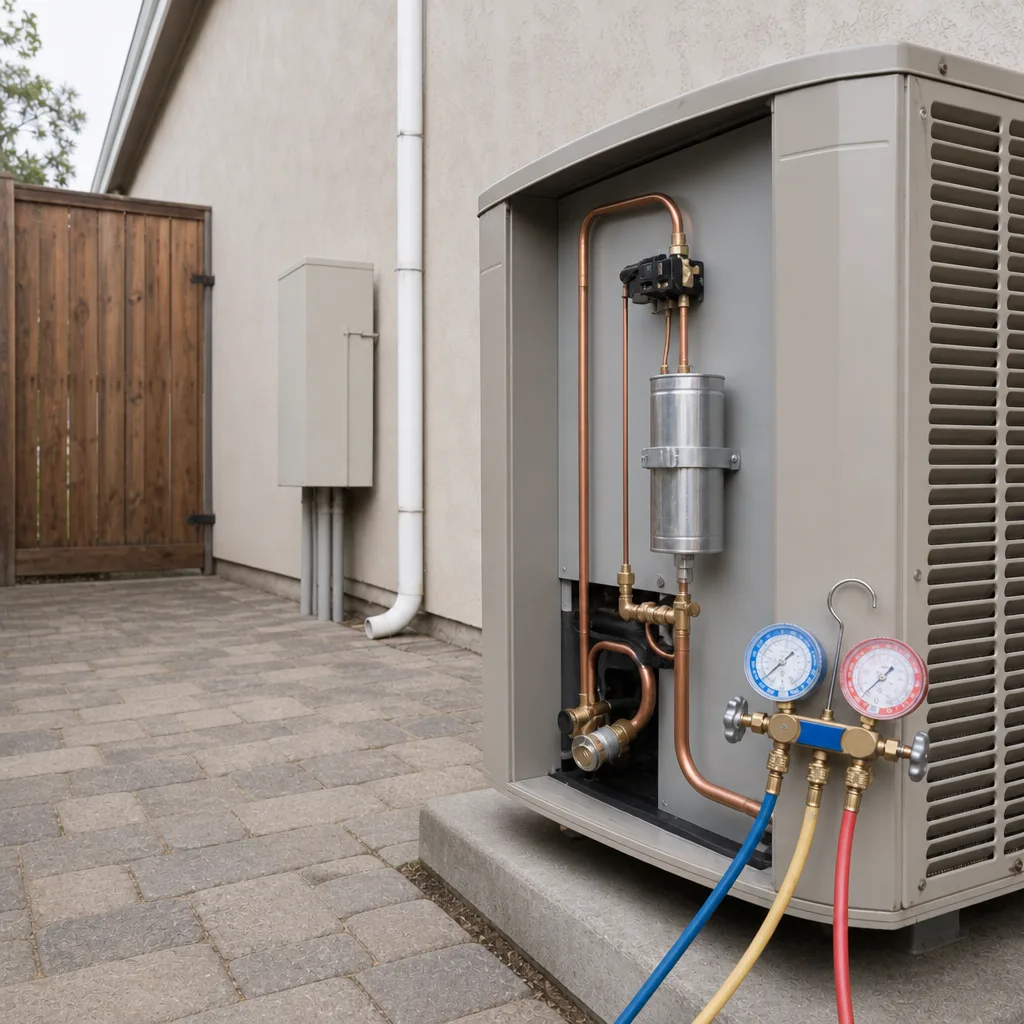 After
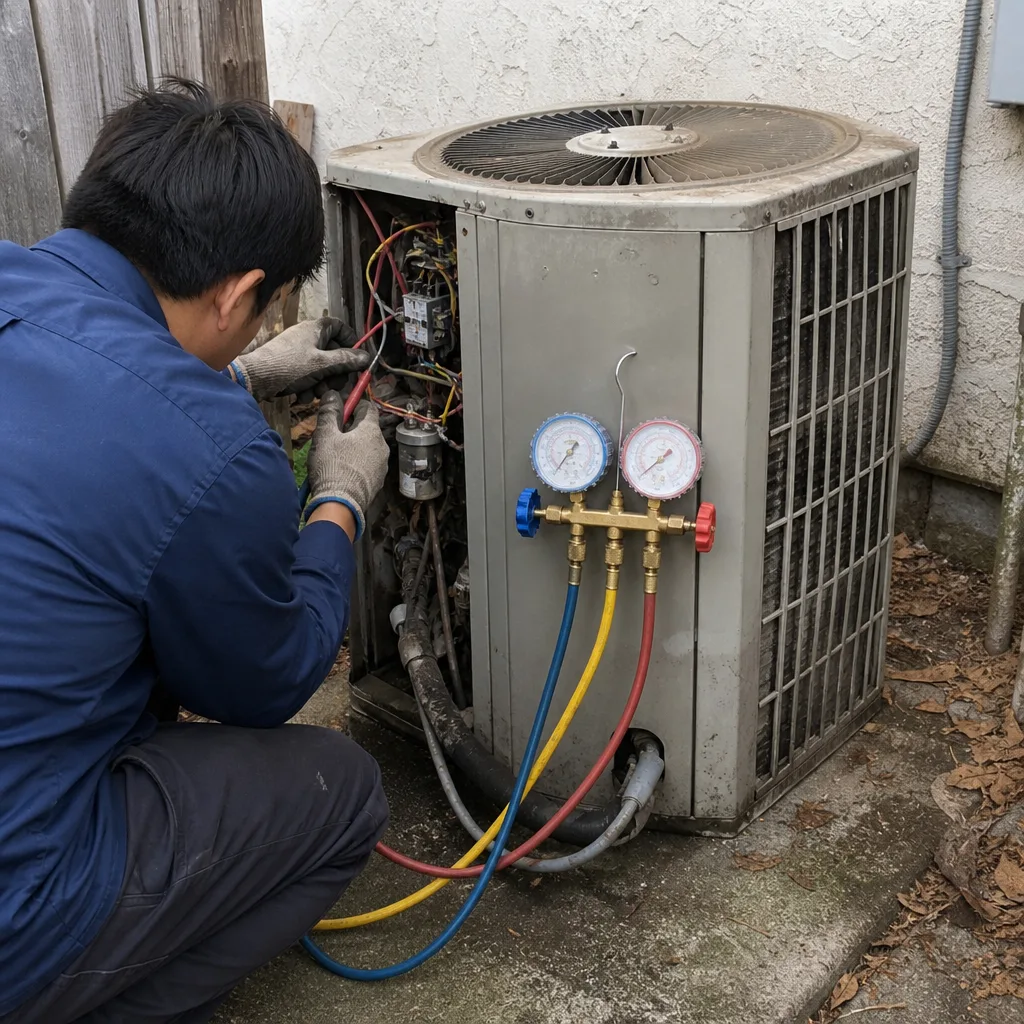 Before
 After
Frequently Asked Questions
Check the thermostat first, then the breaker and the air filter. The thermostat being in the wrong mode, set too high, or dead on batteries accounts for a large share of no-cool calls, and it costs nothing to rule out. If power, settings, and airflow all check out, move to the float switch. Call (833) 439-0749 for an exact quote if the problem persists; estimates are free.
No. Refrigerant handling requires EPA Section 608 certification, and adding refrigerant without finding the leak usually makes the problem worse and costs more to fix properly. The pressure readings that guide a charge adjustment are meaningless unless airflow, electrical, and the coil have already been checked. Call (833) 439-0749 if your system shows signs of a charge problem; estimates are free.
It could be either. Low refrigerant, an oversized unit, and a failing thermostatic expansion valve all cause short-cycling, and you can’t tell them apart without pressure and superheat readings. Two quick clues before you call: if it’s iced up as well, charge is the strong suspect; if it’s always short-cycled, sizing is the suspect. Call (833) 439-0749 to get a diagnosis on the equipment; estimates are free.
Each brand has its own code language, and the number on the screen points to a specific component. Honeywell typically shows a blank screen or wait message when there’s a low-voltage issue. Ecobee shows icons, not numbers, and a “no power” prompt usually means a lost C-wire connection. Nest displays codes like E4 or E23 that the app explains. Note the code exactly and mention it when you call (833) 439-0749; estimates are free.
Repair is usually the honest answer when the failing part is a capacitor, contactor, or blower motor and the compressor is sound. Replacement makes sense when the compressor has failed, the coil is leaking, or the repair bill approaches a large fraction of replacement cost. A brand-agnostic diagnosis tells you which side of that line you’re on. Call (833) 439-0749 to start the conversation; estimates are free.
We service nine of the most common residential brands, including Lennox, Goodman, Rheem, and York, and our technicians have up to 11 years of experience with them. Before the tech arrives, write down the outdoor and indoor unit model numbers, the thermostat make, the breaker status, and any code you saw on the screen. That turns a first visit into a repair visit rather than a diagnosis visit. Call (833) 439-0749 with the model in hand; estimates are free.
The Bottom Line
Troubleshooting an AC works in a fixed sequence for a reason. Thermostat and power first, then airflow, then safety switches, then electrical, then refrigerant last. Skipping ahead sends you and the technician to the wrong component, and that’s where the second service call comes from. The five-step check above clears most no-cool calls before anyone is dispatched. When the fault is electrical or refrigerant-related, the line belongs to a licensed tech. Knowing the difference, and knowing what to have ready when you call, is the whole point of the sequence. In Santa Clara, it also respects our long cooling season and the reality that moving parts wear faster here than you might expect.
Contact
If the steps above don’t clear the problem, call AC Repair Santa Clara at (833) 439-0749 for a free estimate. We answer 24/7. Fast dispatch from 7am to 7pm, Sunday through Friday, closed Saturday. We’re trained on nine of the most common residential HVAC brands, we work your brand rather than the one easiest to sell, and we focus only on heating and cooling. Repair first, replace only when it makes sense. One call covers both your AC and your furnace.
Written by the team at AC Repair Santa Clara.