
Last updated November 14, 2026
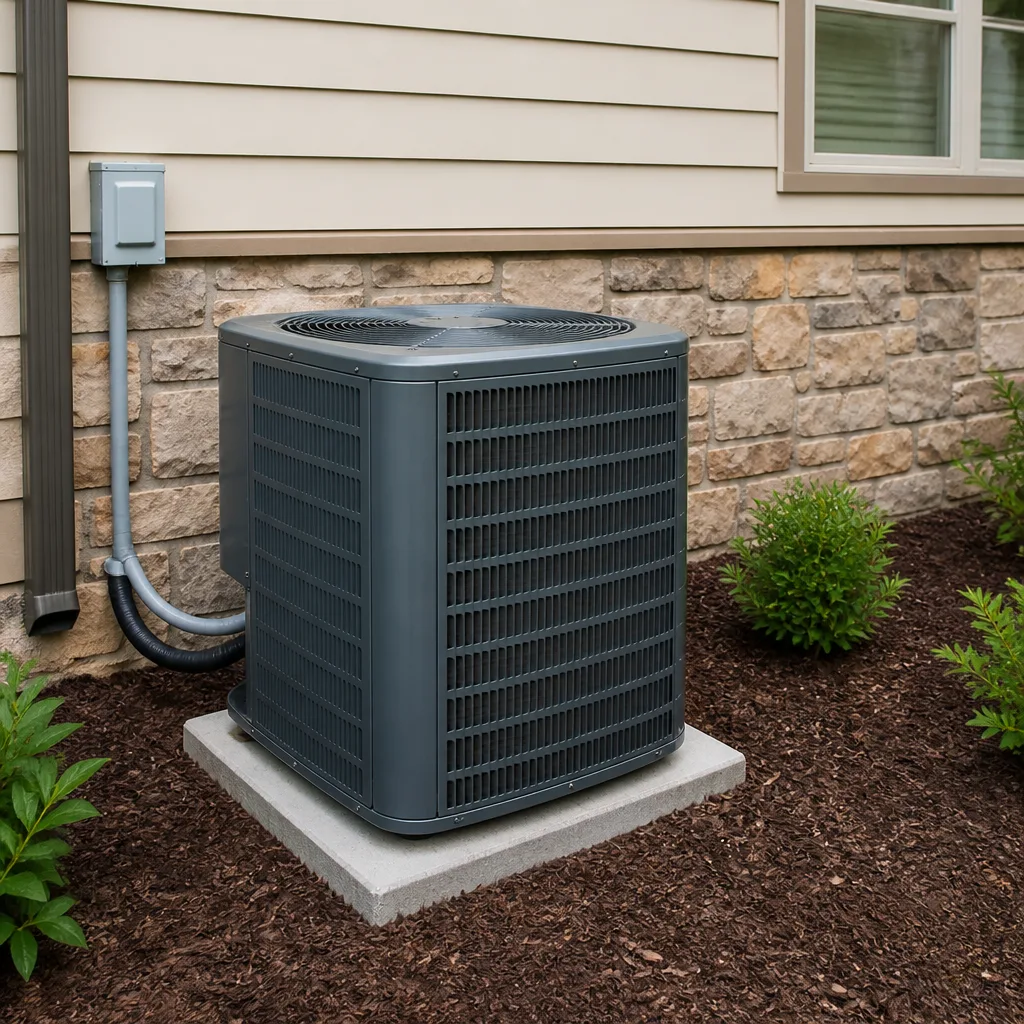 AC repair
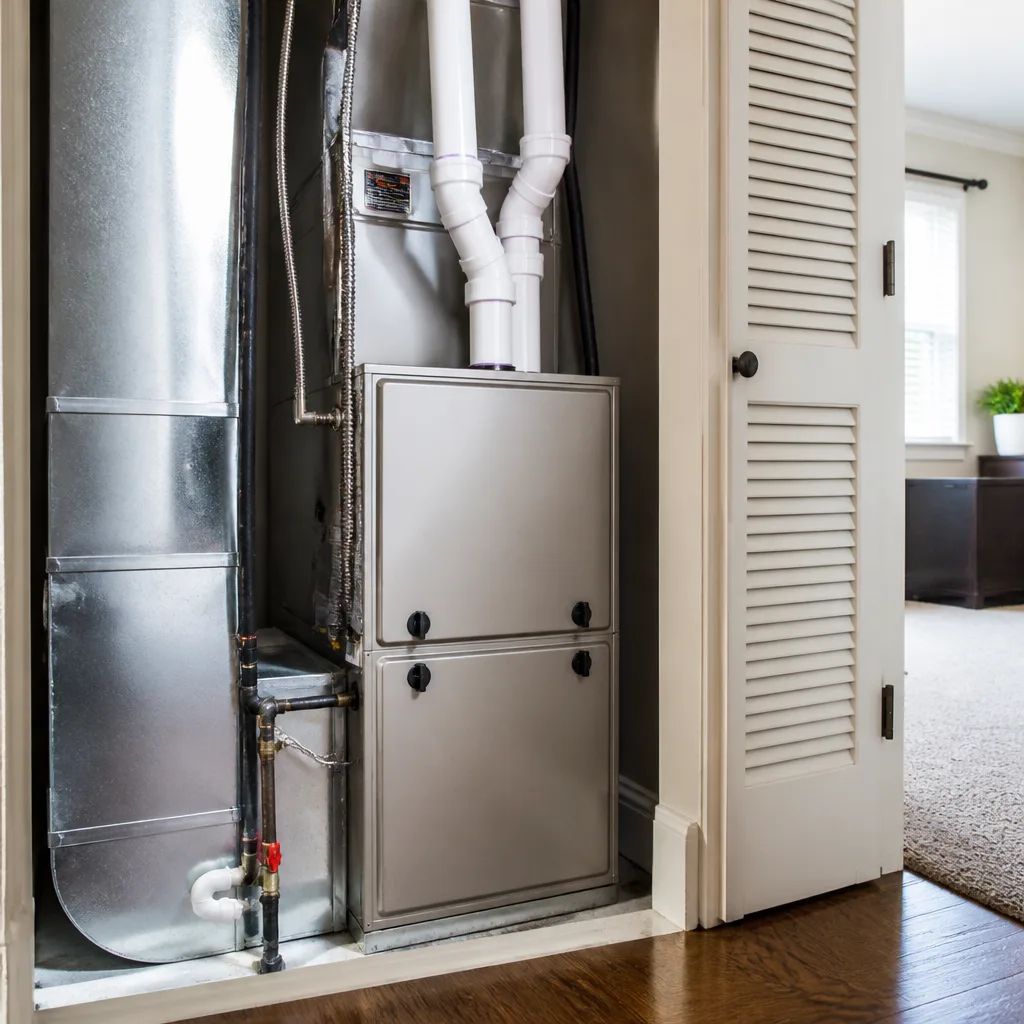 Furnace & heating
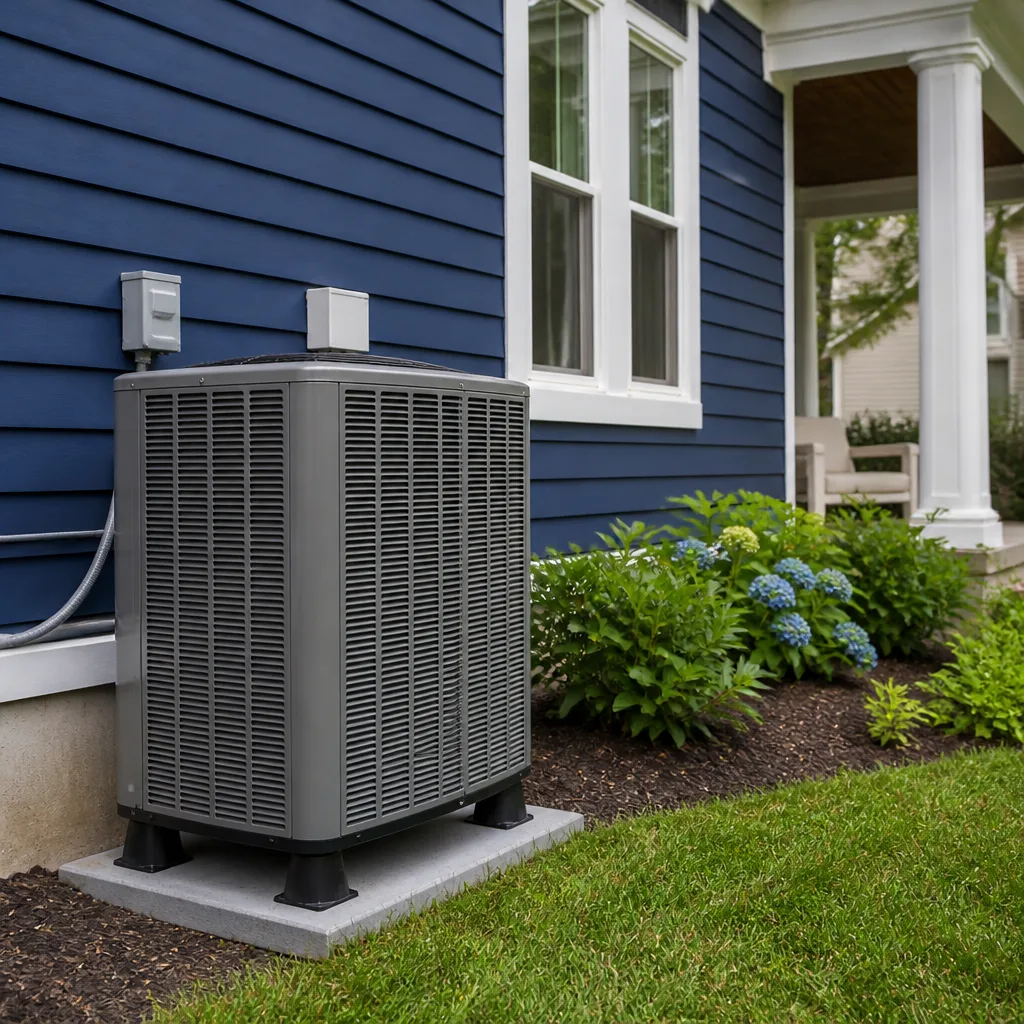 Heat pumps
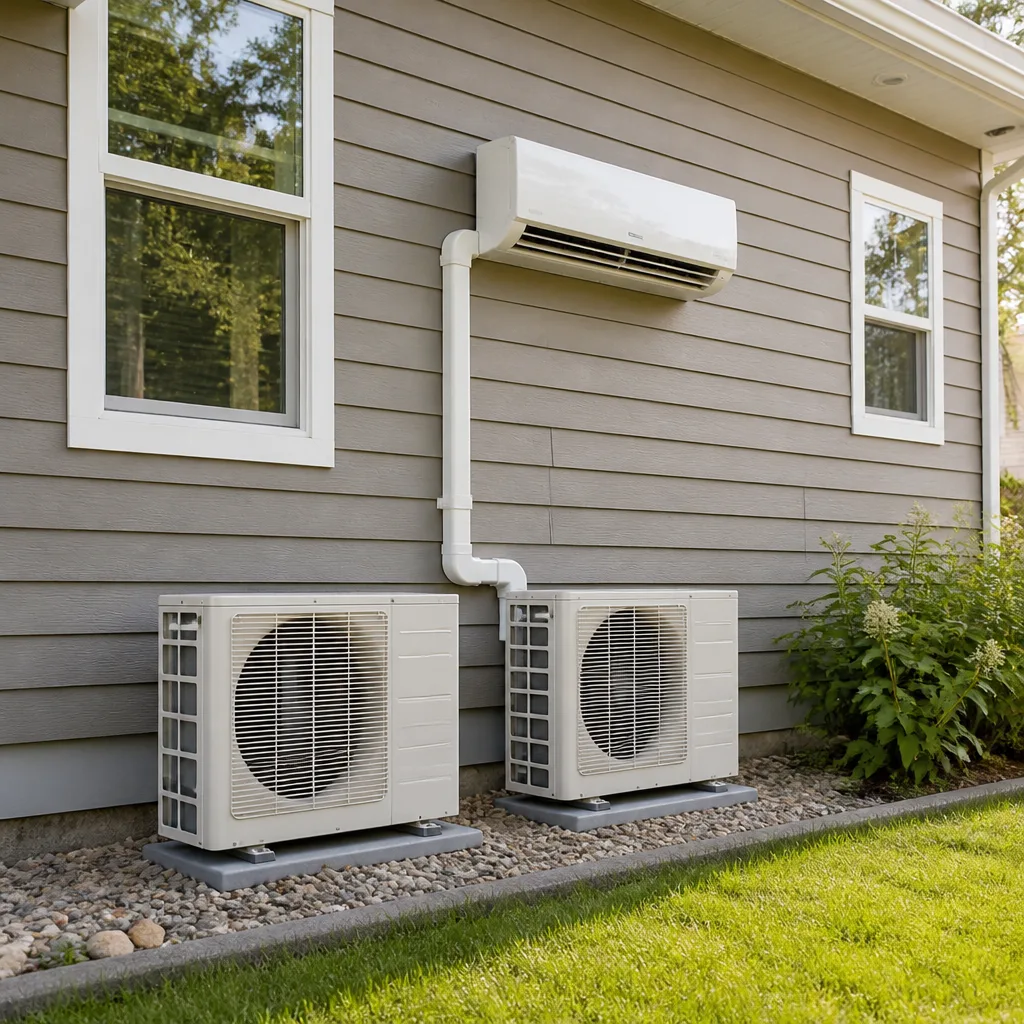 Ductless mini splits
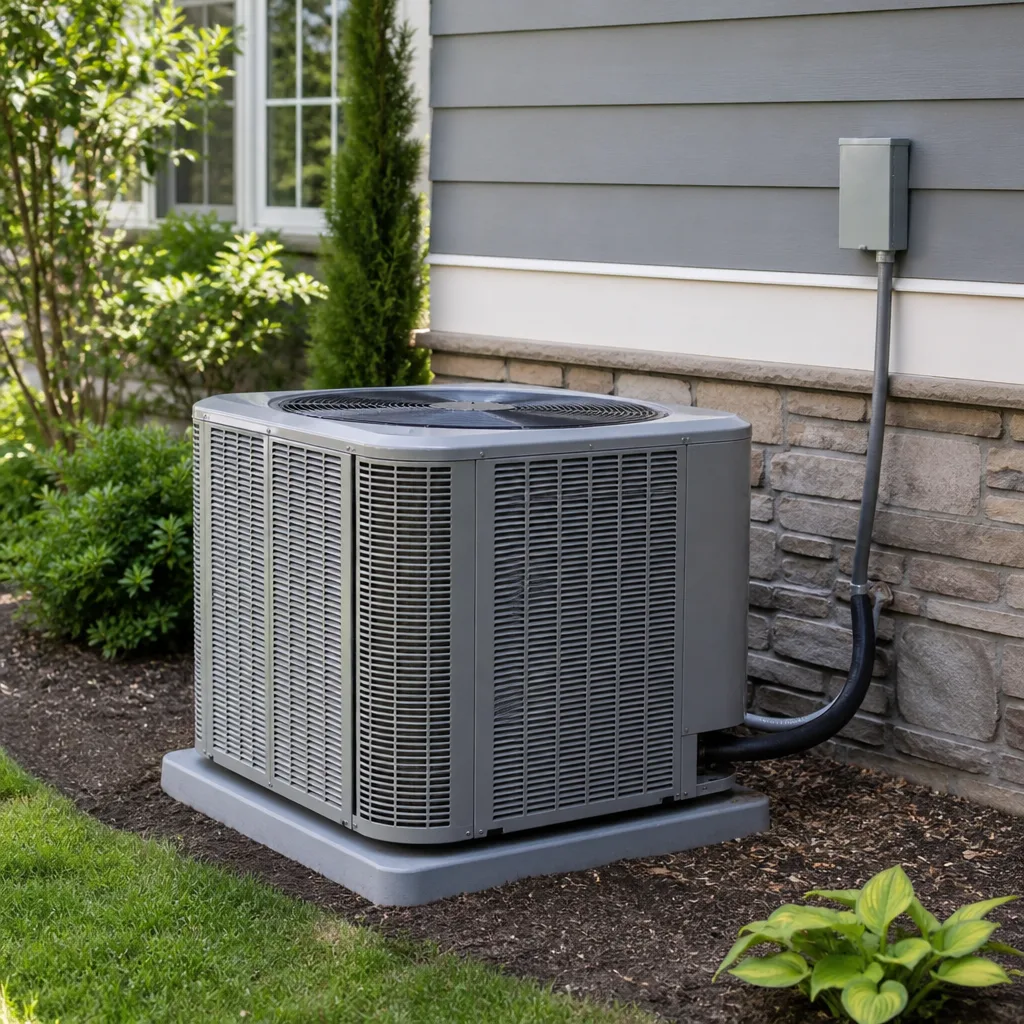 Carrier
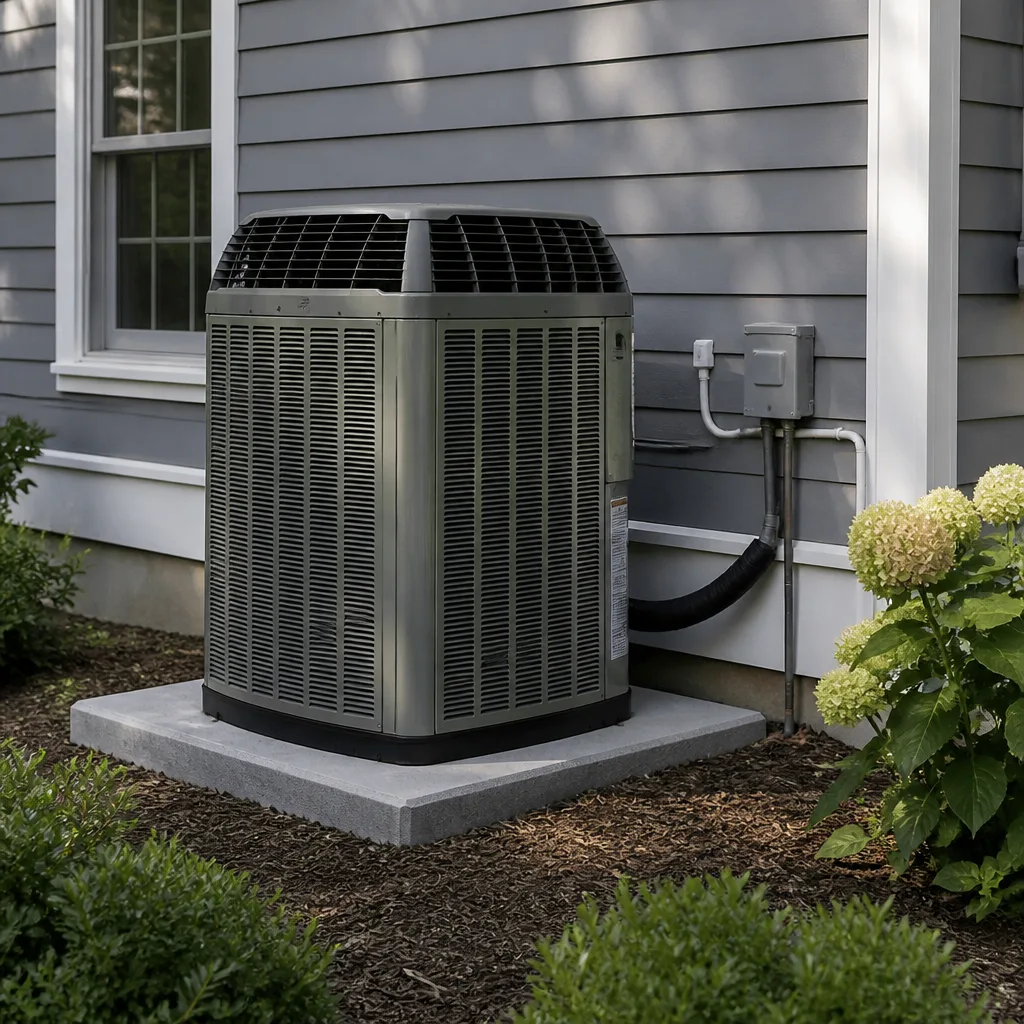 Trane
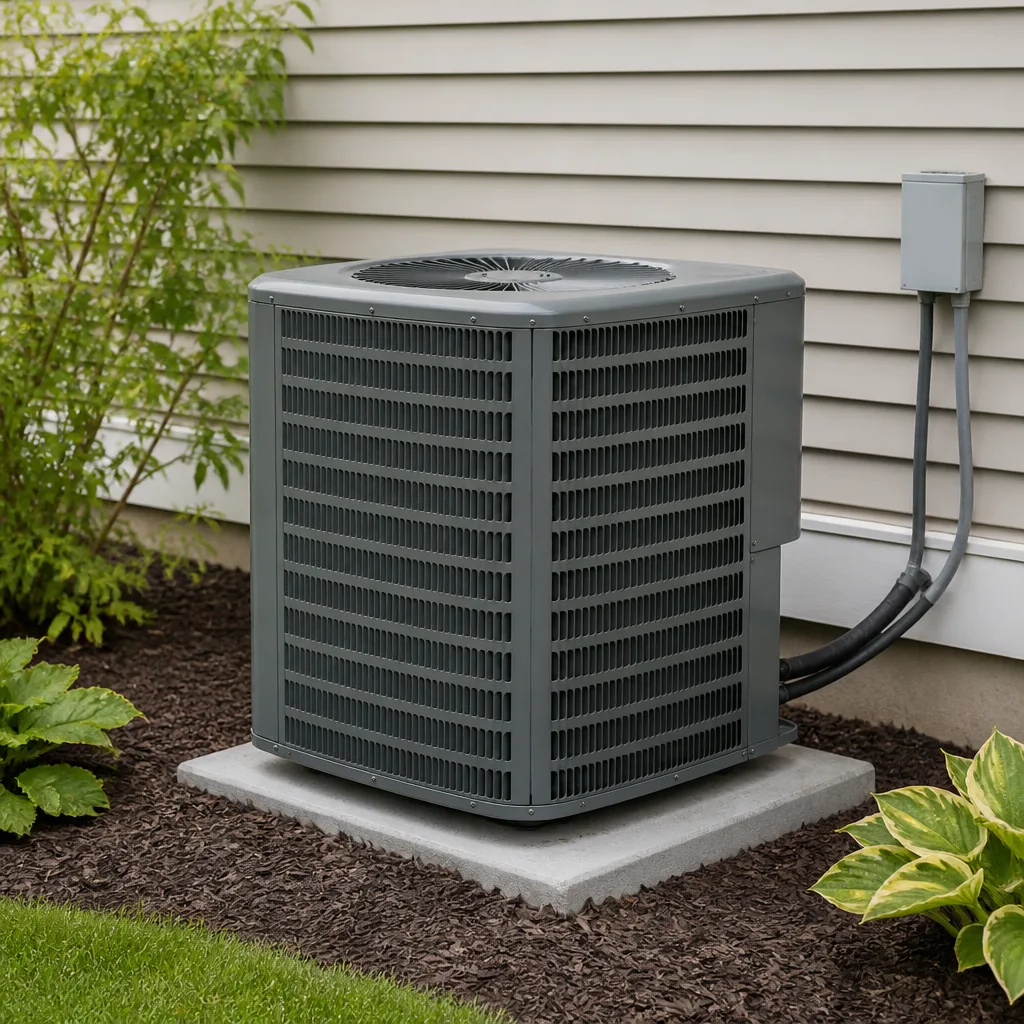 Goodman
Seasonal tune-up and full diagnostic on your Carrier, Trane, or Goodman system - readings shown to you before any repair is proposed
Diagnosis first, numbers second - you approve the repair price before a single part goes in.
Get your free estimateThe Complete AC Repair Guide for Santa Clara Homeowners
Most AC repair advice you’ll read online was written for Phoenix or Houston, where a system runs flat out for five straight months and fails loudly when something’s wrong. Santa Clara doesn’t work that way. Our average summer high sits around 82°F, and that mild baseline is exactly what makes air conditioning problems here so easy to miss. A system can lose refrigerant slowly or run on a weak capacitor for two full seasons and still keep the house comfortable, right up until a 100°F heat event arrives and it quits on the first day. This guide is about catching those slow failures before they strand you, understanding which repairs are worth doing on which systems, and knowing how the older housing stock around Santa Clara changes the diagnosis. You’ll get the local cost context, the permit questions, and the repair-versus-replace thresholds that actually apply here.
Quick Answer
AC repair in Santa Clara typically costs between $150 and $650 for common fixes like capacitors, contactors, refrigerant top-offs, and blower or fan motor repairs, while compressor or major component work runs considerably higher and is often the point where replacement makes more sense on an older system. The mild local climate hides developing problems, so pre-season checks in late spring catch most failures before peak heat. The written estimate always sets the final price, and estimates are free.
Styles & brands we work with
- AC repair
- Furnace & heating
- Heat pumps
- Ductless mini splits
- Carrier
- Trane
- Goodman
Table of Contents
- Why Santa Clara’s Mild Climate Hides AC Problems
- The Pre-Season Checks That Catch Failures Early
- Repair Thresholds: Under 10 Years vs. Over 15
- Repairs That Restore Performance vs. Repairs That Just Restart the Unit
- How Older Santa Clara Homes Change the Diagnosis
- Permits and Warranty: What Santa Clara Requires
- Repair or Replace? A Decision Framework
- How to Choose an HVAC Contractor in Santa Clara
Why Santa Clara’s Mild Climate Hides AC Problems
Here’s the counterintuitive part about air conditioning in Santa Clara: a system that runs gently most of the year never gets the workout that would expose its weak points. In hotter markets, a failing capacitor or a slow refrigerant leak announces itself within weeks because the unit is under continuous heavy load. In Santa Clara, the same fault can smolder through an entire cooling season without triggering a complaint. The house stays reasonably cool, the thermostat satisfies, nobody thinks to call.
Then a heat event lands. Demand across the region spikes, the system runs longer and harder than it has all year, and every latent weakness surfaces at once. That’s why so many repair calls in Santa Clara arrive in clusters on the hottest days of the year rather than spread evenly through summer.
The faults that hide best in a mild climate are:
- Slow refrigerant leaks in the evaporator coil or line set. Charge drops gradually, cooling output drops with it, and because the home was never overworked to begin with, the loss stays under the homeowner’s radar.
- Capacitor wear. Start and run capacitors degrade with age and heat exposure. A weak capacitor can limp along on moderate days and fail to start the compressor when the unit is asked for everything at once.
- Dirty condenser coils. With less runtime, coil fouling accumulates quietly over years rather than being flushed by constant airflow and rain.
- Contactor pitting. The electrical switch that engages the compressor builds up carbon over thousands of cycles. It works fine until it doesn’t.
None of these are dramatic. All of them are cheap to fix when caught early and expensive to fix when they take the compressor down with them. That’s the central reason pre-season attention pays off so well in Santa Clara specifically.
The Pre-Season Checks That Catch Failures Early
The best time to look at your AC in Santa Clara is late spring, before the first real heat event, when a technician can find and correct the slow failures while they’re still minor. A focused pre-season inspection covers the following:
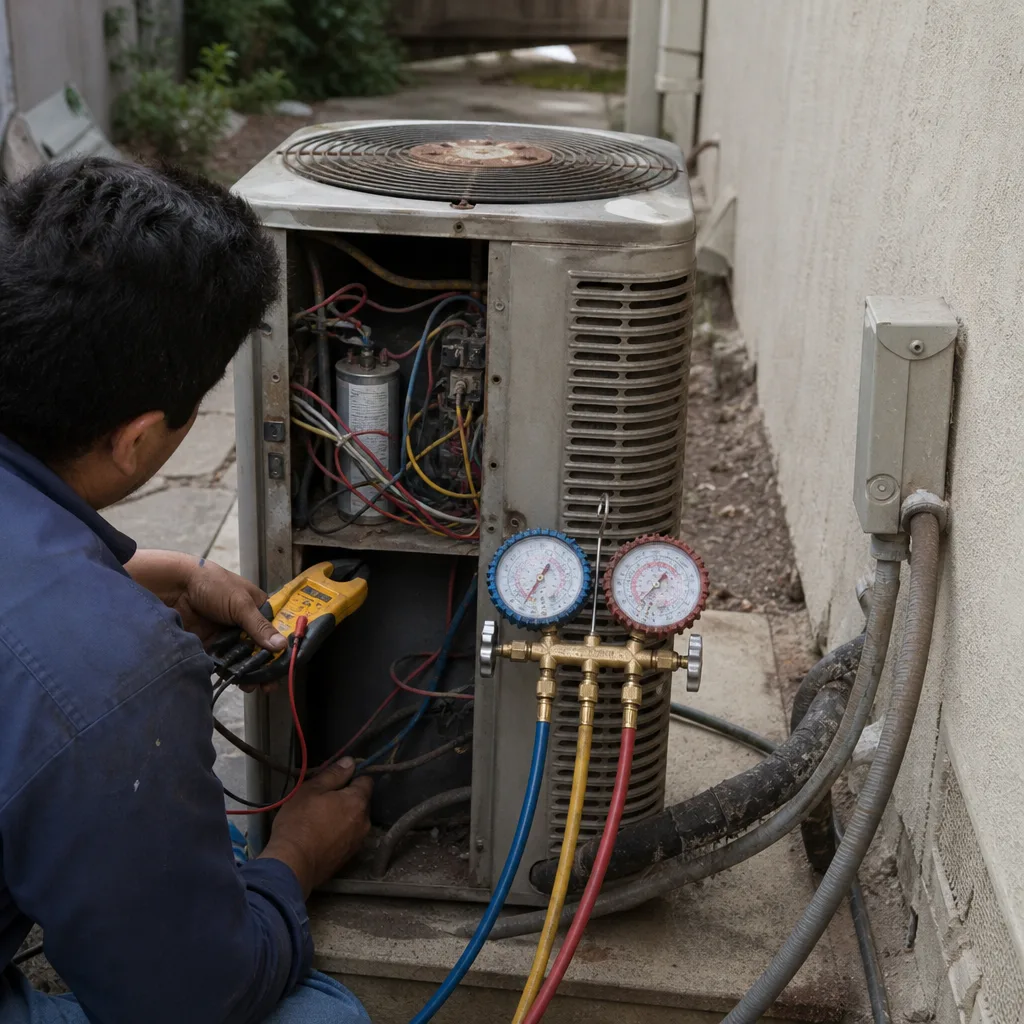
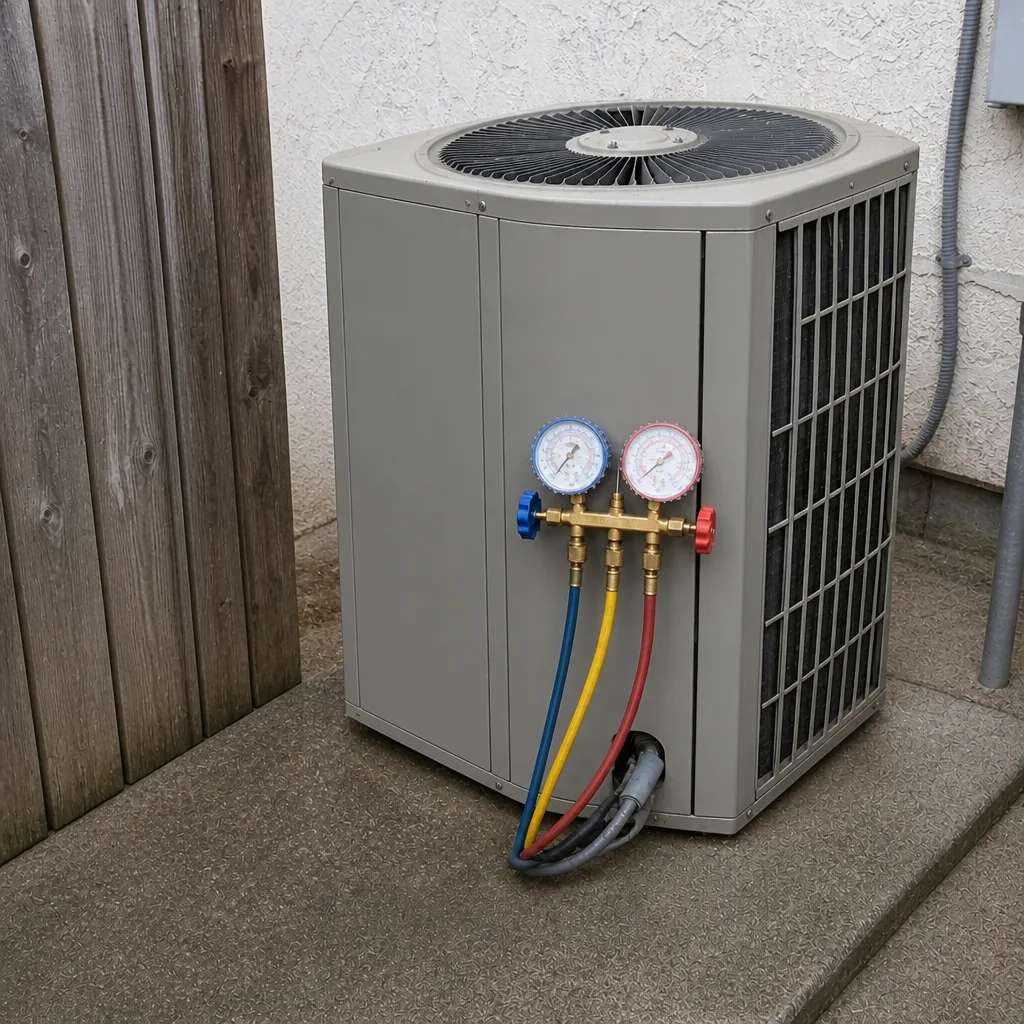
- Measure refrigerant charge against the manufacturer’s spec. Not just “does it cool” but the actual superheat and subcooling readings, which reveal a slow leak the system is compensating for.
- Test capacitors and the contactor. A capacitance meter reading in seconds tells you whether a part is at the end of its life before it strands you.
- Clean the condenser coil and check airflow. Restricted airflow drives up head pressure and shortens compressor life. A coil that’s never been cleaned in a mild climate can be surprisingly fouled.
- Inspect the condensate drain and safety switch. A clogged drain line is one of the most common summertime no-cool calls, and it’s preventable.
- Check the blower and filter situation. A dirty filter or a blower with worn bearings drags performance down gradually.
- Verify thermostat calibration and settings. A thermostat reading a couple of degrees off makes a healthy system look weak.
If your system is a Carrier, Trane, Lennox, or Goodman, our technicians are trained on those exact platforms and know which failure points to watch on each. Being familiar with the specific equipment means the inspection is faster and the diagnosis is more confident than a generic look-over.
Pair the pre-season check with an honest look at your filter routine. In Santa Clara, where the system runs less, homeowners often forget to change filters on schedule because there’s less reminder from constant use. A stiff, gray filter in June is a sign the whole year went unserviced.
Repair Thresholds: Under 10 Years vs. Over 15
The right question in Santa Clara isn’t “can this be fixed” but “is this fix worth doing on this system.” The answer changes sharply depending on the age of the equipment. Here’s the rough framework we apply:
Systems under 10 years old
On equipment with most of its service life ahead of it, nearly every repair short of a failed compressor makes economic sense. At this age you’re protecting an asset, and the math favors fixing. Typical local estimate ranges for common repairs:
- Capacitor or contactor replacement: roughly $150 – $300
- Refrigerant leak detection and repair, plus recharge: roughly $250 – $650 depending on the leak location and the refrigerant type
- Blower or condenser fan motor replacement: roughly $350 – $650
- Condensate drain clearing and safety switch: roughly $150 – $250
Systems over 15 years old
Past the 15-year mark, the calculation inverts. Older equipment runs less efficiently by design, replacement parts get harder to source, and a major repair can cost a large fraction of a new system’s price while leaving you with the same aging hardware. On a system this old, a compressor or evaporator coil failure is usually the signal to consider replacement rather than a second large repair. Smaller fixes like capacitors and contactors can still be worth doing to buy time, but there’s a point where each repair is money into a system with limited runway left.
The 10-to-15-year middle zone
This is where judgment matters most. A single moderate repair on a 12-year-old system is normally worth it. A second major repair within a year or two is the moment to start planning for replacement instead of patching again. Ask the technician directly what the expected remaining life is and what else is likely to fail next, and use that answer rather than a gut feeling.
These ranges are typical estimates only. Santa Clara labor rates and parts availability vary, and the written estimate you receive sets the final price.
Repairs That Restore Performance vs. Repairs That Just Restart the Unit
Two repairs can both get your AC blowing cold and mean very different things for the equipment. The distinction matters, especially if there’s warranty coverage left on the system.
A repair that restores performance brings the system back to the condition the manufacturer designed it for. Correct refrigerant charge, clean coils, correct airflow, properly functioning electrical components. If a leak is found, it’s located and repaired, not just topped off. The unit cools like new because it’s within spec again.
A repair that just restarts the unit gets the compressor running without addressing what caused the problem. The classic example in Santa Clara is a system that’s low on refrigerant: adding charge without finding the leak gets cold air back for a while, but the leak keeps losing refrigerant, the compressor keeps working harder, and in a system still under manufacturer warranty, an unrepaired leak can complicate any future claim on the coil or compressor. It’s a band-aid, and on younger equipment it burns warranty value.
The practical test is simple. Ask two questions of any repair:
- Does this fix the underlying cause, or just the symptom it produced?
- If this system is under warranty, does this approach preserve the coverage or risk it?
A brand-agnostic diagnostic approach means recommending the repair that’s actually right for your equipment, whether that’s a $200 part on a Carrier or a coil replacement on a Trane. The point of the diagnosis is to restore what the system was built to do, not to close the call fastest. That’s the standard we hold to across the nine major residential brands we service, because the answers differ by platform.
If you’re already weighing options on a system that’s failing, our AC repair service starts with a real diagnosis rather than a replacement quote.
How Older Santa Clara Homes Change the Diagnosis
A large share of Santa Clara’s housing stock went up between the 1960s and the 1980s, and that history shapes how AC problems show up. Slab foundations and original ductwork are the two big factors, and both can make a functioning system look like a broken one.
Duct leakage is the most common culprit. In older homes with original or aging duct runs, air escapes through joints, tears, and disconnected sections before it ever reaches the rooms. The consequences are easy to misread:
- The house doesn’t cool evenly in some rooms even though the system is producing cold air, which can look like a failing compressor.
- The system runs longer because it’s fighting to satisfy the thermostat, which raises wear on the compressor and other components.
- Certain rooms stay warm no matter the thermostat setting, which homeowners often attribute to undersized equipment when the real cause is air leaking into the crawl space or slab area.
Field data from duct studies has long shown that duct leakage in older homes is common, and in Santa Clara’s 1960s-80s housing it’s a routine part of what we see. A technician diagnosing “poor cooling” needs to check both the equipment and the distribution, because a compressor that tests healthy while the house won’t cool points to the ducts, not the machine.
Slab foundations add another wrinkle. Ducts running under or through a slab are harder to access and inspect, and leaks there can go unnoticed for years. When a homeowner reports warm rooms and the equipment is fine, duct inspection is the next place to look, and sometimes the diagnosis turns into a conversation about whether the duct system is worth improving alongside any AC repair.
If your home is in the older parts of Santa Clara and your system has never had its ducts checked, it’s worth asking about during any repair visit. Our technicians work both the cooling and heating sides of the system, so a single call can look at the whole picture rather than guessing at one half of it.
Permits and Warranty: What Santa Clara Requires
Permit requirements for HVAC work vary by jurisdiction, and Santa Clara is no exception, so the right move is always to confirm with the city’s building department before work is scheduled. Two areas where homeowners most often get surprised are refrigerant work and major component replacement.
In general terms:
- Refrigerant charging and leak repairs. Most jurisdictions, including Santa Clara, have specific rules about how refrigerant is handled and recovered, and some repair work requires a permit or at least an inspection. Confirm with the city before the technician starts.
- Component replacement. Swapping a compressor, evaporator coil, or air handler isn’t just a parts change. Many jurisdictions require a permit for this work so it can be inspected, and skipping that step can have consequences down the line.
- New installations and changeouts. A full AC installation almost always needs a permit and an inspection. If a contractor offers to do a changeout without one, ask why, because an unpermitted install will follow the house and can complicate a future sale or insurance claim.
Warranty is the part homeowners underestimate. Most manufacturer warranties have conditions about proper installation and servicing, and unpermitted or noncompliant work is one of the ways coverage can be voided. If your Carrier, Trane, or Lennox system is still under manufacturer warranty, a repair that skips the required permit or uses the wrong approach can put future claims at risk. That’s a real cost, not a technicality.
We don’t handle permits for you, and we won’t guess at the city’s requirement for a specific job. What we do is flag when a repair is likely to need one so you can check with the Santa Clara building department before the work begins. Ask the question before the appointment, not after.
Repair or Replace? A Decision Framework
This is the question that determines whether you spend a few hundred dollars or a few thousand, and it deserves a straight answer rather than a sales pitch. Work through these in order:
- What is the age of the system? Age alone doesn’t decide it, but it frames everything else. Under 10 years, lean repair. Over 15 years, lean toward replacement for major failures.
- What is the size of the repair relative to the system’s value? A small repair on any age of system is almost always worth doing. A major repair on old equipment is where you look hard at alternatives.
- How many major repairs has it needed recently? One is fine. Two within a couple of years is a pattern, and the pattern usually continues.
- Are there other looming failures? Ask the technician what’s most likely to fail next. A system with several components near end of life is a replacement candidate even if today’s failure is small.
- Does the repair preserve or restore performance? A repair that brings the system back within spec is worth more than one that just resets it temporarily.
If the answers point toward replacement, that’s a different conversation. Replacement is a load-calculated, scheduled job, not a same-day fix, and the right approach is a written fixed price and a set install date rather than a rushed decision made in the middle of a heat wave. Our AC installation service handles the full arc, so you’re not handed off to a different contractor mid-project. And because repair and replacement are handled by the same team, the recommendation you get comes from the people who can see the whole system, not just the failing part.
One more note: our technicians are not paid on what they sell. A brand-agnostic diagnostic approach is the whole point, and recommending the right fix for your existing equipment comes before any assumption that replacement is the answer.
How to Choose an HVAC Contractor in Santa Clara
A few practical questions will separate a contractor who can service your specific equipment from one who’ll guess. Given how many homes in Santa Clara have a named-brand system installed, competence with that equipment matters more than a low advertised price.
- Do they know your brand? Ask whether they’re trained on Carrier, Trane, Lennox, or whichever brand you have. A technician familiar with your exact equipment recognizes the failure points that are common to that platform rather than starting from scratch.
- Is the diagnosis brand-agnostic, or does it lead to a replacement quote? A focus on repair first, replacement only when it makes sense, is the signal that the recommendation fits your situation.
- Do they handle both the AC and the furnace? One call covering both sides of your comfort system means connected problems get caught, and you’re not coordinating two contractors.
- Is HVAC all they do? A single-trade focus on heating and cooling keeps technician skill concentrated on the work in front of them, rather than diluted across unrelated trades.
- Is the estimate written and free? A written estimate sets the final price. Confirm that upfront so there are no surprises.
- Will they flag permits when needed? A contractor who mentions permits before the job is telling you they do the work correctly.
Our technicians have up to 11 years of experience, and the focus is narrow: AC repair, AC installation, and furnace repair, across nine of the most widely installed residential brands. No plumbing, electrical, or roofing side business pulling attention away from the HVAC system in your home. If you want straight answers about your system instead of an upsell, that’s what we’re set up to give.
For broader local context, including how service in our area works, visit our Santa Clara page.
Common Mistakes to Avoid
- Assuming “it still cools” means it’s healthy. In Santa Clara’s mild climate, a system can run on a slow refrigerant leak or a worn capacitor for two seasons without obvious complaint. Waiting for a clear failure usually means a bigger, costlier repair.
- Skipping a pre-season check because summer doesn’t feel brutal here. Late spring is the window to catch developing problems before a heat event exposes them all at once. Book the check regardless of how mild the forecast looks.
- Topping off refrigerant without finding the leak. Cheap in the short run, but it lets a leak degrade the compressor and can complicate any manufacturer warranty claim on the coil or compressor. Find the leak.
- Assuming an old home’s warm rooms mean a bad compressor. Original 1960s-80s ductwork in Santa Clara leaks, and duct leakage frequently mimics a compressor problem. Check the ducts before condemning the equipment.
- Letting a contractor do major work without a permit. Refrigerant work and component replacement can require a permit in Santa Clara, and unpermitted work can void manufacturer warranties and follow the house for years.
- Replacing a system without a load calculation. Replacement is a scheduled job and should start with a proper load calculation, not a rushed decision during a heat wave. A written fixed price and a set install date are the minimum.
- Chasing the lowest advertised price over brand familiarity. A technician who knows your exact model catches the right failure point faster than one guessing across every brand. Competence and a written estimate matter more than the headline number.
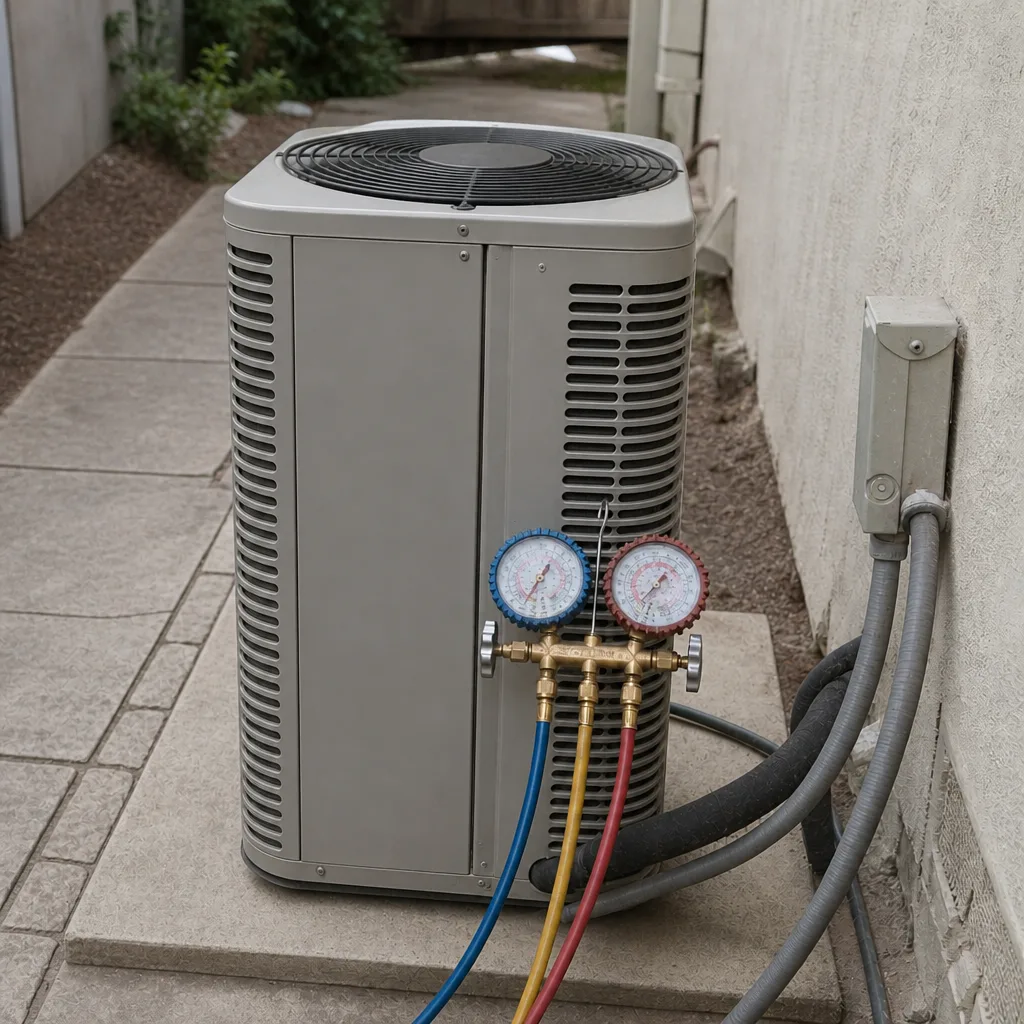
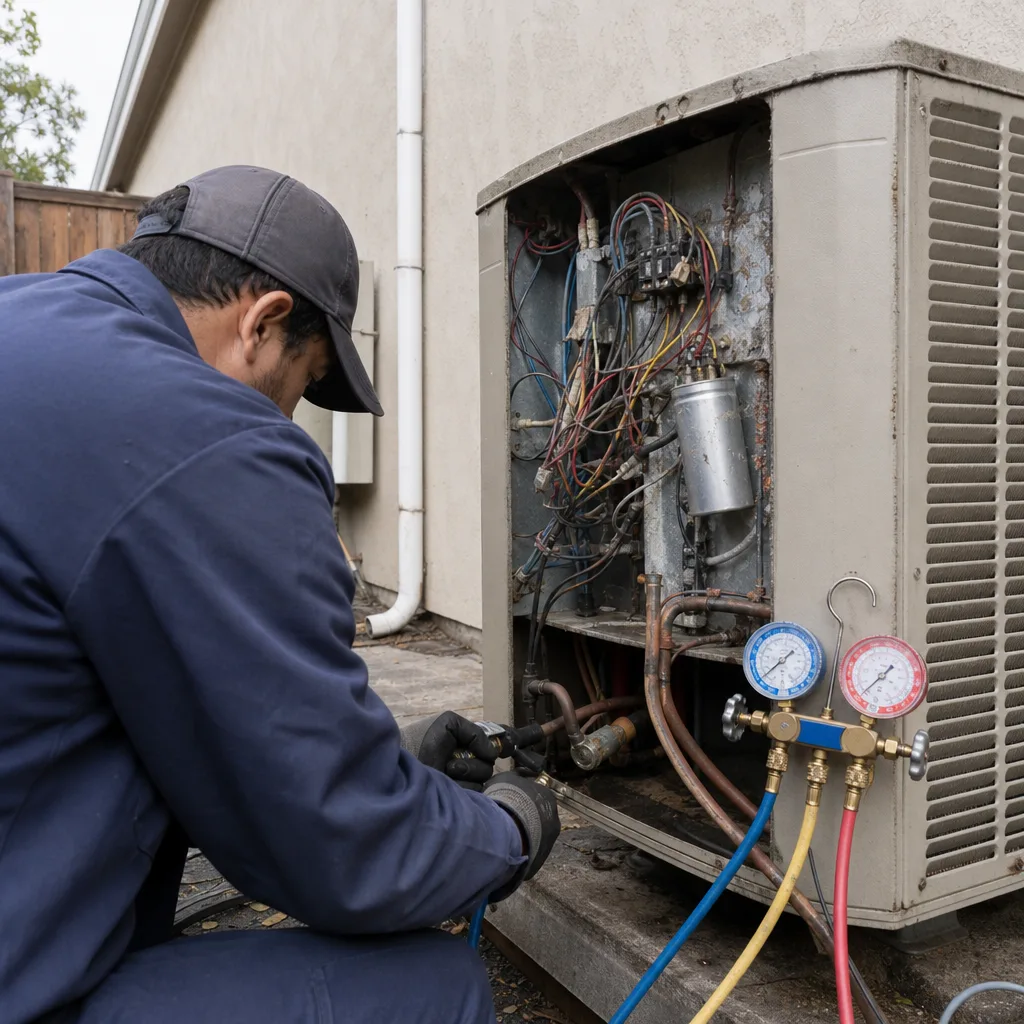
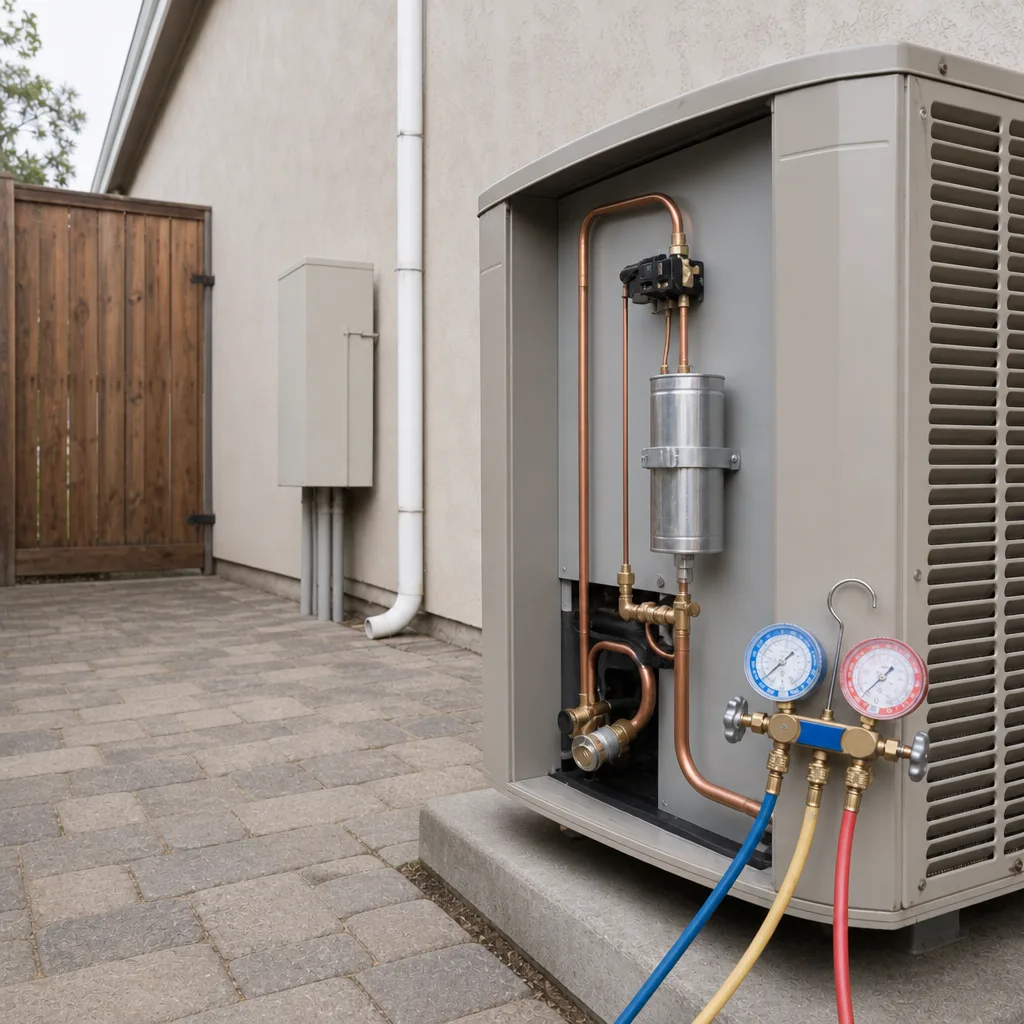
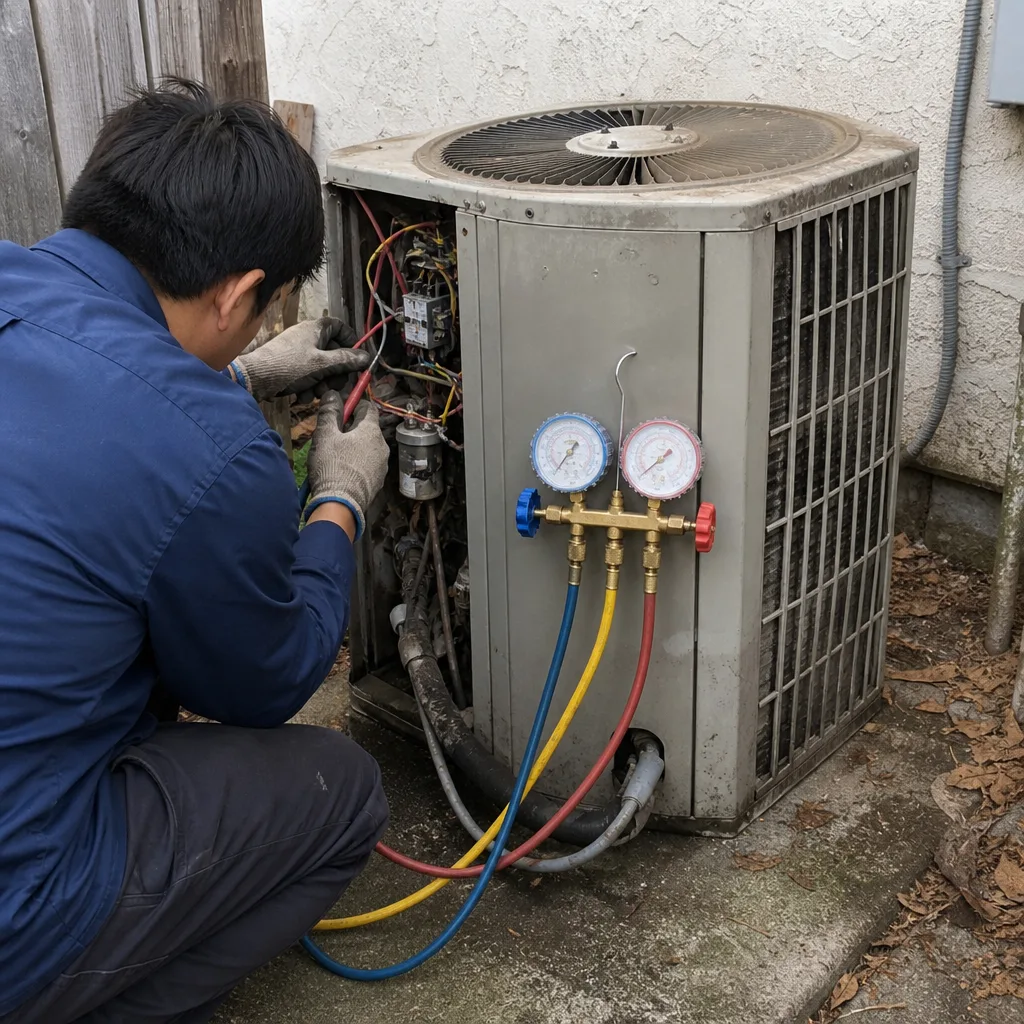
See the difference
 Before
 After
 Before
 After
 Before
 After
When to Call a Professional
Some faults are safe to notice and not safe to fix yourself. Any work involving refrigerant, the compressor, or the electrical components inside the outdoor unit is dangerous and, for refrigerant, legally restricted in how it’s handled, so it belongs with a trained professional. Call when you see any of these: the system runs but never cools the house like it used to; the breaker trips when cooling starts; you hear repeated clicking from the contactor or the outdoor fan won’t spin; ice forms on the indoor coil or refrigerant lines; the unit makes grinding or screeching noises; or a heat event is coming and the system already feels weak. If your home is in Santa Clara and you’re not sure whether what you’re seeing is a real problem, that uncertainty itself is a good reason to get it checked before peak demand. AC Repair Santa Clara offers free estimates in Santa Clara, and every visit starts with a real diagnosis. Call (833) 439-0749. We answer 24/7. Fast dispatch from 7am to 7pm, Sunday through Friday.
Frequently Asked Questions
AC repair in Santa Clara typically runs about $150 – $650 for common fixes, with capacitors and contactors at the lower end and refrigerant leak repair, blower motors, or bigger components toward the upper end. Compressor or major component work runs higher and often signals that replacement is worth considering on an older system. These are typical estimates, and the written estimate sets the final price. Call (833) 439-0749 for an exact quote – estimates are free.
Because Santa Clara’s mild baseline climate lets developing problems stay hidden until peak load exposes them. A slow refrigerant leak or a weakening capacitor can survive a gentle season without obvious complaint, then fail when the system is pushed hard during a heat event. A pre-season check in late spring catches those issues before the first hot spell. Call (833) 439-0749 to book a check.
Yes. Our technicians work both the cooling and heating sides of a home’s comfort system, so a single call can resolve connected AC and furnace issues rather than handing you to a second contractor. If both sides need attention, that’s one visit and one point of contact. Call (833) 439-0749 to schedule.
It depends on age and repair size. On systems under 10 years old, most repairs short of a compressor failure are worth doing. On systems past 15 years, a major repair is usually the moment to weigh replacement, though small fixes can still buy time. A second major repair within a couple of years is a strong signal to plan for replacement. Call (833) 439-0749 to talk through your system’s age and options.
It varies by job, but refrigerant work and major component replacement often require a permit, and a full install almost always does. Confirm with the Santa Clara building department before the work begins. Skipping a required permit can void manufacturer warranty coverage, which matters on younger Carrier, Trane, Lennox, and Goodman systems. Call (833) 439-0749 and we’ll flag any permit questions before the appointment.
We service nine of the most widely installed residential HVAC brands, including Carrier, Trane, Lennox, Goodman, Rheem, York, Daikin, Bryant, and American Standard. Being familiar with the specific equipment means technicians recognize the failure points common to your model rather than starting from zero. Call (833) 439-0749 – estimates are free.
The Bottom Line
The core lesson for Santa Clara homeowners is that a mild climate is not a safe climate for air conditioning. The lack of constant heavy load means slow refrigerant leaks, worn capacitors, and fouled coils go unnoticed until the first real heat event forces them into the open, and by then the cheap fix has often turned into an expensive one. Check the system in late spring, find the true cause of any failure rather than just restarting the unit, factor in duct leakage if your home dates to the 1960s-80s, and confirm permit requirements before refrigerant or component work. When a repair on an older system stops making sense, a proper load-calculated replacement with a written fixed price is the better path. For straight answers about your equipment, our team is here.
Written by the team at AC Repair Santa Clara.