
Last updated November 14, 2026
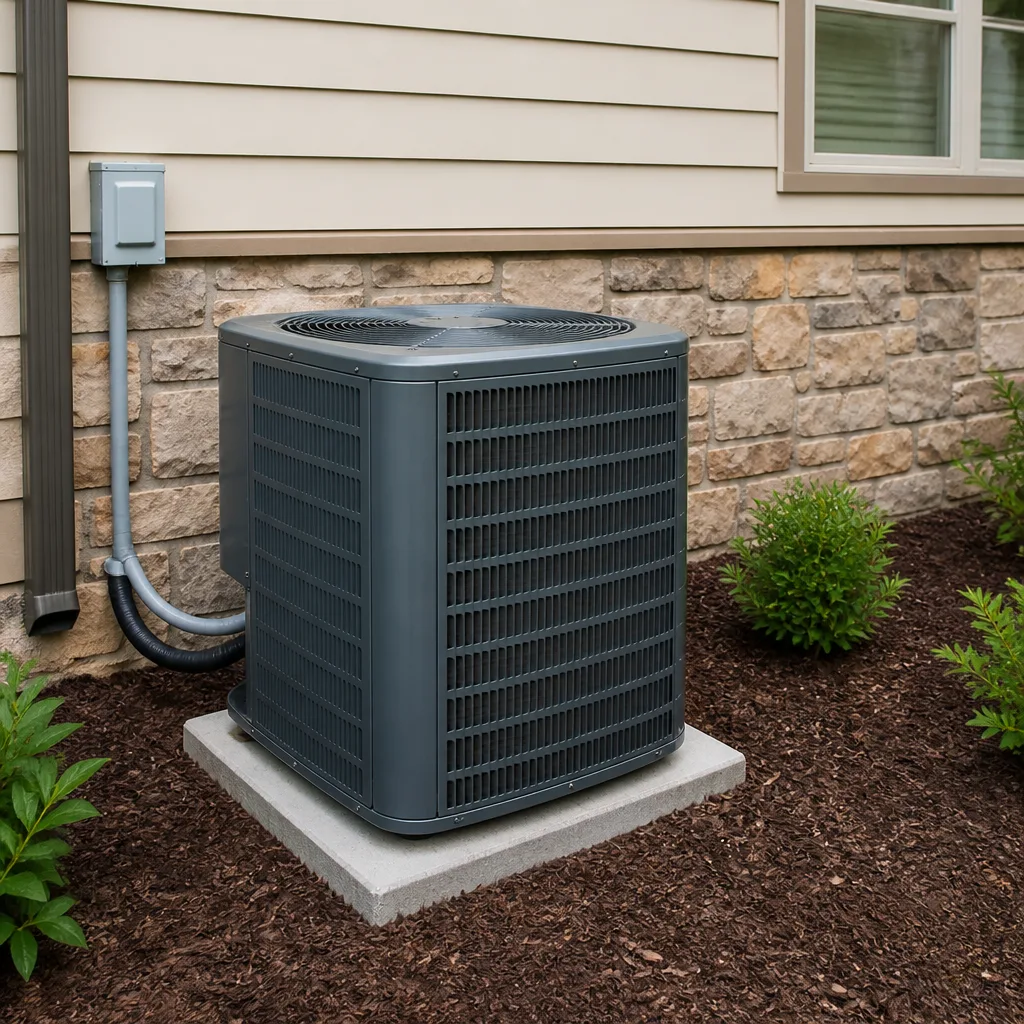 AC repair
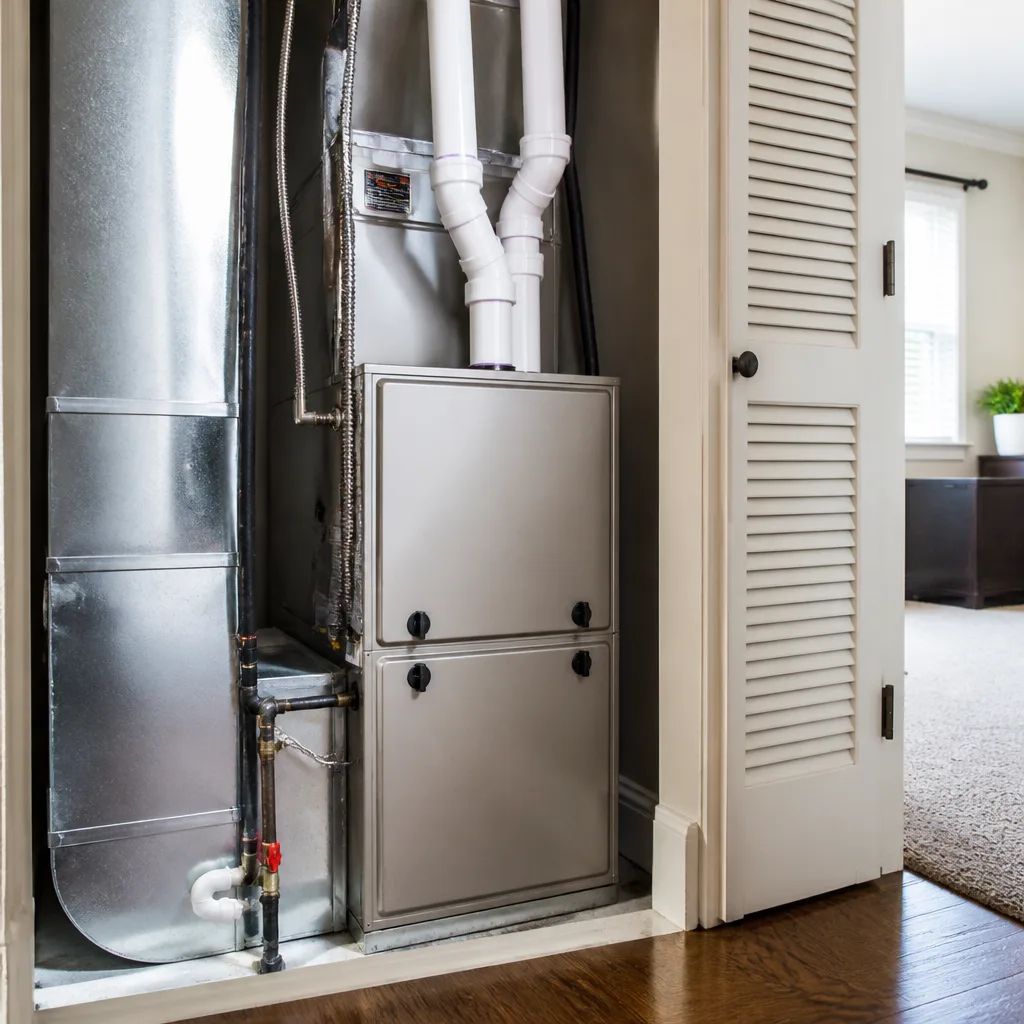 Furnace & heating
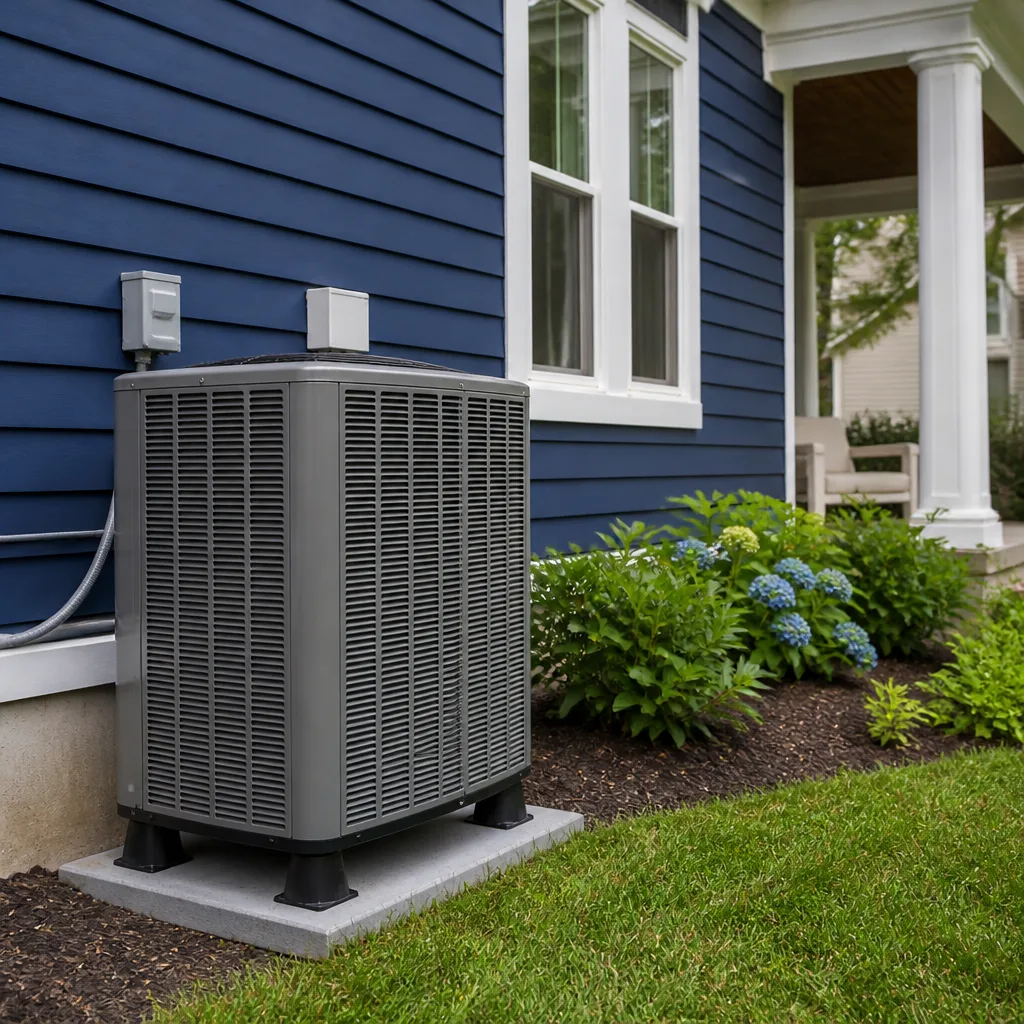 Heat pumps
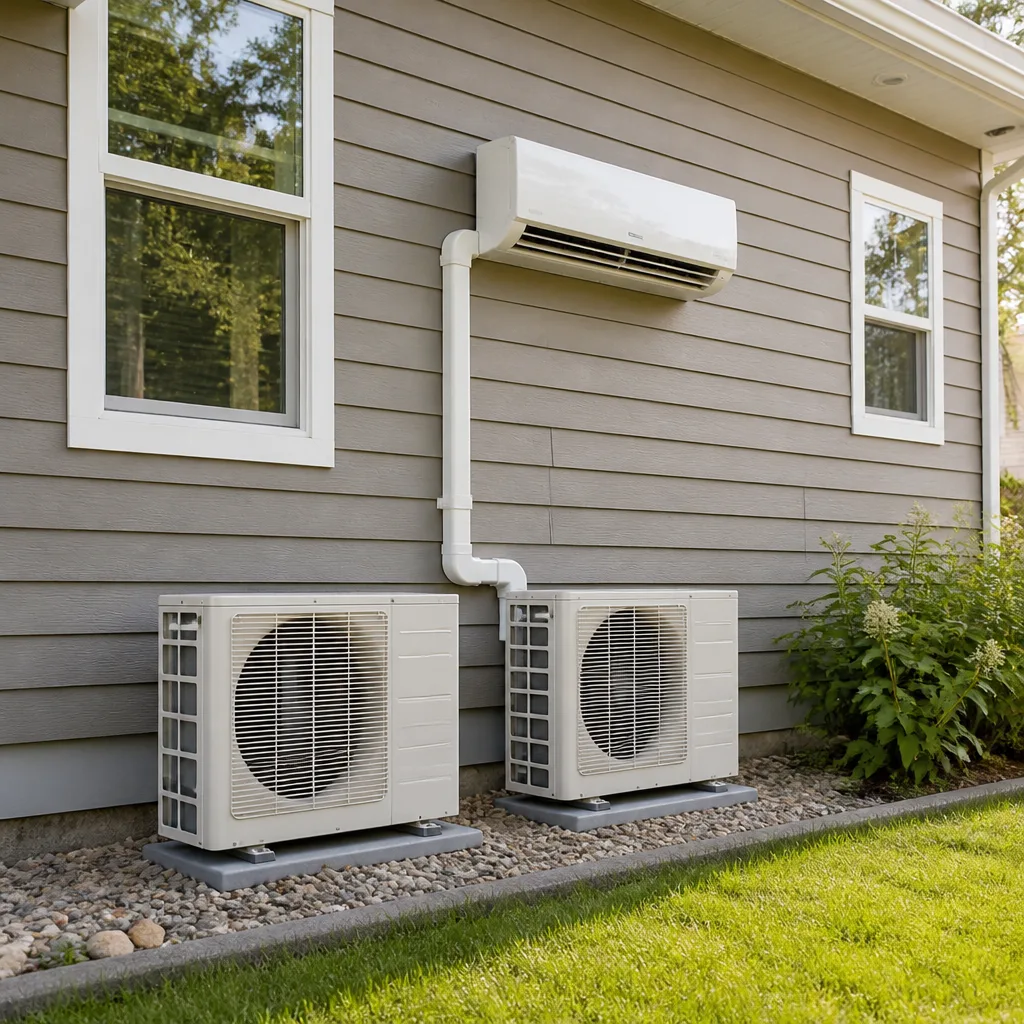 Ductless mini splits
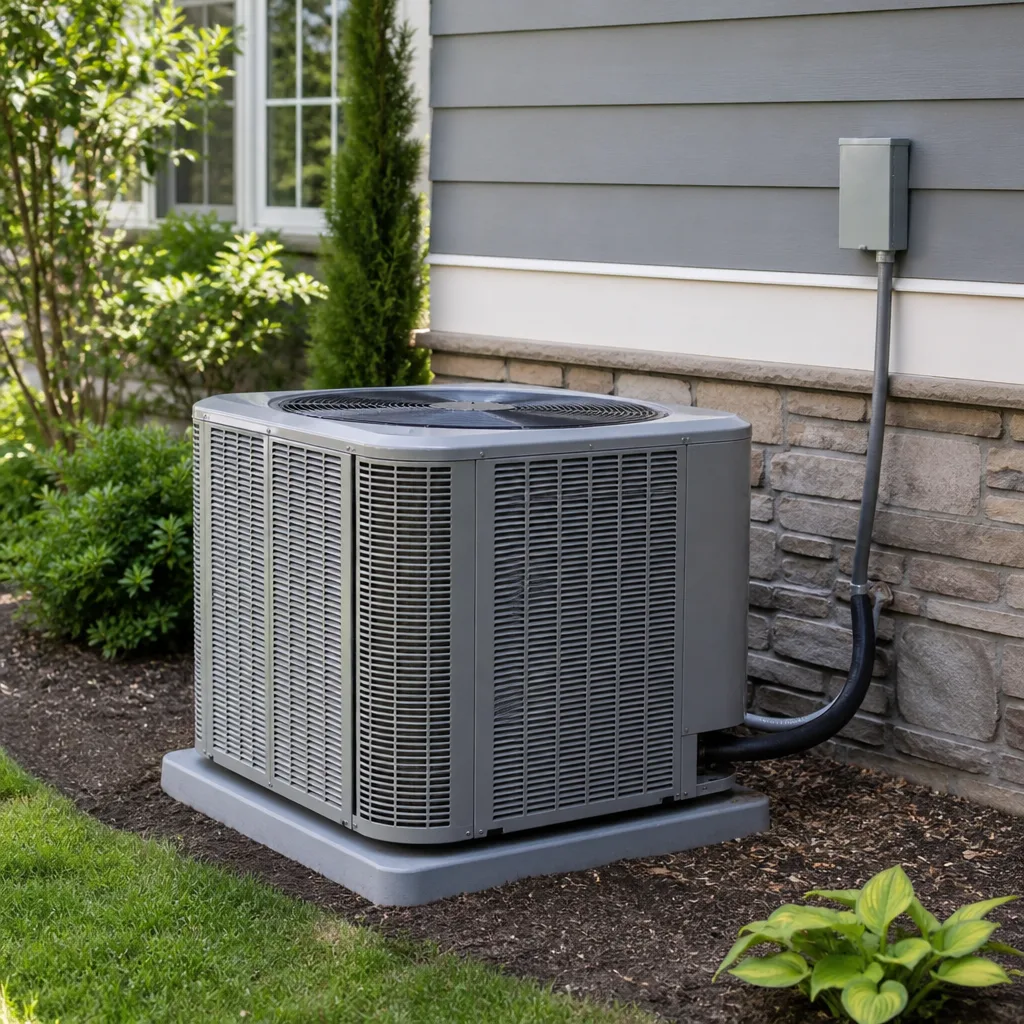 Carrier
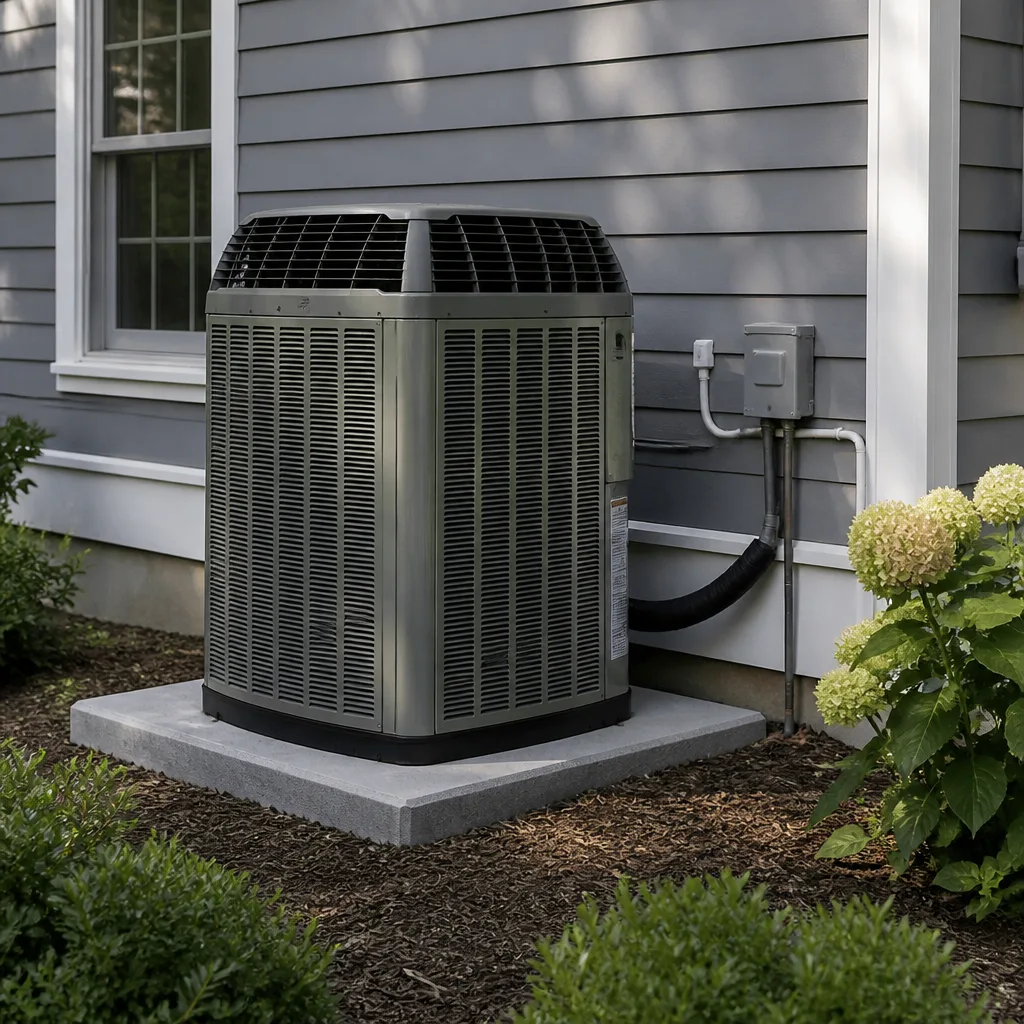 Trane
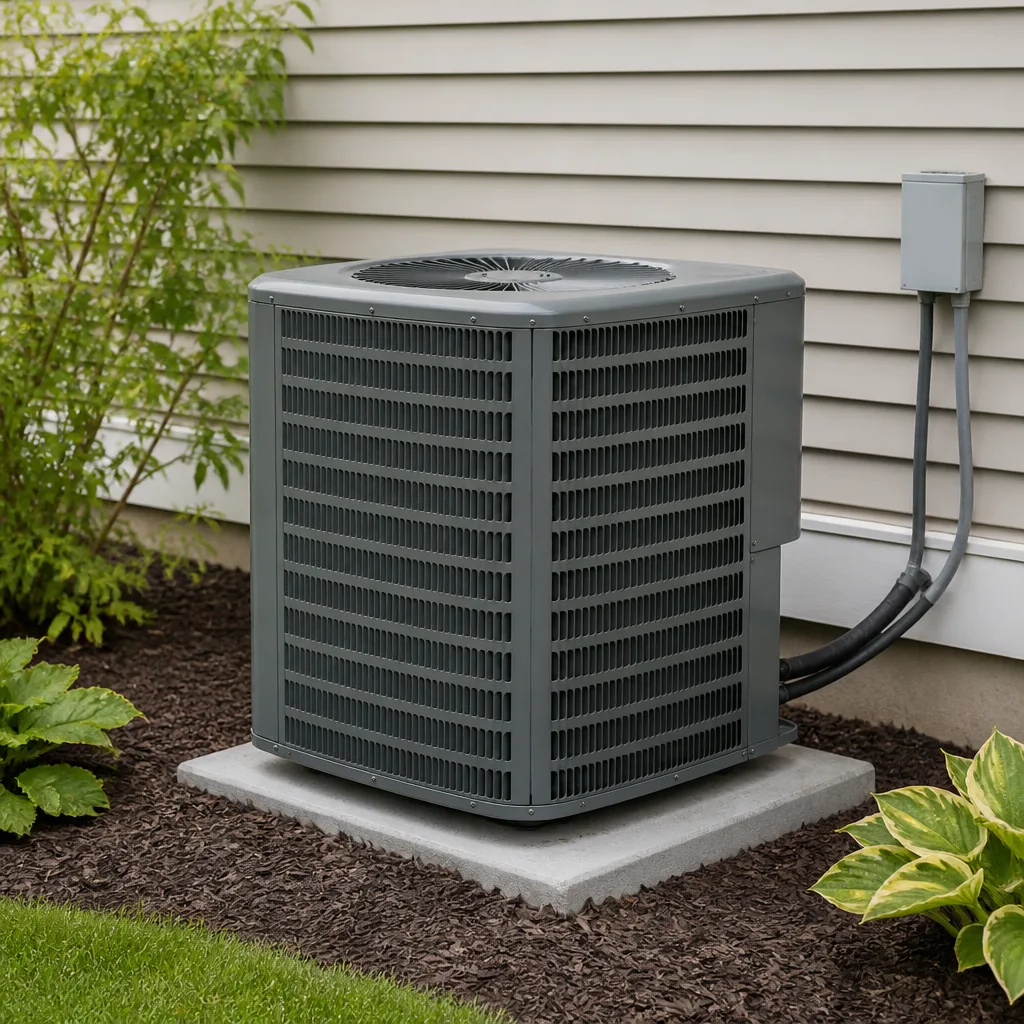 Goodman
Seasonal tune-up and full diagnostic on your Carrier, Trane, or Goodman system - readings shown to you before any repair is proposed
Diagnosis first, numbers second - you approve the repair price before a single part goes in.
Get your free estimateHVAC Warning Signs: A Santa Clara Homeowner’s Reference Guide
Most homeowners wait for a dramatic failure. The AC stops dead on the hottest afternoon of the year, the furnace blows cold air in January, or a breaker trips and won’t reset. By then, the repair is bigger and the house is already uncomfortable. The truth is that HVAC systems almost never fail without warning. They broadcast their problems for weeks, sometimes months, through small performance shifts that are easy to miss if you don’t know what to look for. An AC that runs longer to reach the same temperature isn’t “just working harder because it’s hot outside” – it’s a measurable efficiency loss that points to one of four specific causes, each with a different repair cost and urgency level. This guide teaches you to read those signals so you can call the right person at the right time, and so you can hand a technician a clear description of the problem instead of a vague “it’s not cooling right.” We’ll cover symptom-to-cause patterns, how to separate normal Santa Clara heat-wave behavior from genuine problems, which electrical signs are hazards, and what changes when a system passes 12 years old in Santa Clara.
Quick Answer
The core HVAC warning signs in Santa Clara are: longer run times without a matching drop in indoor temperature, supply air that feels only slightly cool rather than cold, new or worsening sounds (clicks, rattles, hissing, buzzing), musty or burning smells, water pooling near the air handler or outdoor unit, and rising energy bills without a change in usage habits. Any of these alone is worth a diagnosis. Two or more appearing together, or any smell of burning or sound of arcing, means turn the system off and call for same-day help. On a system over 12 years old, the same symptoms are more likely to point toward replacement than a one-time fix.
Styles & brands we work with
- AC repair
- Furnace & heating
- Heat pumps
- Ductless mini splits
- Carrier
- Trane
- Goodman
Table of Contents
- The Symptom-to-Cause Matrix: What Each Sound, Smell, and Behavior Indicates
- Normal Santa Clara Heat-Wave Behavior vs. a Real Problem
- The $12 Test That Separates Behavior From Breakdown
- Electrical Warning Signs: Which Are Hazards and Which Can Wait
- Warning Signs on Systems Over 12 Years Old in Santa Clara
- How to Document and Describe Symptoms So Diagnosis Doesn’t Waste Money
- Seasonal Shifts You Should Watch For Each Year
- Common Mistakes to Avoid
The Symptom-to-Cause Matrix: What Each Sound, Smell, and Behavior Indicates
When a homeowner calls and says “something’s off with the AC,” the technician’s first job is to convert that feeling into a mechanical cause. The guide below is the same pattern-matching we use in the field. Each row pairs a specific observation with the components most likely causing it and a rough urgency rating: same day means stop using the system, this week means schedule a diagnostic soon, and next appointment means it can wait for a scheduled visit without risking more damage. This is the single most useful table in this guide – save it or screenshot it.
- Buzzing from the outdoor unit or breaker panel – loose electrical connections, a failing contactor, or a compressor drawing high current. Urgency: same day. Buzzing near any electrical panel is a fire concern, not a comfort concern.
- Rattling or clanking from the outdoor unit – loose fan blades, a failing motor bearing, or debris inside the cabinet. Urgency: this week. Left alone, a fan failure often escalates to compressor damage.
- Hissing near the indoor or outdoor coil – refrigerant escaping under pressure. Urgency: this week. A slow leak worsens, and running a system low on refrigerant stresses the compressor.
- Clicking that repeats without the system starting – a failing capacitor or control board attempting to start the compressor or blower. Urgency: this week. Repeated start attempts burn out components.
- Squealing from the indoor blower – worn blower motor bearings or a slipping belt on older equipment. Urgency: this week.
- Musty or damp smell when the fan runs – moisture or biological growth on the evaporator coil, a clogged condensate drain, or a wet cabinet. Urgency: this week. This is common in Santa Clara when the drain pan stays wet through a humid stretch.
- Burning or hot-plastic smell – an overheating motor, a failing wire connection, or a control board component failing. Urgency: same day. Shut the system off at the thermostat and call.
- Rotten-egg smell near a gas furnace – a possible gas leak. Urgency: same day. Leave the house, then call the gas utility first and us second.
- Running longer without reaching set temperature – low refrigerant charge, a dirty evaporator coil, restricted airflow from a clogged filter, or a failing compressor. Urgency: this week, since diagnosis narrows those four.
- Water pooling near the indoor unit or ceiling stain below it – a blocked condensate line or a frozen coil thawing. Urgency: this week, before water finds drywall.
Notice that almost none of these are “the system is dead” symptoms. They’re the system trying to tell you something before it fails. That’s the point. If you’re already hearing something from that list and want it checked, AC Repair Santa Clara is the place to start, and we’ll tell you plainly which row your symptom belongs to.
Normal Santa Clara Heat-Wave Behavior vs. a Real Problem
Santa Clara summers are mild compared to the inland valleys, but that’s exactly what causes misreads. A long stretch in the 90s – which happens here most summers – pushes a system that’s sized for a “typical” day into much harder work. Homeowners see longer run times and assume the AC is failing. Often it isn’t. Here’s how to tell the two apart.
Normal heat-wave behavior looks like this:
- Run times stretch from, say, 15 minutes to 30-40 minutes per cycle on the hottest afternoons, but the indoor temperature still reaches the thermostat’s set point by evening.
- The gap between the set temperature and the outdoor temperature is bigger than usual, so the system works longer to hold the line – this is expected physics, not a fault.
- Supply air feels cool but not icy when the house has been closed up all day and the thermostat was set high.
- Recovery takes longer after cooking, showering, or opening windows, but it does recover.
A real problem looks like this:
- The system runs nonstop for hours and the indoor temperature never reaches the set point, or it drifts up by 2-4 degrees even with the thermostat set the same as it was in spring.
- Supply air feels only slightly cool, closer to room temperature than to the 55-60°F a working system should be delivering.
- One room stays notably warmer than the rest of the house, consistently, not just when the sun is on that side.
- The outdoor unit shuts off while the indoor fan keeps running, or the outdoor unit cycles rapidly on and off within a minute or two.
- Breakers trip, or the system resets itself and starts fighting the thermostat again.
The dividing line is simple: a normal system reaches the set point eventually. A system with a problem doesn’t, no matter how long it runs. If your system is holding temperature but running longer, that’s efficiency loss and worth a scheduled diagnostic – it’s a warning sign. If it’s not holding temperature, that’s an active failure and it’s worth same-day service. Our AC repair team handles both categories, and we’d rather you call on the first one than the second.
The $12 Test That Separates Behavior From Breakdown
You can settle the normal-vs-real question with an inexpensive infrared thermometer – the kind sold at any hardware store for around $12. It reads surface temperature at a distance, which is exactly what you need. Here’s the procedure, and please keep it simple: this is a reading exercise, not a repair.
- Pick a room that’s been stable – not the kitchen, not a sun-facing room, and not directly under a supply register.
- Let the system run normally for 15 minutes. Don’t change the thermostat during this time.
- Measure the return air. Point the sensor at the return grille or the filter slot in the ceiling or wall. Write down the number.
- Measure the supply air. Point the sensor at the supply register in the same room, aiming into the airflow, not at the metal grille. Write down the number.
- Subtract the supply from the return. A working system in Santa Clara summer conditions typically shows a drop in the 15-20°F range. If the drop is under 10°F, the system isn’t cooling properly and needs a diagnostic. If it’s over 25°F, the airflow is likely restricted – usually a filter or coil issue.
- Repeat the test on a cooler morning. If the drop is strong in the morning and weak in the afternoon, you’re seeing the system lose capacity as the outdoor temperature climbs – that pattern usually points to refrigerant charge or a compressor losing efficiency, and it’s worth a diagnostic soon.
This is the single best gift you can give a technician: an actual number instead of an impression. If you tell us “the return-to-supply drop was 18°F Monday and 9°F Wednesday,” we know before we arrive where to look. That said, this test only tells you the system’s capacity – it doesn’t diagnose the cause, and it’s not a reason to skip a professional. If it’s telling you something, AC installation isn’t automatically the answer either, even if the system is old; the diagnostic comes first.
Electrical Warning Signs: Which Are Hazards and Which Can Wait
Two categories of warning signs, two very different responses. Electrical signs need to be sorted fast, because a small number of them are genuine fire or shock hazards. We say this plainly because we’ve seen the difference: a homeowner who called on a buzz and a homeowner who waited through a breaker that kept tripping. One was a five-minute repair. The other was a repair plus a damaged component.
Treat as a same-day hazard:
- Buzzing from the outdoor disconnect, the breaker panel, or the indoor air handler cabinet.
- A breaker that trips more than once on the AC circuit. Never reset a breaker repeatedly to “make it work” – that’s the electrical equivalent of taping over a warning light.
- A smell of hot plastic or burning wire anywhere near HVAC equipment.
- Visible scorch marks, discoloration, or a warm-to-the-touch cover on a breaker or disconnect.
- Any tingle or shock when you touch a metal cabinet or register grille. Do not investigate this yourself. Turn the system off at the breaker and call.
Can usually wait for a scheduled appointment:
- A single, isolated breaker trip with no recurrence. Log the date, and note if it happens again.
- A thermostat that reads a degree or two off from a separate thermometer, with no other symptoms.
- A flickering display on a thermostat that’s clearly a battery or control-board concern and not a safety event.
- A blower that starts slowly but otherwise runs normally.
Electrical panels, disconnects, and capacitors are genuinely dangerous to work on. A capacitor can hold a lethal charge even after the power is off, and a panel has live conductors the moment someone careless opens it. Please don’t diagnose these yourself. A trained technician spends years learning where to put their hands. Call (833) 439-0749 – we answer 24/7, and fast dispatch runs 7am to 7pm, Sunday through Friday.
Warning Signs on Systems Over 12 Years Old in Santa Clara
Age changes the math. A 5-year-old system with a refrigerant leak is usually a repair. A 13-year-old system with the same leak, plus a compressor that’s drawing high current, plus a coil that’s showing corrosion, is a different conversation. Somewhere past the 12-year mark, the warning signs stop being purely diagnostic and start being a forecast. Here’s what to watch.
- Repairs stacking up within a year. Two or three completed repairs in 12 months on an older system is a strong signal the equipment is on its way out, not that you’ve had bad luck.
- Refrigerant leaks that keep returning. Each recharge is a stopgap. If a system has needed refrigerant twice in a couple of years, the leak is finding another way out somewhere else.
- Losing capacity on hot afternoons. A system that kept up five summers ago but now can’t hold the set point at 92°F is telling you the compressor or coil is losing efficiency. This is very visible in Santa Clara because most homes over here run on the same set point all season.
- Loud starting and stopping. A compressor that clunks into gear or takes a moment to spin up is on the last stretch of its life.
- Uneven cooling between rooms. Not always a duct issue – on older equipment, a failing blower or a partially compromised coil can cause one zone to lag.
- Rising energy bills with unchanged use. An aging system draws more to do the same job. If your usage and habits haven’t changed but the bill has climbed two to three summers running, the equipment is the likely cause.
One more thing about age: the replacement decision isn’t automatic at 12 years. A well-maintained Goodman or Rheem system from that era with one clear problem is often worth repairing. A York or Daikin system that needs a compressor plus a coil is usually a replacement conversation. We tell homeowners to add up the repair cost plus the repair cost plus the next repair cost, and compare that to what a new system would cost to own over the same period. That’s a straightforward, brand-agnostic way to decide. Our technicians have up to 11 years of experience on nine major residential brands, so if you’re weighing repair against replacement on older equipment, we can be specific about your model rather than general.
How to Document and Describe Symptoms So Diagnosis Doesn’t Waste Money
A clear description from you can cut diagnostic time significantly, and diagnostic time is what you’re paying for. Here’s how to write down what you’re hearing, seeing, and feeling so the technician walks in already oriented.
- Name the pattern, not just the feeling. “It’s not cooling” becomes “the indoor temperature reached 78 with the thermostat set to 72, and it took four hours to climb from 74.”
- Put a timestamp on the first occurrence. “Started noticing it Tuesday” is more useful than “for a while now,” because it lets the technician correlate with weather or recent work in the house.
- Note what causes it and what stops it. Does it happen every cycle, only in the afternoon, only after a thermostat change, or when the system starts up?
- Describe the sound in plain terms. “Buzzing like a phone on vibrate” or “clicking like a turn signal” tells a technician more than “a weird noise.”
- Report smells separately. A musty smell and a hot smell are two completely different diagnostic paths.
- Include your thermostat readings and any recent changes – new filter, new thermostat, power outage, breakers off. Then include the return-to-supply numbers if you took them.
- List every symptom, even small ones. “Also the fan runs a few seconds after the outdoor unit stops” sounds minor, but it can help pin down a control-board issue quickly.
Pair that log with the model and brand of the equipment, which is usually printed on a plate on the outdoor unit and on the indoor air handler. We’re certified on Carrier, Trane, Lennox, Goodman, Rheem, York, Daikin, Bryant, and American Standard, so we don’t need to spend time figuring out what kind of system you have – but we do need to know it. If you’re ready for a diagnostic, a Santa Clara visit can sometimes turn into a repair on the first trip if the description is specific enough.
Seasonal Shifts You Should Watch For Each Year
Warning signs are rarely random – they cluster around the seasonal transitions in Santa Clara. Knowing when to look makes them easier to catch early. This is a calendar of attention points, not a prediction.
- First warm week of late spring: the first long run of the season often reveals an efficiency problem that winter masked. Watch the supply-air temperature and the run time on the very first hot day of the year. That’s when a slow refrigerant leak first shows itself.
- Mid-summer heat waves: the most demanding stretch. Systems that failed at any point in the prior year will fail here. Watch for repeated breaker trips, unusually long run times with rising indoor temperature, and outdoor units that shut off before reaching the set point.
- First cool week of November: the first furnace startup is a fingerprint. Watch for a burning smell on the first run (brief is normal; persistent is not), a slow warm-up, a fan that comes on without any heat, or a click that repeats without ignition.
- Deep winter: the coldest nights stress the heating side. Watch for short-cycling, a furnace that runs but produces only warm – not hot – supply air, or a thermostat that can’t keep up with a set point that worked fine last year.
- Rainy season: condensate drains and outdoor cabinets are the vulnerable points. Water pooling indoors and a musty smell right after rain both point to drainage, not the cooling cycle itself.
Each of those moments is a fork in the road. A system that shows nothing in spring and passes the summer is probably healthy. A system that hesitates on any of those transitions is telling you something, and the earlier we see it, the cheaper it usually is to fix.
Common Mistakes to Avoid
Most expensive HVAC failures come from a handful of decisions that seemed reasonable at the time. These are the ones we see most in Santa Clara.
- Resetting a breaker repeatedly instead of calling. A breaker trips because it’s doing its job. Reset it once to see if it was a fluke; if it trips again, stop. Repeated resets are how small electrical faults become real damage to the compressor or control board.
- Assuming longer run times always mean a failure. During a heat wave, they often don’t. Measure the return-to-supply drop before you panic, and you’ll know whether to call or wait out the weather.
- Chasing the thermostat instead of the cause. Turning the thermostat lower and lower to get the AC to “catch up” doesn’t help a system that’s lost capacity – it just extends the run time. Set it, leave it, and diagnose the cause.
- Replacing a filter as the only fix, then ignoring the next symptom. A clogged filter is a real cause of long run times, but if a fresh filter doesn’t restore capacity within a day, the filter wasn’t the problem.
- Ignoring a musty smell because it “goes away.” It doesn’t go away; it gets pushed back when the AC is off. In Santa Clara, damp evaporator coils from long cool seasons are a real cause of this, and the fix is usually a cleaning and drain service, not a replacement.
- Waiting for a total failure before calling on a system over 12 years old. An emergency replacement on the hottest day of the year is the worst time to be shopping for equipment, because everything is compressed. A repair-first diagnostic on a warning sign gives you time to decide with the system still running.
- Hiring a technician who doesn’t know your equipment. Asking “do you work on Carrier, Trane, or Lennox?” is a fair and useful question. Familiarity with the exact model changes how fast the diagnostic goes.
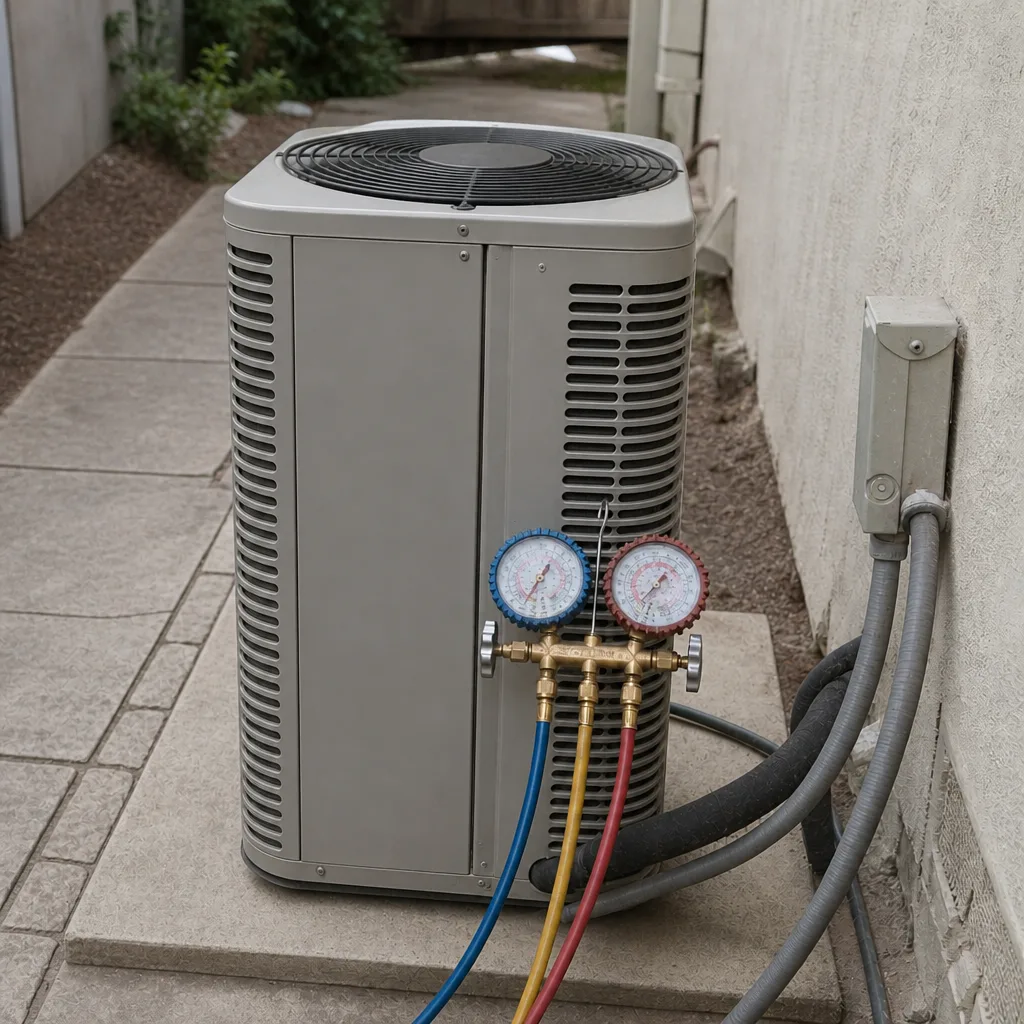
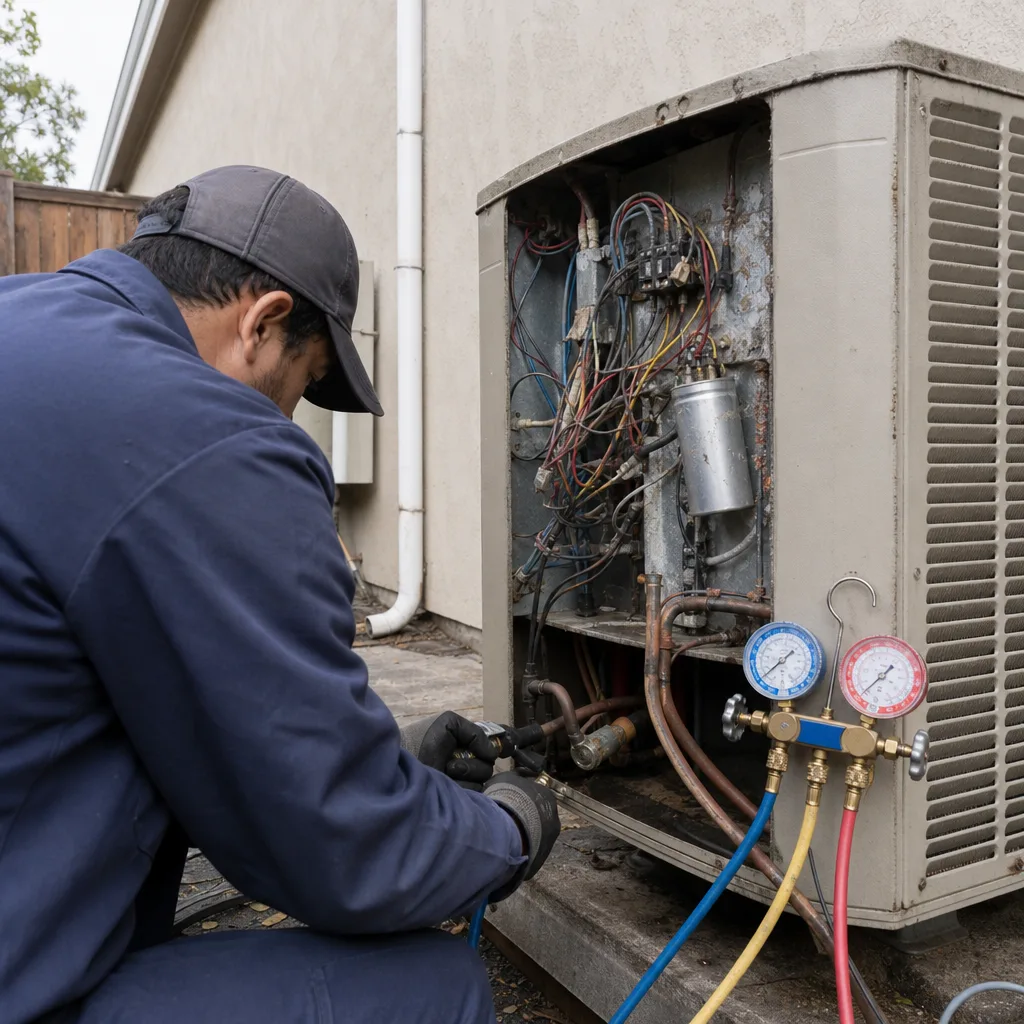
See the difference
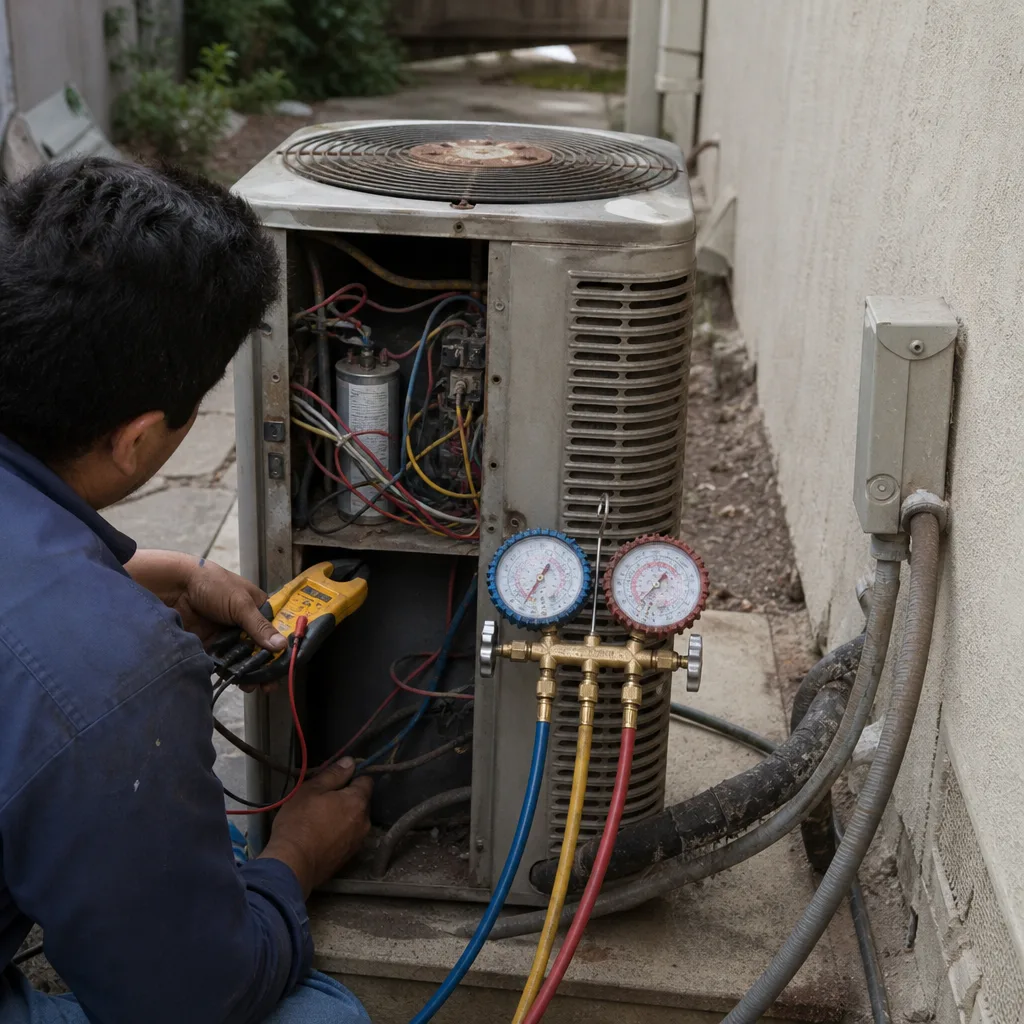 Before
 After
 Before
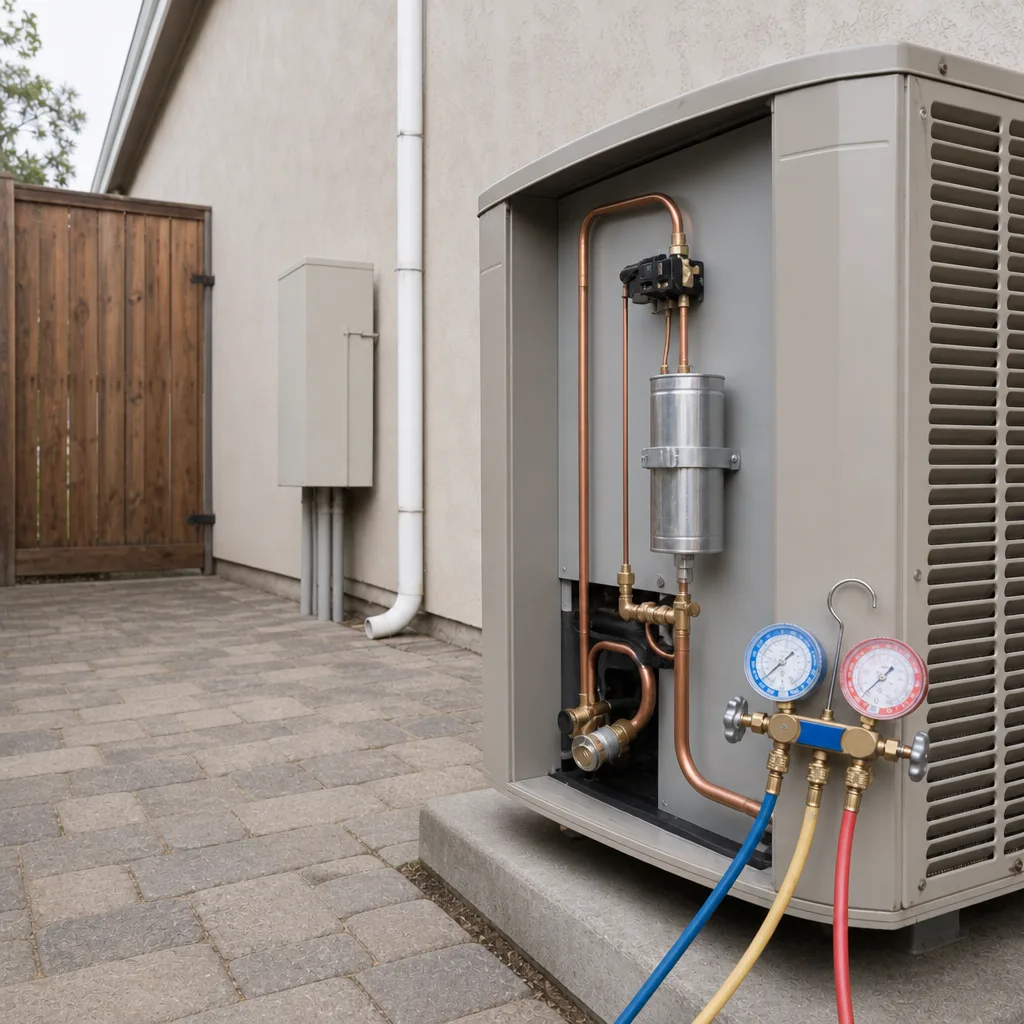 After
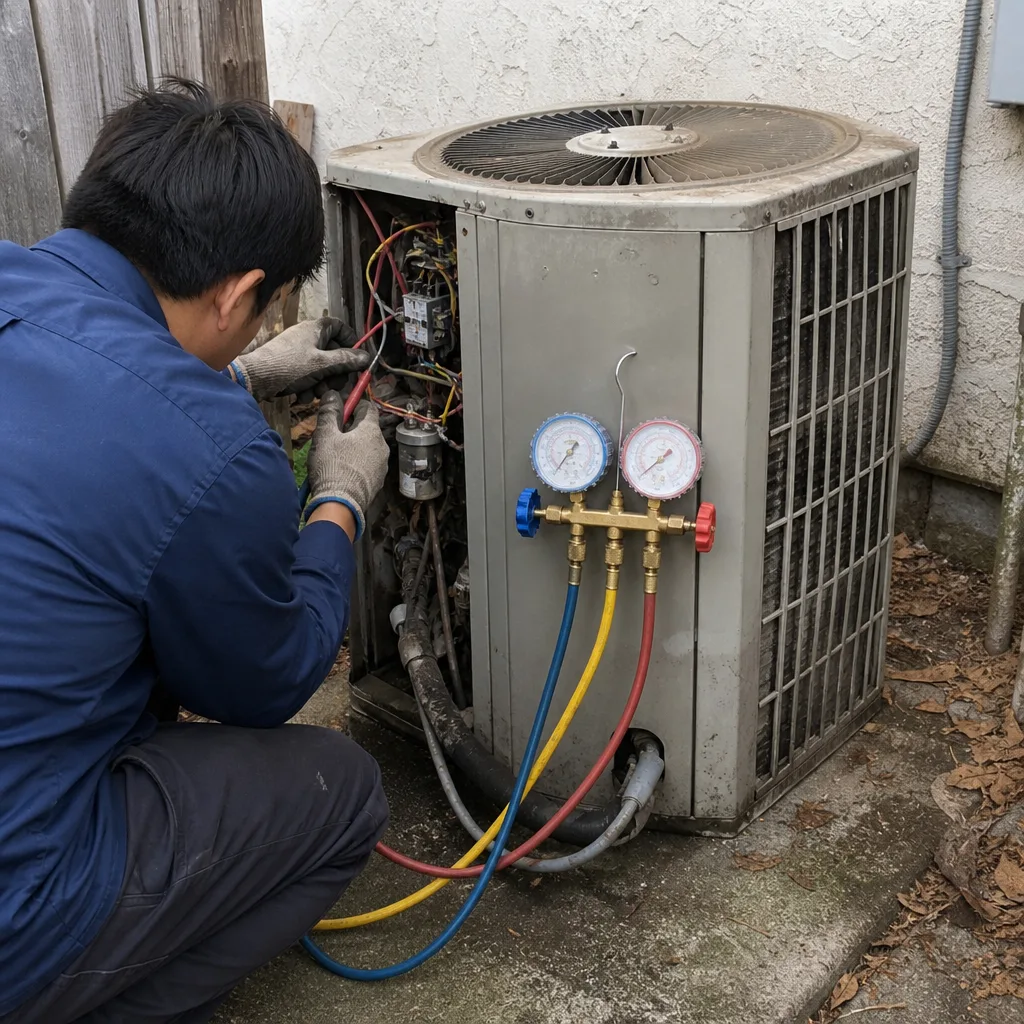 Before
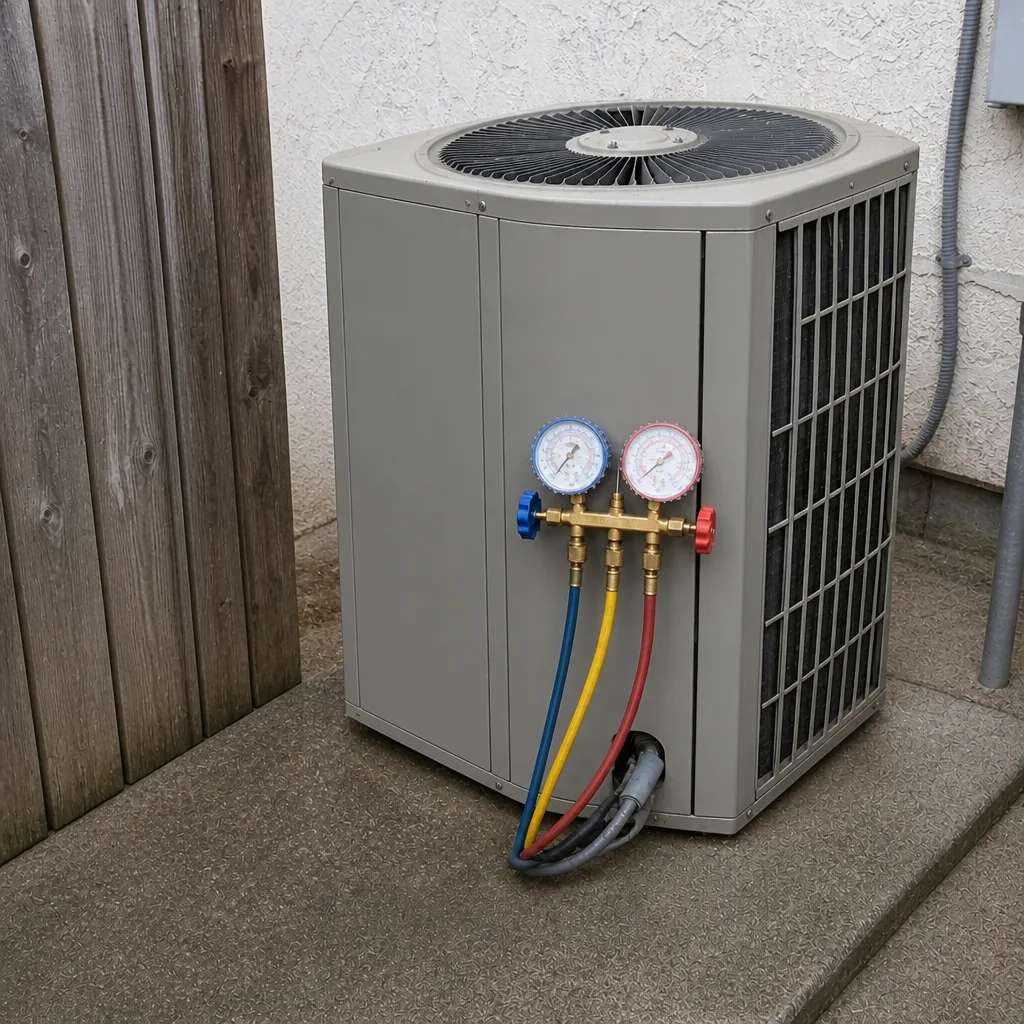 After
When to Call a Professional
Call a professional the moment you can check off any of these: a smell of burning or hot plastic, a breaker that trips more than once, buzzing near any electrical panel or disconnect, a rotten-egg smell near the furnace, or a system that runs nonstop and can’t hold the set temperature. Those are same-day symptoms – please don’t wait. On the other side, call for a scheduled diagnostic if you’re seeing longer run times, a musty smell, a supply-air drop under 10°F, one room that lags, or a repair log that’s getting longer on a system over 12 years old. We can be specific about what’s happening with Carrier, Trane, Lennox, Goodman, Rheem, York, Daikin, Bryant, and American Standard systems, and we work on both the cooling and heating sides, so a single call can resolve AC and furnace issues together. AC Repair Santa Clara offers free estimates in Santa Clara – call (833) 439-0749. We answer 24/7. Fast dispatch from 7am to 7pm, Sunday through Friday.
Frequently Asked Questions
Most residential systems in Santa Clara last somewhere between 12 and 18 years with regular maintenance, with the outdoor condenser and the indoor coil aging at different rates. In practice, the equipment doesn’t fail as a single unit; one component gives out first, and the question becomes whether the remaining life justifies the repair. Once a system passes 12 years and needs two or more repairs within a year, we’re usually having a replacement conversation rather than a repair one. Call (833) 439-0749 for a free estimate if you want that decision evaluated on your specific equipment – estimates are free.
Not necessarily, but it’s a real warning sign that deserves a diagnostic. Two causes account for most of these calls: the system has lost refrigerant capacity, or airflow is restricted by a clogged coil, dirty filter, or failing blower. A third cause, common on systems over 12 years old, is a compressor that has lost enough efficiency to struggle on hot afternoons. Grab your thermostat reading, note how long it runs, and call (833) 439-0749 – a diagnostic clears up which of the three you’re facing.
It can be, and it should be treated as a same-day concern. Buzzing from an outdoor disconnect or breaker panel usually points to a loose connection or a failing contactor, and both cause heat at the connection point that can damage components or worse. Do not open the panel to investigate. Turn the system off at the thermostat, and if the buzzing continues after the breaker is off, leave that breaker alone. Call (833) 439-0749 and we’ll dispatch a technician – we answer 24/7, with fast dispatch 7am to 7pm, Sunday through Friday.
The difference is whether it reaches the set point. Working hard during a Santa Clara heat wave looks like longer run times and slow recovery after cooking or opening windows, but the system still gets there. Failing looks like the indoor temperature drifting up and staying up, supply air that’s only slightly cool, or the system running nonstop with no progress. An inexpensive infrared thermometer settles the question in about 15 minutes – measure the return and supply air, and if the drop is under 10°F, that’s a failure, not a heat wave. Call (833) 439-0749 to schedule a diagnostic – the estimate is free.
Repair is usually the right call if the system is under 12 years old and has one identified problem. Replacement usually starts making sense when the system is past 12 years, has needed repeated refrigerant or component repairs, and the repair cost plus the next likely repair adds up to a meaningful fraction of a new system. We don’t default to replacement – we’ll tell you which fix makes sense on your existing equipment, and if replacement is the honest answer, we’ll say so plainly. Call (833) 439-0749 for a free estimate.
Yes, in many cases. We work on both the cooling and heating sides of the system, and connected problems (a blower motor, a thermostat, a shared control board) often surface on both. That’s the reason one call can resolve an AC issue and a furnace issue at the same time, rather than handing you off to a different contractor midway. Call (833) 439-0749 – we’ll tell you on the phone what we can cover in a single visit.
The Bottom Line
The HVAC warning signs that matter most are almost never the dramatic ones. They’re the small shifts: a system that runs longer without delivering, supply air that’s cool but not cold, a new sound, a musty smell, a breaker that trips once. Reading those signs is a skill, and the best tool for it is a $12 infrared thermometer plus a written log of what you’re noticing and when. If the sign is electrical, treat it as a hazard and call today. If it’s a performance drift, schedule a diagnostic before the next heat wave or cold snap forces the issue. On a system past 12 years, repair-or-replace becomes a real question, and a technician familiar with your exact equipment is the person to ask. We’re certified on nine major residential HVAC brands, we work on both the AC and furnace, and we focus only on heating and cooling. Call (833) 439-0749 for a free estimate, or to talk through the symptoms you’re seeing.
Written by the team at AC Repair Santa Clara.