
Last updated November 14, 2026
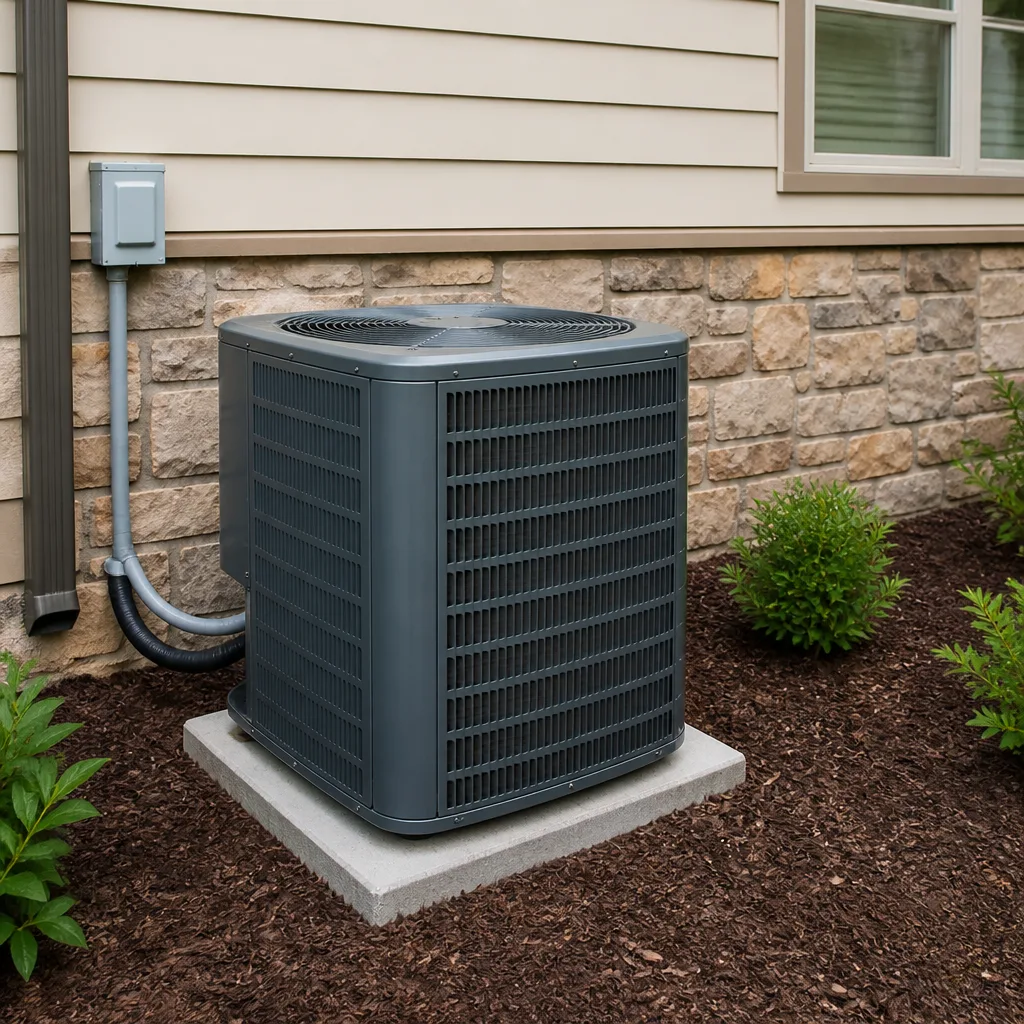 AC repair
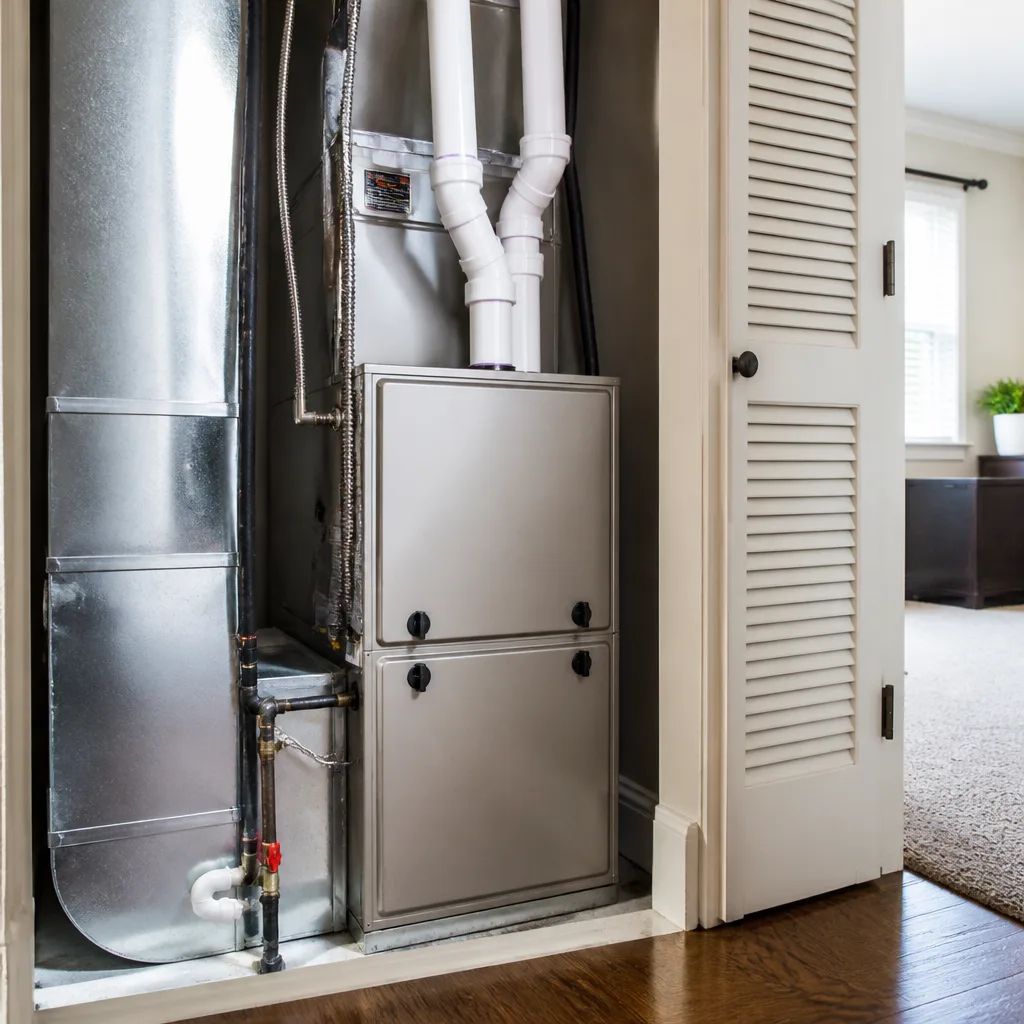 Furnace & heating
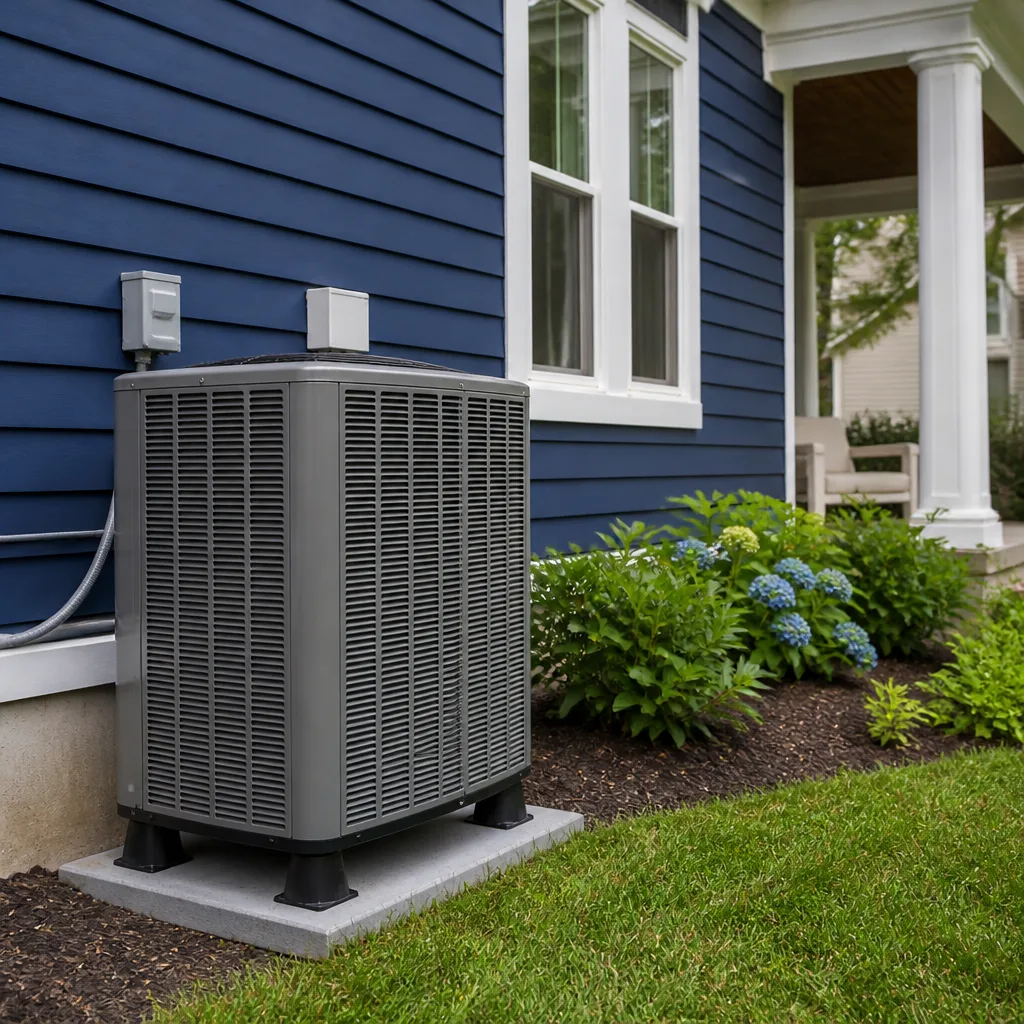 Heat pumps
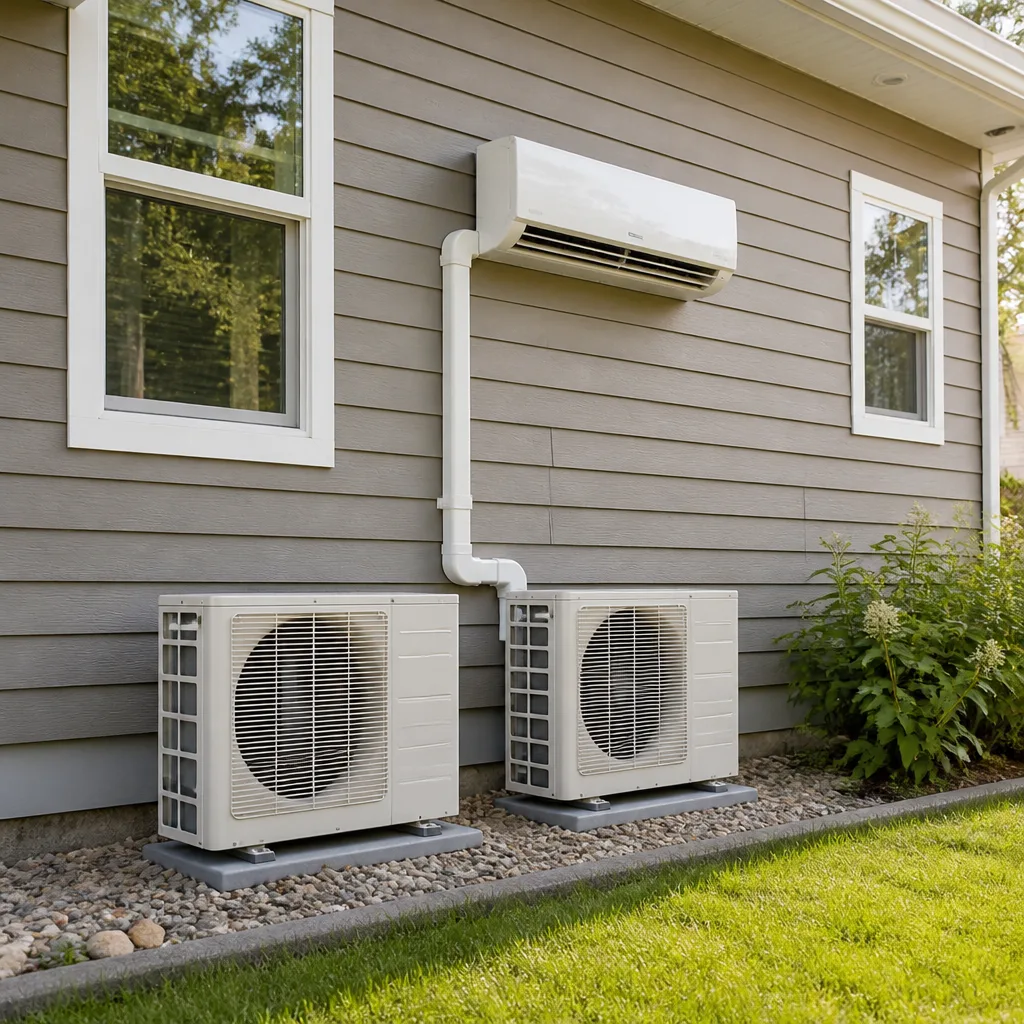 Ductless mini splits
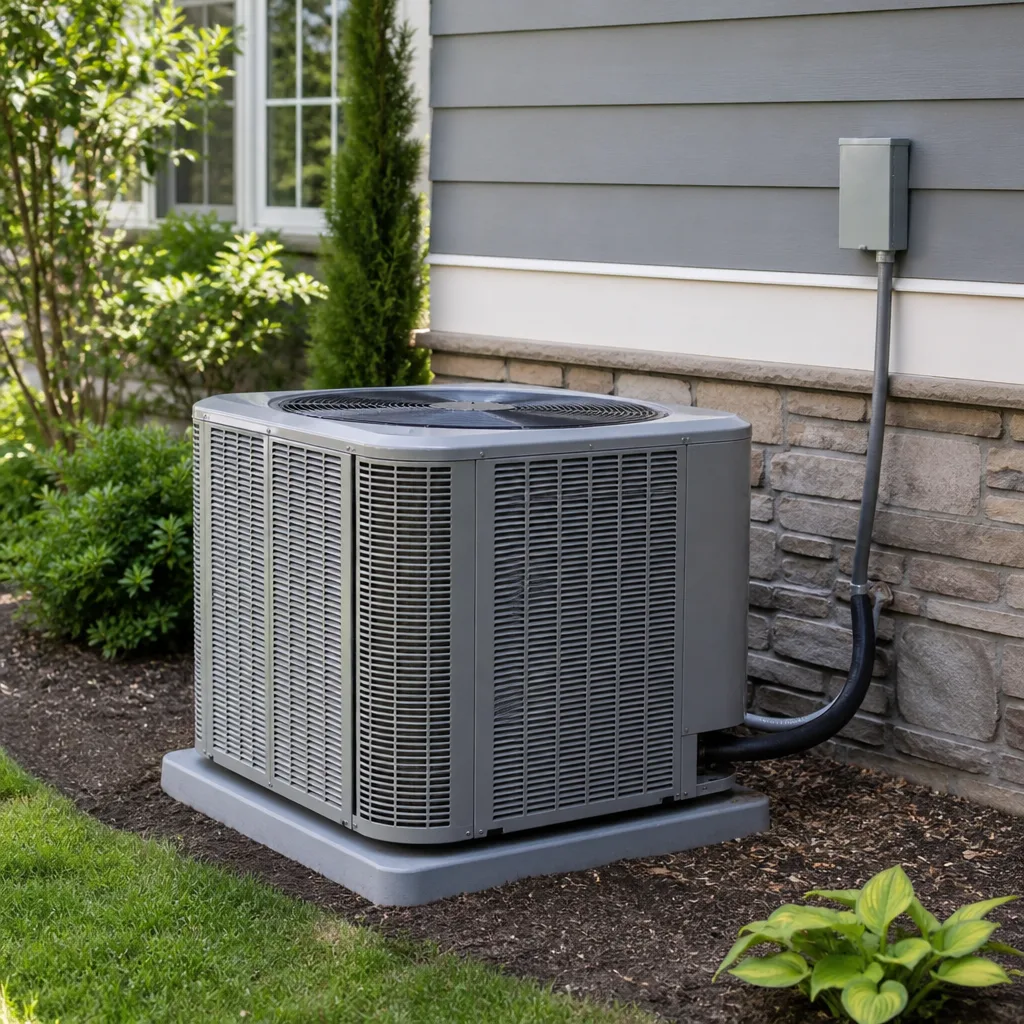 Carrier
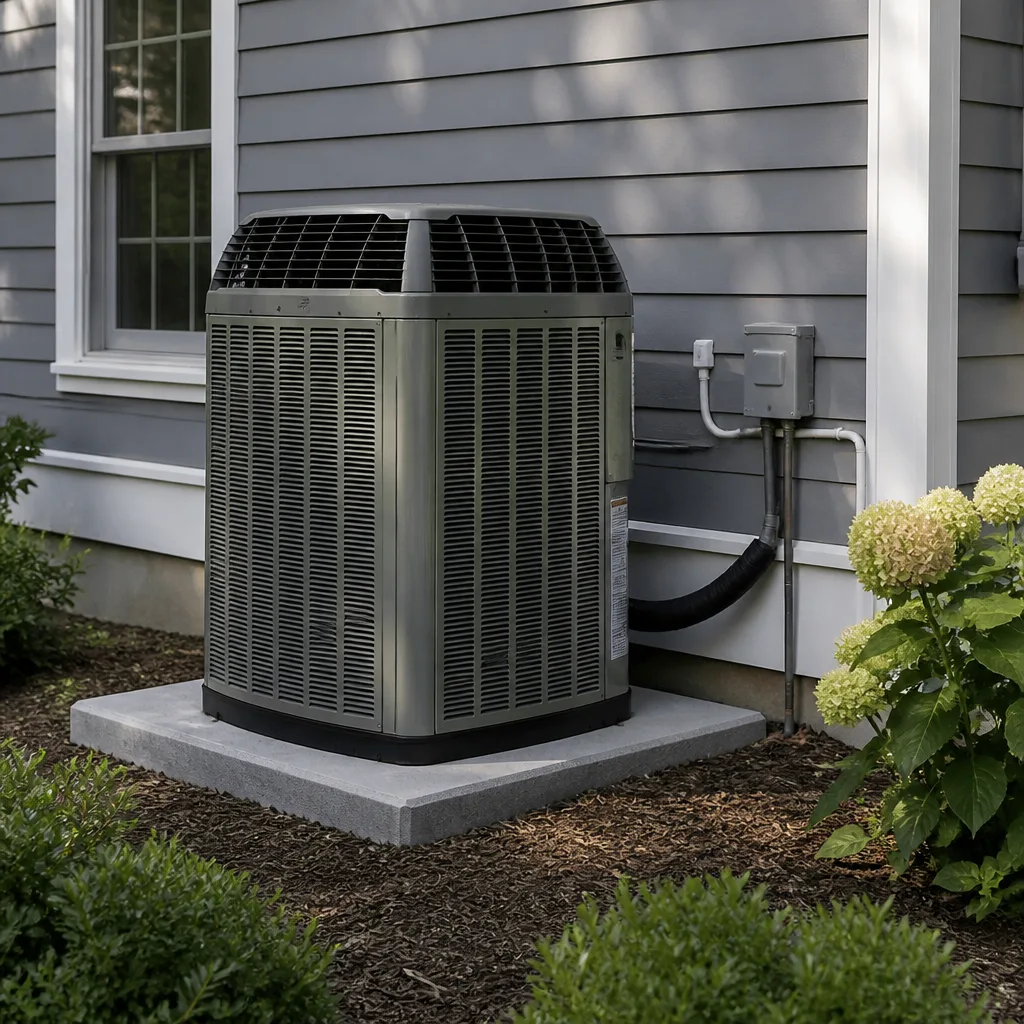 Trane
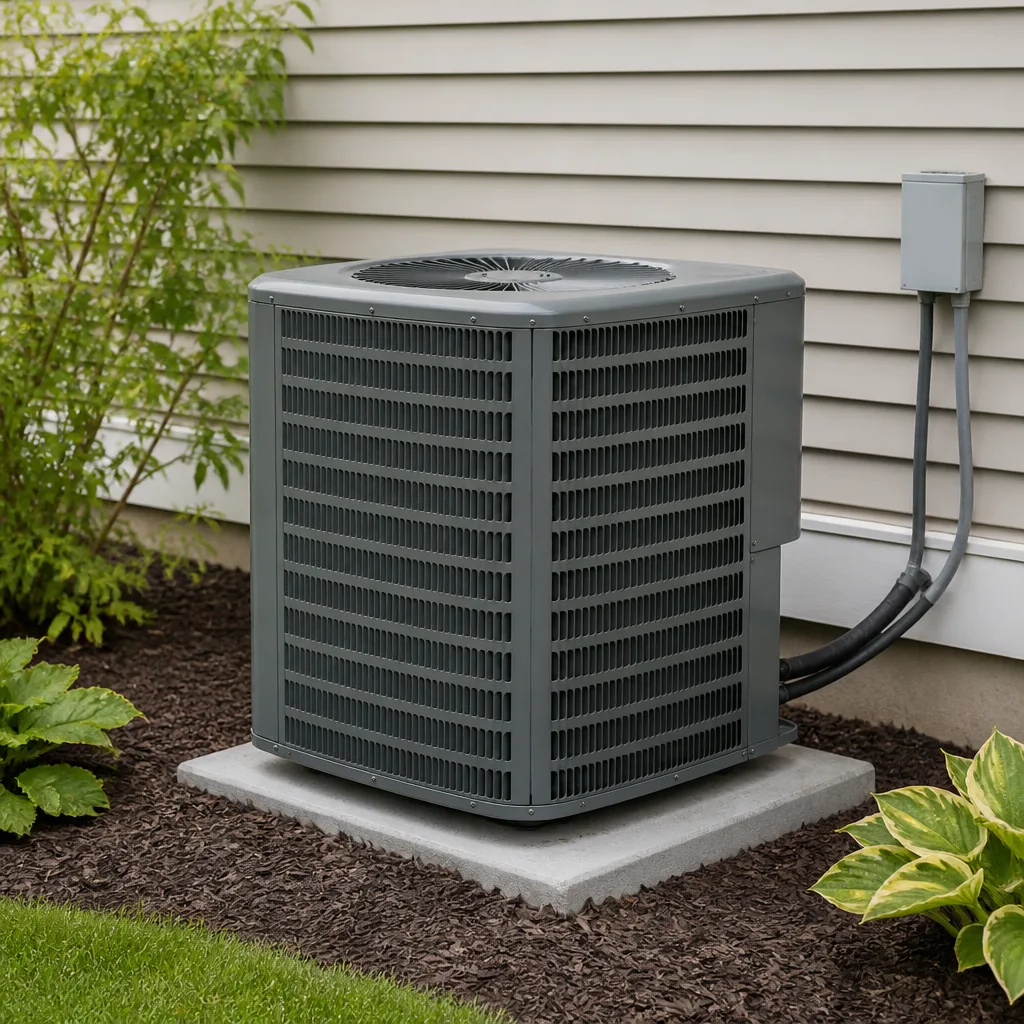 Goodman
Seasonal tune-up and full diagnostic on your Carrier, Trane, or Goodman system - readings shown to you before any repair is proposed
Diagnosis first, numbers second - you approve the repair price before a single part goes in.
Get your free estimateHVAC Permits, Codes & Inspections in Santa Clara, CA: What You Need to Know
Most homeowners assume the permit is the contractor’s problem. It isn’t. The permit is issued to the property, and when HVAC work is done without one, the liability transfers to whoever owns the house when the paperwork gets checked. That check usually arrives at the least convenient moment: a home sale, an insurance claim, or a city inspection triggered by a neighbor’s remodel. This guide walks through what actually requires a permit in Santa Clara, what California’s Title 24 energy rules demand of replacement equipment, what a Santa Clara building inspector looks at, and how to legalize work that was done without a permit before it becomes someone else’s bargaining chip.
Styles & brands we work with
- AC repair
- Furnace & heating
- Heat pumps
- Ductless mini splits
- Carrier
- Trane
- Goodman
Quick Answer
In Santa Clara, replacing or installing an HVAC system, modifying ductwork, and any associated electrical panel work all require a building permit. The permit must be pulled before work starts, the equipment has to meet California Title 24 energy requirements (including current SEER2 minimums), and the job needs to pass a Santa Clara Building Inspection before it’s considered legal. Unpermitted HVAC work typically surfaces during a home sale or an insurance claim, and the cost of correcting it falls on the homeowner, not the contractor who skipped it.
Table of Contents
- What HVAC Work Requires a Permit in Santa Clara?
- What Does California Title 24 Actually Require?
- What Does the Santa Clara Inspection Actually Check?
- How the Permit and Inspection Process Works, Step by Step
- How Unpermitted HVAC Work Surfaces in a Home Sale
- Why Insurance Claims Care About Permits
- How to Legalize Existing Unpermitted HVAC Work
- Santa Clara Climate and Why Code Compliance Matters Here
- Common Mistakes to Avoid
- When to Call a Professional
- Frequently Asked Questions
- The Bottom Line
What HVAC Work Requires a Permit in Santa Clara?
Any work that changes the equipment, the fuel source, the electrical circuit feeding it, or the duct system requires a permit in Santa Clara. Straight repairs, like swapping a failed capacitor or replacing a blower motor, generally don’t. The dividing line is whether the work alters the system’s capacity, efficiency rating, or configuration.
Work That Requires a Permit
- Full system replacement – removing an existing furnace or air conditioner and installing new equipment, including like-for-like swaps
- New installations – adding central air to a home that previously had none, or adding a second system
- Duct modifications – adding, removing, rerouting, or resizing supply and return runs, plus sealing work that changes the calculated airflow
- Electrical work associated with the equipment – new dedicated circuits, panel upgrades, disconnect replacements, and breaker changes needed to support new equipment
- Refrigerant line changes – new line sets, rerouted lines, or changes to the refrigerant type the system uses
- Gas line work at the furnace – new gas connections, valve replacements, and flue or venting changes
Work That Usually Doesn’t
- Replacing a thermostat with a comparable model (no new wiring)
- Replacing a capacitor, contactor, ignitor, flame sensor, or blower motor
- Cleaning coils or changing filters
- Diagnostic work and repair of an existing, unaltered component
The line isn’t always obvious from a homeowner’s seat. A thermostat swap that adds a common wire and a new control circuit starts to look like electrical work. A “quick” duct fix that removes a run changes the system’s static pressure and the Title 24 compliance calculation. In our experience, the safest rule is: if the scope touches the equipment, the ducts, or the electrical and gas connections at the equipment, call the Santa Clara building department and ask before assuming it’s exempt.
What Does California Title 24 Actually Require?
Title 24 is California’s building energy efficiency standard, and it applies to every HVAC replacement in Santa Clara, not just new construction. When you replace a furnace, an air conditioner, or a whole split system, the new equipment has to meet the efficiency thresholds in effect at the time of the replacement, and the permit application has to document that it does.
SEER2 Minimums and What They Mean in Practice
Since 2023, air conditioners and heat pumps sold in California must meet SEER2 ratings, a newer testing standard that produces numbers a few points lower than the old SEER scale for the same equipment. That means a system that looked compliant on paper under the old standard may no longer qualify. In practice, when we quote a replacement in Santa Clara, the model number has to map to a compliant SEER2 rating for a split system in this climate zone, and the contractor should be able to show you that rating before you sign. Homeowners who buy a closeout unit online or from a liquidator often discover the rating doesn’t clear Title 24, and the unit can’t legally be installed.
Refrigerant Transition Requirements
California has been phasing down high-global-warming-potential refrigerants, and the rules affect which refrigerant a new system can use. R-410A, the standard for two decades, is being replaced in new equipment by lower-GWP alternatives. When we service Trane, Lennox, Goodman, or Rheem systems in Santa Clara, we check which refrigerant the equipment is designed for, because mixing refrigerants or installing a system charged with an unapproved refrigerant won’t pass inspection. If you’re buying equipment yourself, this is one of the fastest ways to end up with a unit that can’t be legally commissioned.
Duct Sealing and Insulation
Title 24 also covers duct leakage and insulation values in specific cases, particularly when ductwork is altered or when the system is replaced as part of a larger remodel. Your contractor should be able to tell you whether duct testing is required for your scope of work. In our experience, this is where most do-it-yourself replacements fall apart: the equipment passes, but the duct leakage test doesn’t.
What Does the Santa Clara Inspection Actually Check?
A Santa Clara building inspection for HVAC work is not a full system performance test. It’s a checklist confirming the installation matches the permit and the code. Knowing what’s on that checklist helps you understand what your contractor is responsible for and what to look at yourself before the inspector arrives.
The Core Inspection Checklist
- Permit and approved plans on site – the inspector confirms the work matches what was approved, including equipment model and location
- Equipment match to the application – the installed model number and efficiency rating match the permit and Title 24 documentation
- Electrical connections and disconnects – correct circuit sizing, proper disconnect at the unit, bonded and grounded as required
- Gas piping and flue/venting – for furnaces, proper gas connection, shutoff valve, and correct venting material and slope
- Refrigerant lines and insulation – line set properly supported, insulated, and protected where it passes through walls
- Condensate management – primary and secondary drain lines routed correctly, with a pan and float switch where required
- Clearances and access – service access, working clearances around the equipment, and correct placement of the outdoor unit
- Duct sealing and testing – when required by the scope, duct leakage results documented and within the allowed threshold
- Combustion air and safety devices – for gas furnaces, adequate combustion air and functioning safety switches
- Final sign-off – the inspector signs the permit card, which becomes part of the property record
Two things happen with that final sign-off. The permit closes, which means the work is legal and documented, and the record sits with the city. If you ever sell, refinance, or file an insurance claim, that record is the proof you’ll need. Without it, you’re relying on the contractor’s word, and contractors move on. If you’re unsure whether your current system was permitted, our AC Repair Santa Clara team can look at the install and tell you what we see before an inspector does.
How the Permit and Inspection Process Works, Step by Step
The Santa Clara permitting process is not difficult, but it has a sequence, and getting the order wrong is what causes problems. Here’s how a properly permitted HVAC job runs.
- Contractor pulls the permit before any work begins. The permit is applied for with the scope of work, equipment specifications, and Title 24 compliance documentation. This can be done online or at the counter, and the contractor handles it, not the homeowner.
- The permit is issued and the equipment is ordered. Nothing should be installed until the permit is in hand. If the permit is issued for a specific model, that model is what gets installed.
- Rough-in inspection, when required. For new installations or work involving new circuits, duct changes, or gas line work, the inspector may need to see the rough installation before the equipment is fully closed up. Your contractor should schedule this, not you.
- Equipment installation and commissioning. The system goes in, refrigerant charge is set, airflow is verified, and the contractor records the startup readings.
- Final inspection. The inspector walks the job against the checklist above. If something fails, the contractor corrects it and reschedules. This is where most delays occur, and they’re usually minor.
- The permit is finalized and the record is closed. Save a copy of the finalized permit. It’s the documentation you’ll want if you ever sell or file a claim.
The part homeowners miss is step one. If a contractor offers to “start today and pull the permit later” or “do it without a permit to save time,” the risk transfers to you, not them. Ask for the permit number before the truck pulls up, and if you don’t get one, pause the job. Our AC installation work is quoted with the permit included in the scope, because a replacement without one is a replacement the next owner may have to redo.
How Unpermitted HVAC Work Surfaces in a Home Sale
Unpermitted HVAC work is one of the most common disclosure problems in Santa Clara real estate, and it usually comes up during escrow, not during the years the homeowner lived with it. A buyer’s inspector, a title search, or a permit history check will surface work that has no matching record, and the seller is the one holding the bag.
Where It Shows Up
- Home inspection reports flag missing permit records and recommend verification
- Title and permit history searches pull the city’s record, and a replacement with no permit is visible when the equipment age doesn’t match the record
- Appraisal notes can call out equipment that looks newer than any documented installation
- Buyer’s lender requirements sometimes require proof of permitted work for certain loan types
When unpermitted work is discovered, the seller typically has three choices: legalize it before closing (slowest but cleanest), credit the buyer for the cost of legalizing it, or lose the sale. In a competitive Santa Clara market, buyers often use unpermitted work as a negotiation lever. The seller who paid for the original install ends up paying again for the correction, and in some cases the correction requires redoing part of the installation to bring it up to current code. The contractor’s name on the original invoice won’t help you, because the permit obligation belongs to the property.
Why Insurance Claims Care About Permits
Insurance carriers look at permits differently than inspectors do, and the stakes are higher. A claim for water damage from a failed condensate line, a fire traced to an improperly connected furnace, or a refrigerant leak can be reduced or denied if the equipment installation has no permit on record. The carrier’s position is straightforward: an unpermitted installation is an uncertified installation, and they aren’t obligated to cover work that was never inspected.
Two patterns come up in Santa Clara. First, a claim against the homeowner’s policy for damage caused by an unpermitted system. Second, a warranty claim against the equipment manufacturer, which may be honored for the equipment itself but won’t cover the collateral damage. In both cases the missing permit gives the insurer a reason to push back. If you’re about to file a claim involving your HVAC system, pull the permit record first. If there isn’t one, get the system inspected and legalized before the adjuster’s report is finalized, or you may find yourself paying for the correction and the damage.
How to Legalize Existing Unpermitted HVAC Work
Discovering unpermitted HVAC work before you sell is a much better outcome than discovering it during escrow. Santa Clara has a process for retroactive permitting, and it’s far less painful than most homeowners expect, as long as the installation is physically sound.
- Verify there’s no existing permit. Pull the permit history for the property through the city. Sometimes a permit was pulled and never finalized, which is a much easier fix than a true absence.
- Have the installation inspected before applying. A technician familiar with the equipment can tell you whether the system is safe and code-compliant at the time it was installed. If it isn’t, correcting it now is cheaper than correcting it later.
- Apply for the permit as an after-the-fact legalization. The application describes the work already done and includes the equipment specs and current compliance documentation.
- Correct any deficiencies the inspector identifies. Common corrections include missing disconnects, improper venting, insufficient clearances, and inadequate condensate management.
- Complete the final inspection. Once it passes, the permit closes and the work is documented. The record is what protects you at the next sale.
If the equipment itself predates current Title 24 thresholds, the legalization may require replacing it rather than just documenting it. That’s the scenario that costs twice. The earlier you find out, the more options you have. When we look at an existing install as part of our AC repair work, we note permit-related issues so homeowners can choose to address them before a sale forces the question.
Santa Clara Climate and Why Code Compliance Matters Here
Santa Clara sits in a mild climate zone, and that shapes what the code cares about. Winters here are mild enough that furnace sizing is forgiving, but the long cooling season means air conditioning runs for months, and a system that’s undersized, oversized, or improperly installed shows up in the electric bill every summer. That’s why Title 24 weighs the efficiency rating and the duct leakage so heavily for this climate – the system is running too many hours for sloppy installation to be harmless.
Housing age matters too. Santa Clara’s housing stock runs from mid-century single-story homes in neighborhoods like Old Orchard and the areas around Santa Clara University to newer construction on the north side of town. Older homes often have duct systems that were never designed for the equipment now connected to them, and that mismatch is where the code catches installations short. A system that’s been “working fine” in a mid-century home can still fail duct leakage testing when it’s replaced, and the replacement permit is what puts it in front of an inspector.
If you’re in Santa Clara and unsure how the climate and housing on your block affect a replacement, that’s exactly the conversation we have before quoting. Undersizing to save cost on the equipment line item is the most common mistake we see, and it’s one the code and the comfort level in July both catch.
Common Mistakes to Avoid
- Trusting a verbal “it doesn’t need a permit.” Contractors who skip permits on replacements create a problem that surfaces later. Ask for the permit number in writing before work begins, and if they push back, find someone who’ll pull it.
- Buying equipment online before checking Title 24 compliance. A closeout unit that doesn’t meet current SEER2 requirements for this climate zone can’t be legally installed. Check the model number with your contractor before you buy.
- Assuming a like-for-like swap is exempt. Replacement of an existing system with the same size is still a permitted, inspected job in Santa Clara. The exemption applies to repairs, not equipment changes.
- Forgetting the electrical side. A new system often needs a dedicated circuit or a panel upgrade, and those are separate permits or scope items. A contractor who quotes the equipment only and “forgets” the electrical permit will leave you with an incomplete inspection.
- Not saving the finalized permit. The signed permit record is the document you’ll reach for at a home sale or an insurance claim. Store it with the equipment warranty paperwork.
- Waiting until escrow to legalize unpermitted work. Legalizing a previously installed system takes time and corrections. Starting before the sale is on the calendar gives you options; discovering it during the buyer’s inspection does not.
- Ignoring duct issues on older homes. A replacement in a mid-century Santa Clara home often needs duct sealing or repair to pass. Quoting the equipment alone and discovering the duct requirement at inspection is the most common cost overrun we see.
When to Call a Professional
Some permit questions you can answer yourself by calling the Santa Clara building department. A few are worth a technician’s eyes first. Call us if you’re about to replace a system and want a clear answer on whether a permit is required and what it will cover; if you’ve discovered unpermitted HVAC work and want an honest read on whether the installation will pass an inspection or needs correction; if your existing system is failing and you’re deciding between repair and replacement, since the decision affects the permit scope; or if you’re in escrow and the buyer’s inspector flagged the equipment. Our technicians have up to 11 years of experience and are familiar with the equipment brands most Santa Clara homes have, including Trane, Lennox, Goodman, and Rheem systems, so the inspection you get is a real one, not a pitch. AC Repair Santa Clara offers free estimates in Santa Clara – call (833) 439-0749. We answer 24/7. Fast dispatch from 7am to 7pm, Sunday through Friday.
Frequently Asked Questions
Yes. Replacing an air conditioner or furnace in Santa Clara requires a building permit, even if the new unit is the same size as the old one. The permit covers the equipment, the electrical connection, and any associated Title 24 compliance documentation, and the job must pass a final inspection. Call (833) 439-0749 for an exact quote on a permitted replacement – estimates are free.
Unpermitted HVAC work usually surfaces during the buyer’s inspection or the title search, and the seller typically has to legalize the work before closing or credit the buyer for the cost. Sometimes the correction requires redoing part of the installation to meet current code, which means paying twice. Getting it legalized before a sale is on the calendar is almost always cheaper.
Yes, Santa Clara has a process for after-the-fact permitting. You or your contractor apply for the permit describing the work already done, the inspector reviews the installation, deficiencies get corrected, and the final inspection closes the record. If the equipment predates current efficiency standards, replacement may be required instead of documentation. Call (833) 439-0749 if you want a technician to assess the installation first – estimates are free.
The inspection confirms the installation matches the permit and the code checklist: equipment model and efficiency rating, electrical connections and disconnects, gas piping and venting for furnaces, refrigerant line insulation and support, condensate management, clearances and access, and duct leakage where required. It is not a full performance test, but failures at any of those points delay the final sign-off.
Title 24 applies to replacements, not just new construction. When you replace a system in Santa Clara, the new equipment has to meet the SEER2 minimums in effect for this climate zone, use an approved refrigerant, and pass duct leakage testing where the scope requires it. Your contractor should be able to show you the compliance documentation before you sign.
Pull the permit history for your address through the City of Santa Clara’s building department. You’re looking for a permit that matches the equipment installation date and has a finalized inspection record. If there’s no record, or a permit was opened and never finalized, that’s the signal to get the installation checked before it matters. Call (833) 439-0749 and we’ll tell you what we see – estimates are free.
Homeowners can pull permits for work on their own residence in many cases, but HVAC installation involves refrigerant handling, electrical connections, and gas piping that require licensed trades in California. The equipment also has to meet Title 24 compliance, and the inspection will check the installation against the code regardless of who did it. In practice, a permitted professional install is the only path that reliably passes inspection.
It can. Carriers may reduce or deny a claim for damage caused by an unpermitted system, because the installation was never inspected for code compliance. If you have a claim involving your HVAC system, pull the permit record first. If there isn’t one, get the system inspected and legalized before the adjuster finalizes the report.
The Bottom Line
The HVAC permit in Santa Clara isn’t paperwork for the contractor’s benefit – it’s the record that protects the homeowner at a sale, at an insurance claim, and at any point the city checks the property. Replacement, new installation, duct changes, and associated electrical work all require a permit, and the equipment has to meet Title 24 requirements, including current SEER2 minimums and approved refrigerants. The inspection is a checklist, not a performance test, and knowing what’s on it takes the mystery out of the process. If you’ve discovered unpermitted work, legalize it now rather than at escrow. We work on your brand, we repair first and replace only when it makes sense, and we quote with the permit in scope so the job is documented from day one.
If you’re facing a replacement, a failing system, or an inspection flag on your equipment, call AC Repair Santa Clara at (833) 439-0749 for a free estimate. We handle AC repair, AC installation, and furnace repair with a brand-agnostic approach, and our technicians have up to 11 years of experience with the equipment most Santa Clara homes run. We answer 24/7. Fast dispatch from 7am to 7pm, Sunday through Friday.
Written by the team at AC Repair Santa Clara.
See the difference
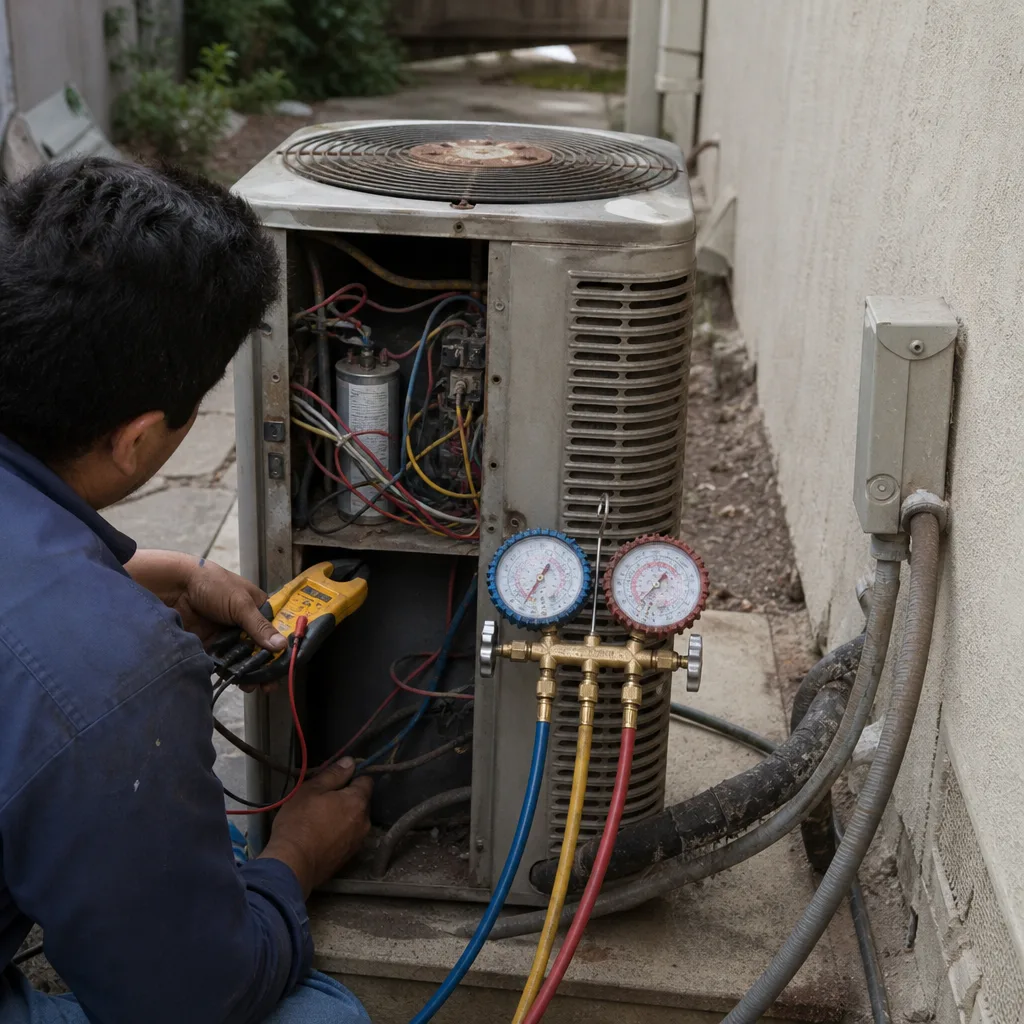 Before
 After
 Before
 After
 Before
 After