
Last updated November 14, 2026
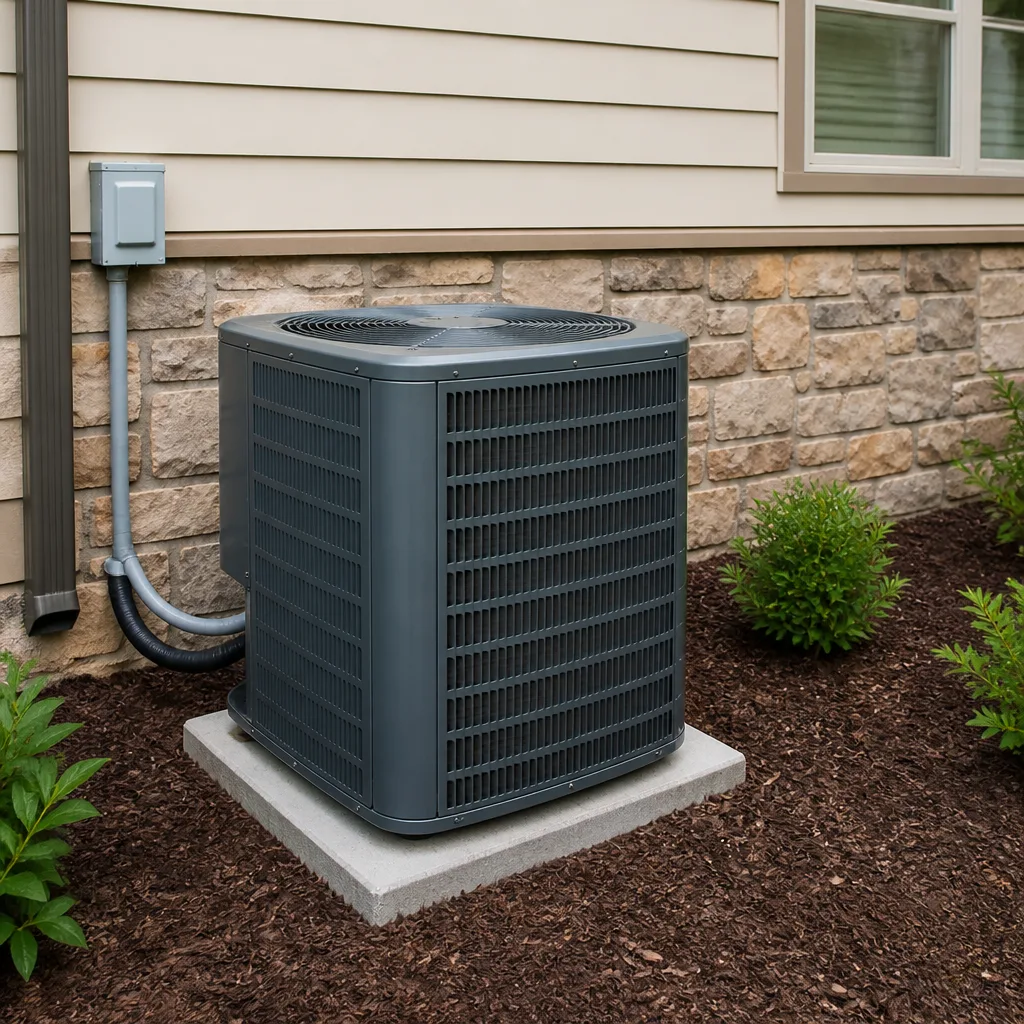 AC repair
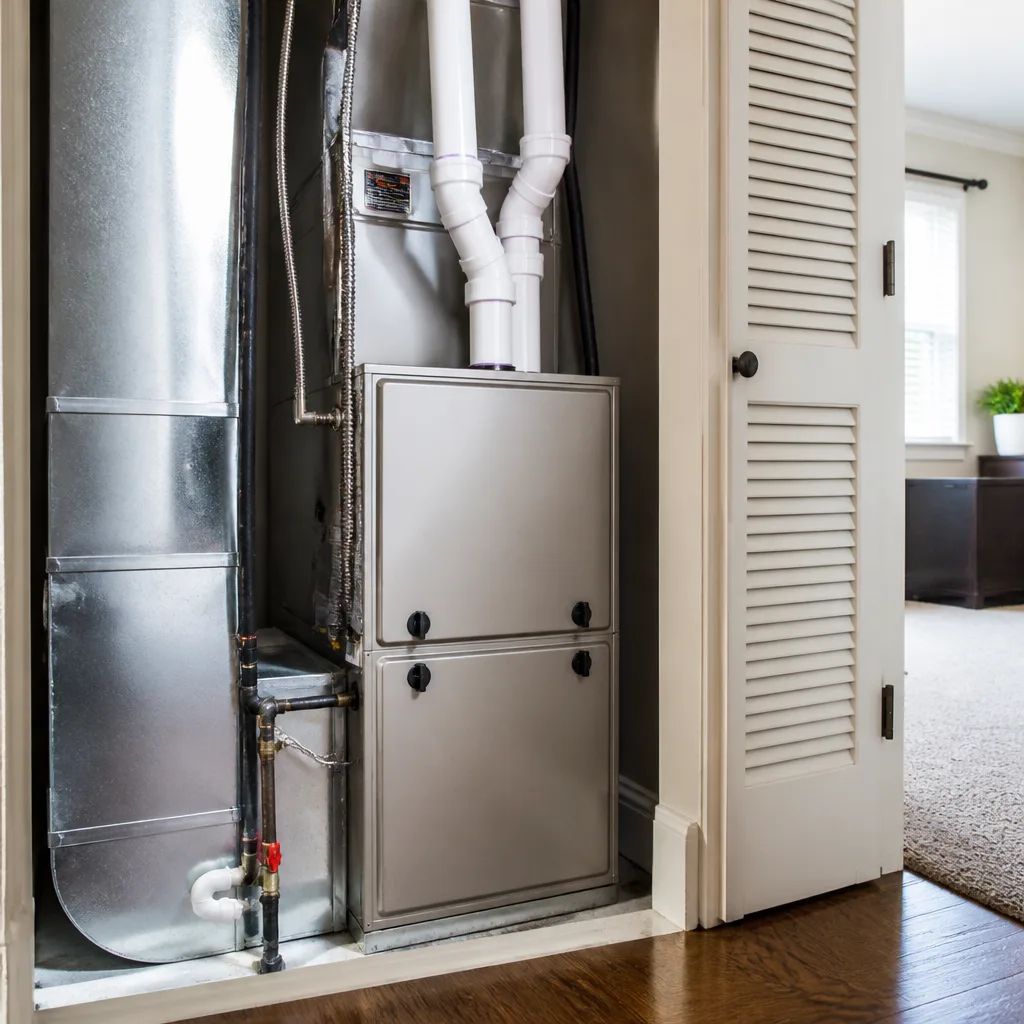 Furnace & heating
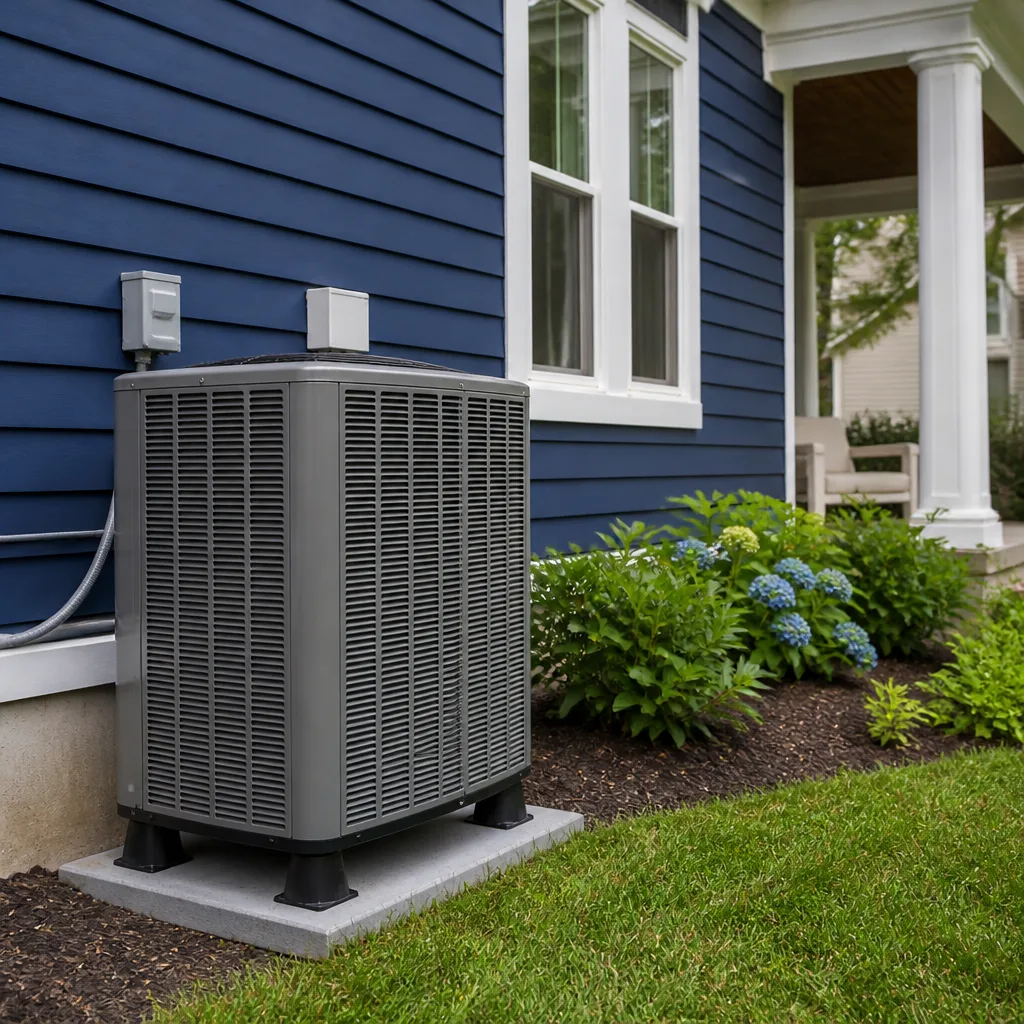 Heat pumps
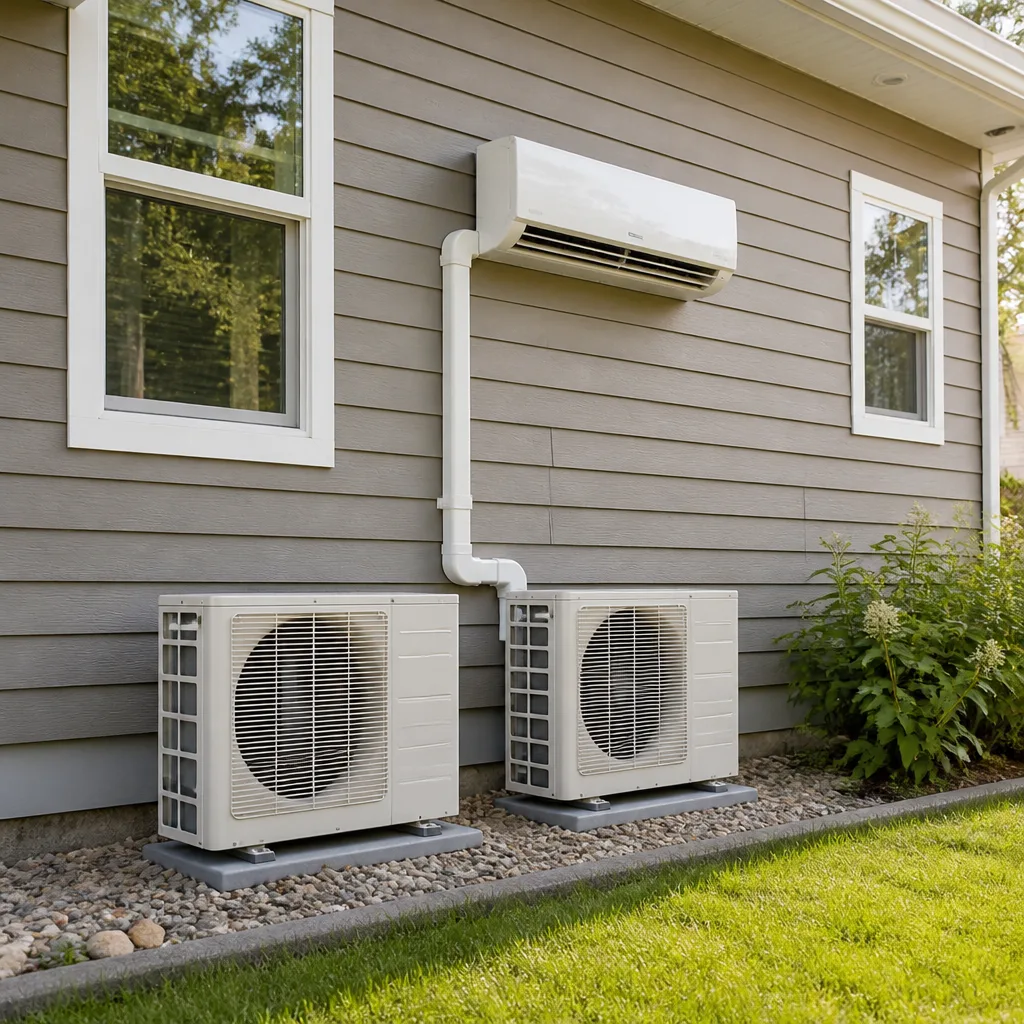 Ductless mini splits
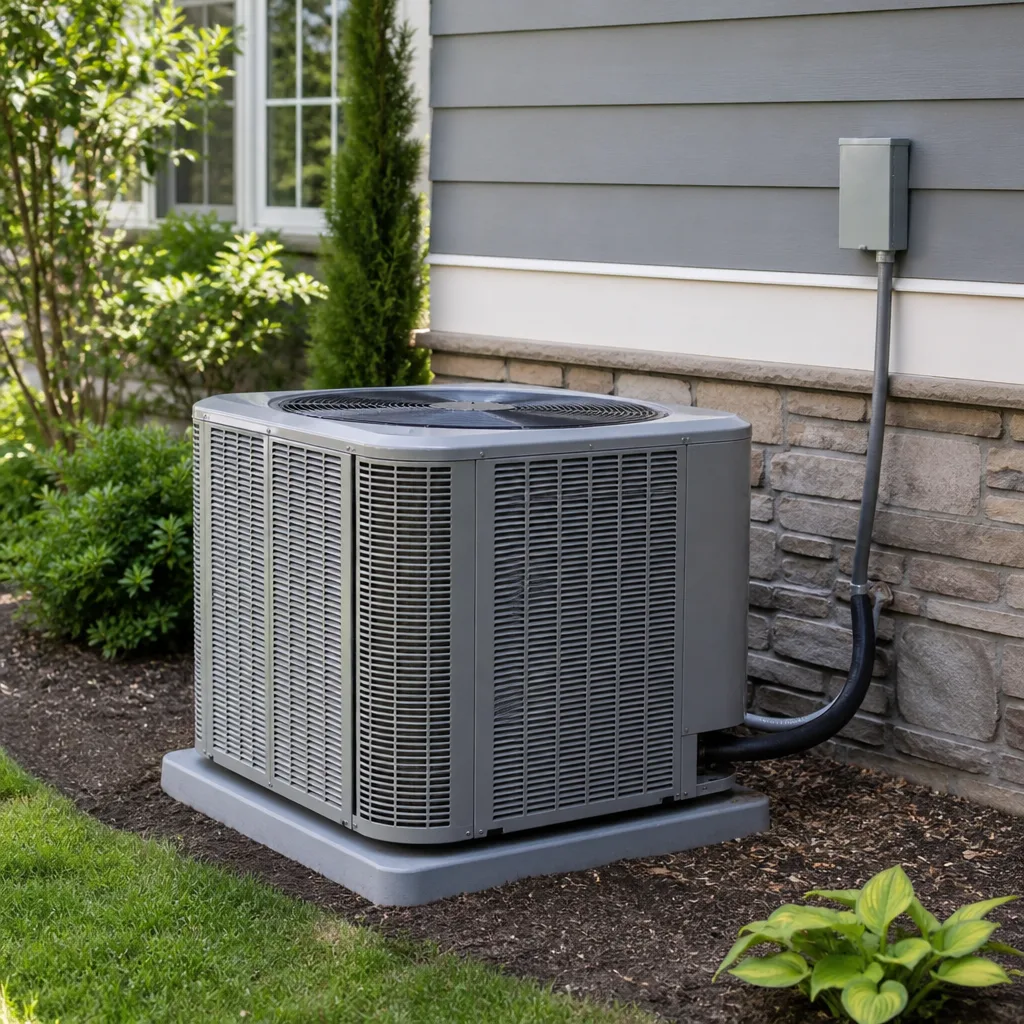 Carrier
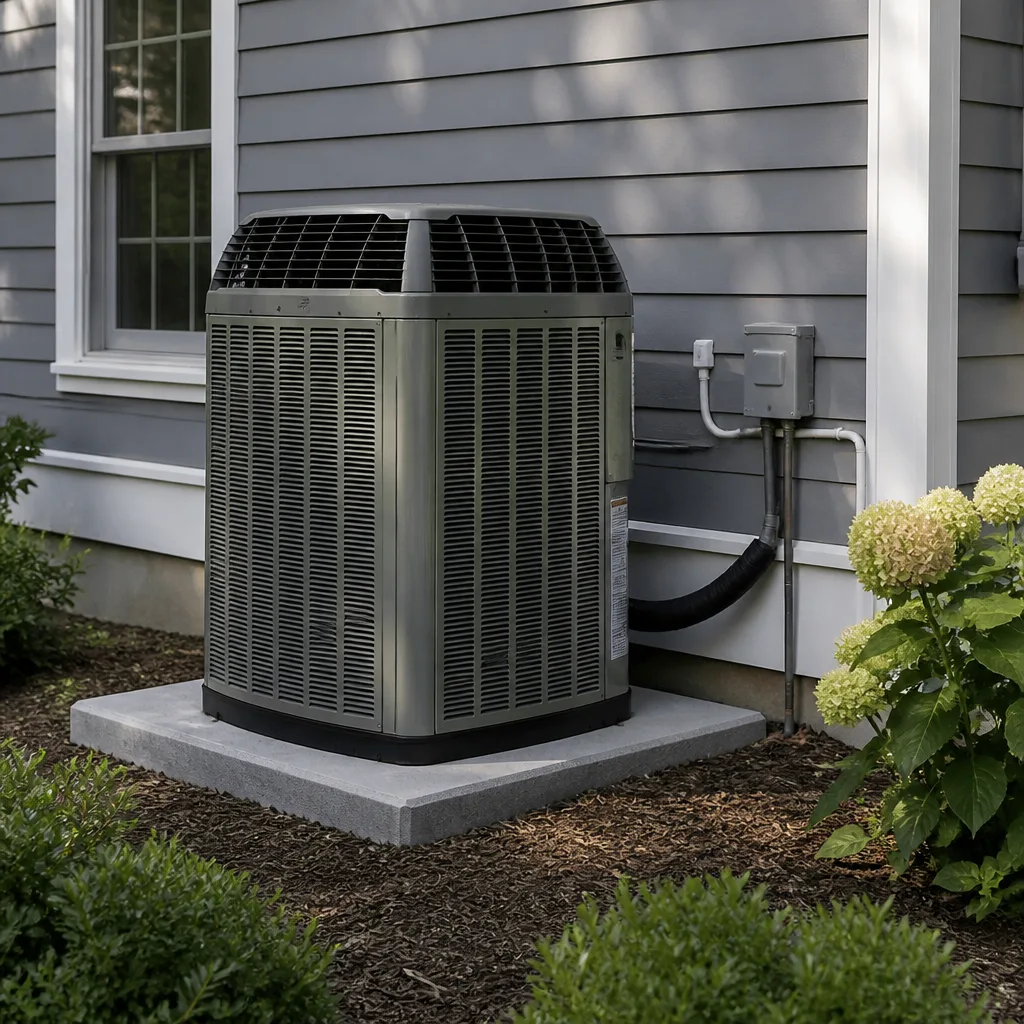 Trane
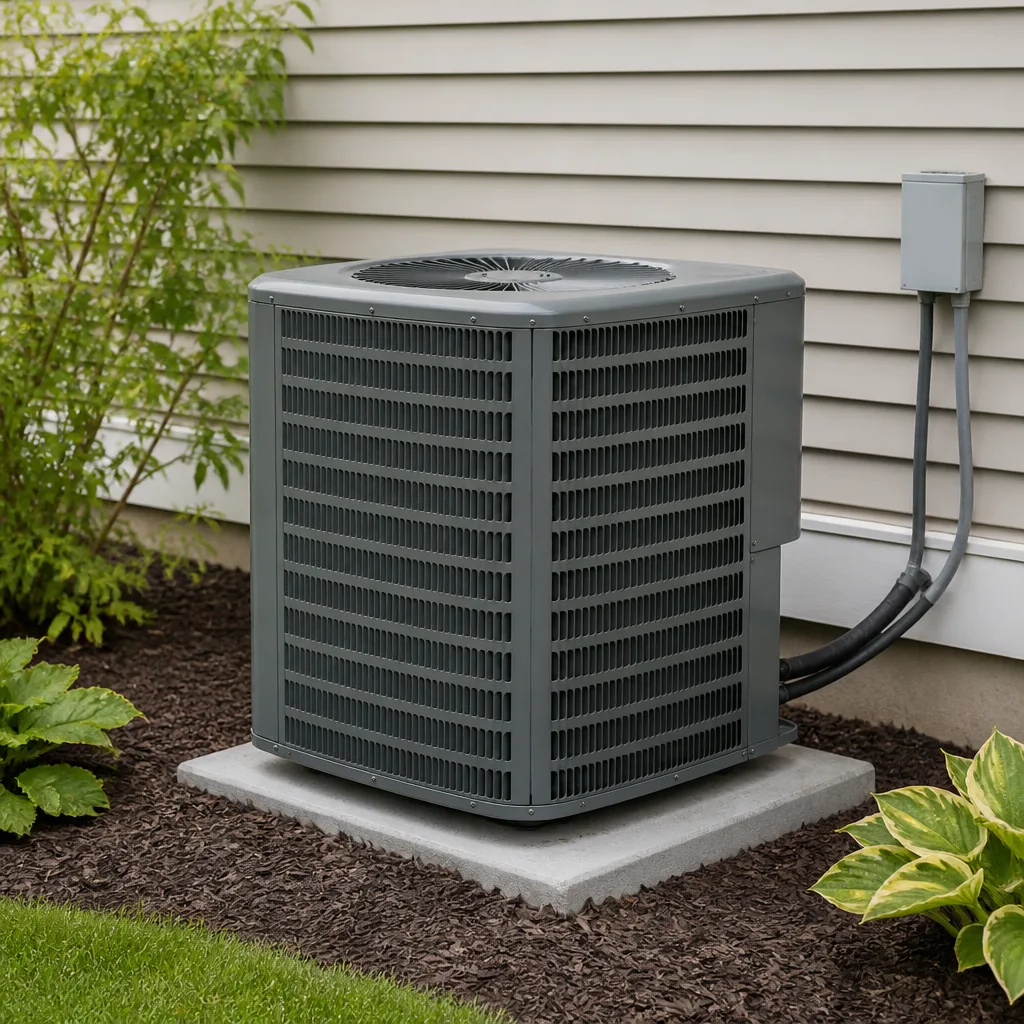 Goodman
Seasonal tune-up and full diagnostic on your Carrier, Trane, or Goodman system - readings shown to you before any repair is proposed
Diagnosis first, numbers second - you approve the repair price before a single part goes in.
Get your free estimateDIY vs Professional HVAC: The Santa Clara Homeowner’s Decision Guide
Most homeowners treat the DIY-versus-professional question as a single decision. It isn’t. It’s a few dozen small decisions, and the right answer changes with each one. Handling refrigerant without EPA Section 608 certification can cost you tens of thousands in federal fines, yet the same homeowner can legally clean a condenser coil, swap a contactor, or seal an accessible duct joint this weekend. We wrote this guide to draw that line precisely for Santa Clara homes, so you spend your own time on the jobs where it pays and hand off the ones where it doesn’t.
Quick Answer
You can safely and legally handle filter changes, coil cleaning, condensate drain maintenance, accessible duct sealing, thermostat replacement, and visual inspections yourself. You cannot legally touch refrigerant without EPA 608 certification, and you shouldn’t attempt electrical diagnostics inside the panel or swap major components without the right license and permit. Anything that involves opening the sealed refrigerant circuit, replacing the outdoor unit, or working inside energized electrical panels belongs to a licensed professional.
Styles & brands we work with
- AC repair
- Furnace & heating
- Heat pumps
- Ductless mini splits
- Carrier
- Trane
- Goodman
Table of Contents
- Why the DIY vs Professional Line Isn’t Where You Think
- The Santa Clara DIY Task List: What You Can Legally Do
- The Repairs You Should Never Attempt
- California Regulations That Govern HVAC Work
- How DIY Attempts Can Void Your Manufacturer Warranty
- Tools That Actually Help vs Tools That Don’t
- How to Do a Credible First-Pass Diagnosis
- When DIY Stops Making Sense Financially
Why the DIY vs Professional Line Isn’t Where You Think
The line most homeowners draw sits too far in one direction or the other. Some won’t touch a screwdriver on their system; others will try to recharge their own refrigerant and put themselves at real legal risk. Both are miscalibrations. The line in California is drawn mostly by federal and state law, and secondarily by what actually causes expensive damage when done wrong.
Here’s what matters most: refrigerant is a federally regulated substance under the Clean Air Act. Handling it without EPA Section 608 certification is illegal regardless of whether you’re doing it for yourself or for a neighbor. The fine exposure is substantial, and no amount of YouTube research changes that. That single fact reframes the entire debate. The question isn’t “am I handy enough?” It’s “is this task in the legal-to-DIY column?”
What’s left after that filter is a surprisingly wide band of maintenance you can do yourself, and a narrower band of repairs where a professional actually saves you money because the failure mode of a wrong attempt is far more expensive than the repair itself.
Santa Clara’s climate matters here. Our summers swing between mild stretches and extended weeks in the 90s, and our winters rarely push a furnace hard. That means cooling failures between June and September are the real pressure point, and furnace work is usually a slow problem you can plan around rather than an emergency. Both facts affect what’s worth doing yourself. A failed condenser fan in July needs a same-day call; a furnace that short-cycles in February usually gives you time to schedule.
The Santa Clara DIY Task List: What You Can Legally Do
Everything in this list is legal for a California homeowner to do on their own equipment, requires no permit, and won’t void your manufacturer warranty if done correctly. These are also the tasks where DIY genuinely saves money because a professional visit for them is mostly labor and access.
- Replace the air filter. Every one to three months depending on dust and pets. A clogged filter is the single most common cause of reduced airflow, frozen coils, and short-cycling. Cost: a few dollars. Time: two minutes.
- Clean the outdoor condenser coil. Turn the breaker off, rinse the fins with a garden hose from the inside out, and clear leaf debris from the base. Do this in spring before the cooling season starts.
- Flush the condensate drain line. Pour a cup of white vinegar down the access port every few months. A clogged drain triggers the float switch and shuts the system down. In our experience, this is one of the most common “no cooling” calls in Santa Clara that turns out to be a five-minute fix.
- Straighten bent condenser fins. A fin comb costs less than $10 and restores airflow through the coil. Do this only with the system off and the disconnect pulled.
- Replace the thermostat. Swap a basic thermostat for a programmable one, provided the wiring matches. Low-voltage only, no permit required. Photograph the terminal wiring before you disconnect anything.
- Seal accessible duct leaks. Ducts reachable in the attic or garage can be sealed with mastic or foil-backed tape. Never use cloth duct tape; it fails within a season.
- Clean supply and return grilles. Remove and wash them, and vacuum the plenum behind each one. This alone improves airflow and reduces dust circulation.
- Clear vegetation around the outdoor unit. Two feet of clearance on all sides allows proper heat rejection. In a Santa Clara backyard with mature landscaping, this makes a measurable difference in efficiency.
- Replace the contactor, if you’re comfortable with 240-volt work. Shut off power at the disconnect, verify with a non-contact tester, and swap the part. This sits at the edge of safe DIY.
Notice that none of these touch the sealed refrigerant circuit or the main electrical panel. That’s the boundary. Move past it and you’re in different territory.
The Repairs You Should Never Attempt
The tasks in this section are either illegal without certification or so prone to causing cascading damage that a professional visit is cheaper than the risk. These are non-negotiable.
- Adding or recovering refrigerant. Requires EPA Section 608 certification. Handling refrigerant without it violates the Clean Air Act. Fines run into the tens of thousands per violation. There is no legal DIY path here.
- Opening the sealed system. Brazing, evacuating, and charging are all certified-trade work. Any breach of the refrigerant circuit requires recovery, evacuation to a deep vacuum, and a precise charge.
- Working inside the electrical panel. Panel work requires a permit in most California jurisdictions and is genuinely dangerous. Arc flash and electrocution risk are real.
- Replacing the compressor, condenser, or air handler. This is equipment replacement. Requires a permit, requires licensed work under California contracting law, and invalidates the manufacturer warranty if performed by an unlicensed party.
- Diagnosing a shorted control board without meters and training. A misdiagnosis here leads to buying a board that wasn’t the problem, plus a second visit.
- Bypassing safety switches. Never jumper a float switch, high-pressure switch, or limit switch. Those switches exist to prevent fire and flooding.
If you remember nothing else from this guide: refrigerant and electrical panel work are the two hard stops. Everything else is a judgment call about your own comfort and skill.
California Regulations That Govern HVAC Work
National guides generalize about permits and licensing. California is more specific, and the details matter for a Santa Clara homeowner deciding what to tackle.
Refrigerant handling (federal)
The EPA’s Section 608 program under the Clean Air Act requires certification for anyone who handles regulated refrigerants, including R-410A and R-32 used in modern residential equipment. This applies to homeowners working on their own systems. The certification requirement doesn’t have a personal-use exemption. Fines can reach $10,000+ per violation.
Contractor licensing (state)
HVAC work in California falls under the C-20 Warm-Air Heating, Ventilating, and Air-Conditioning Contractor license issued by the Contractors State License Board (CSLB). Anyone performing HVAC work for compensation in California must hold that license or work under one. This is why nobody should be doing paid HVAC work on your system without a CSLB license number you can verify at cslb.ca.gov.
Permits (local)
Equipment replacement in Santa Clara, including new condensers and air handlers, generally requires a mechanical permit through the city’s building department. Like-for-like repairs typically don’t, but replacement and any work involving refrigerant line modifications do. Title 24 energy efficiency requirements also apply to replacement equipment, which is why new units must meet minimum efficiency ratings. If you’re considering replacing your own system, the permit requirement alone means this isn’t a DIY project.
Refrigerant phase-down (state and federal)
California is transitioning away from high-GWP refrigerants under state and federal rules. What this means practically: replacement equipment sold in Santa Clara today uses refrigerants that are not interchangeable with older systems. A homeowner who tries to top off an older R-22 system will find the refrigerant unavailable, and a professional will explain why replacement, not repair, is the only path.
For a repair or AC repair visit, the licensed contractor handles all permit and refrigerant documentation. That’s included in the job, not extra.
How DIY Attempts Can Void Your Manufacturer Warranty
Most residential HVAC equipment carries a manufacturer warranty, commonly a 5-year parts warranty and a 10-year compressor warranty when registered. Those warranties contain language that requires installation and repairs by a licensed contractor. If a homeowner opens the sealed system, replaces a control board incorrectly, or attempts a refrigerant recharge, the manufacturer can deny a subsequent claim on the grounds of improper service.
In our experience, this matters most for the major brands we work on regularly, including Carrier, Trane, Bryant, and American Standard. Those systems usually carry the longest warranty periods, and a denial on a compressor claim is a $1,500 to $2,500 hit depending on the model. A DIY attempt that seems worth $200 in saved labor can cost far more if it later becomes a warranty fight.
What usually survives warranty scrutiny:
- Filter changes and coil cleaning
- Condensate drain maintenance
- Thermostat replacement (low-voltage)
- Accessible duct sealing
- Fin straightening with the system off
What puts warranty coverage at risk:
- Any refrigerant handling
- Any modification to the sealed system
- Component replacement inside the air handler or condenser cabinet
- Electrical modifications beyond a thermostat swap
Before you take on anything borderline, read the warranty document that came with your equipment. It’s usually taped inside the air handler access door.
Tools That Actually Help vs Tools That Don’t
The home-improvement market is flooded with gadgets pitched to homeowners as pro-grade HVAC tools. Most of them don’t reproduce what a technician actually uses. Here’s the honest split.
Tools worth buying
- Fin comb. Under $10. Restores condenser airflow. Cheapest efficiency gain available to a homeowner.
- Non-contact voltage tester. Around $20. Non-negotiable safety tool for any 240-volt work.
- Clamp meter. Around $60-100 for a decent one. Measures amp draw on the compressor and condenser fan, which is the fastest way to catch a failing motor.
- Coil cleaning solution and pump sprayer. Around $40. Proper condenser cleaning is faster and safer with the right cleaner.
- Manometer. Around $60-80. Measures static pressure across the air handler, which tells you whether your ductwork is choking airflow. Technicians use one on every diagnostic; homeowners almost never do, which is why airflow problems get misdiagnosed.
- Good flashlight and inspection mirror. Obvious, but underrated. Most first-pass diagnosis is visual.
Tools that don’t replicate what a technician uses
- Refrigerant top-off kits. Illegal to use without EPA 608 certification. Sold online anyway. Don’t.
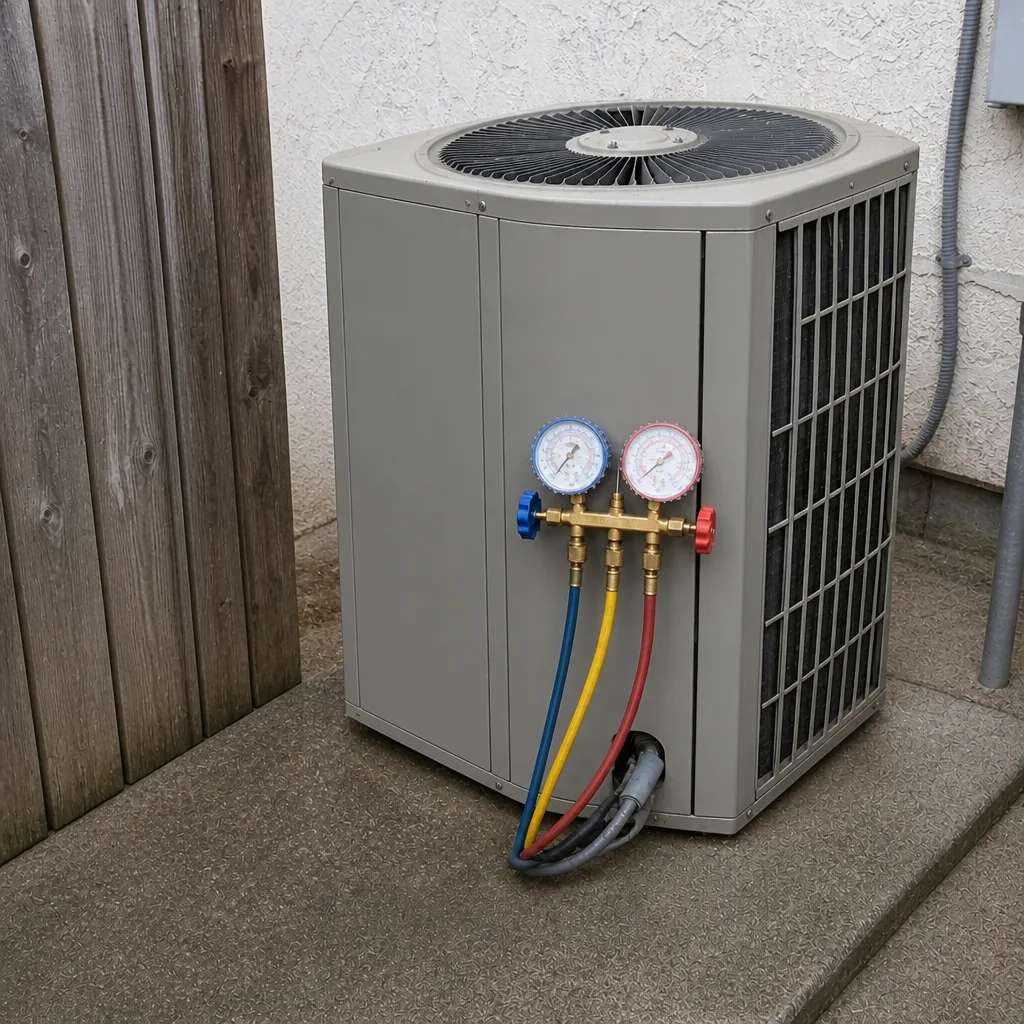
- Consumer “AC gauge” hoses with a can tap. Same problem. Even if you could legally use one, the reading means nothing without knowing target superheat and subcooling for your specific system.
- Duct-tape-style “leak sealer” sprays. Doing more harm than good in most cases. They can contaminate the coil.
- Magnetic “efficiency booster” devices that attach to the outdoor unit. No measurable effect. Skip.
A $200 tool kit of fin comb, clamp meter, manometer, and a good flashlight gives you the same first-pass information a technician would gather on a routine service visit. That’s the point. You won’t recharging an AC unit yourself, but you can walk into a call with useful data.
How to Do a Credible First-Pass Diagnosis
The single best defense against being upsold is arriving at the call already knowing what you’re looking at. A homeowner with a clamp meter and a manometer, plus a notebook, can hold a real conversation about their system because they’ve eliminated half the variables. Here’s the sequence we recommend to any Santa Clara homeowner who wants to understand their system before calling.
- Note the symptom precisely. “Won’t cool” is different from “runs but doesn’t cool” and different again from “won’t turn on at all.” Write it down. Whether the outdoor unit or indoor blower is running makes a big difference.
- Check the filter and the airflow. A clogged filter reduces airflow and can freeze the indoor coil. If you see ice on the copper lines or the indoor unit, shut the system off at the thermostat and call a technician, don’t keep running it.
- Check the breaker and the disconnect. If the outdoor unit has no power, look at the breaker at the panel and the pull-out disconnect near the condenser. Don’t open the panel itself if you’re not trained.
- Measure the amp draw on the compressor and the condenser fan. Compare against the rated amps on the equipment nameplate. Elevated amps suggest a failing motor or a struggling compressor.
- Measure static pressure. A manometer across the air handler tells you whether airflow is being choked by undersized or leaky ductwork. High static pressure means the system is being worked harder than it should be.
- Record the model and serial numbers. Every manufacturer warranty and parts lookup starts with these. Photograph the nameplate on both the indoor and outdoor equipment.
- Note the refrigerant type and pressures if you can read the gauges. Without a manifold set you can’t get pressures, but you can note any visible oil residue at fittings or frost on the suction line, both of which suggest a charge issue.
- Write down what you’ve found and what you haven’t. A short list of symptoms and readings puts you in a much stronger position when a technician arrives, and it makes it harder for any contractor to line-item a repair you don’t need.
None of this replaces a technician’s diagnostic, but it gives you a shared vocabulary. When you tell a technician “the compressor is drawing higher than rated amps under load and static pressure on the air handler is high,” you’ve moved from “customer with a vague problem” to a real diagnostic conversation. That’s the goal. For a more detailed repair path, see our guide to AC repair in Santa Clara.
When DIY Stops Making Sense Financially
DIY stops making financial sense at a specific point: when the cost of a wrong attempt exceeds the price of a professional call. That threshold is lower than most homeowners think.
For maintenance tasks, DIY wins almost every time. Filter changes, coil cleaning, and drain flushing cost under $20 in materials and save $100-150 in labor per visit.
For contactor swaps and thermostat replacements, DIY is a wash. A homeowner with basic electrical comfort saves the cost of a service call, but a mistake means calling a technician anyway plus the cost of the part. Fair either way.
For any diagnosis that involves a meter, a manometer, or refrigerant, professional work wins clearly. The reason is failure mode. A misdiagnosed compressor start capacitor becomes a new compressor. A refrigerant top-off with the wrong charge becomes a fouled system requiring full recovery and recharge. A bypassed safety switch becomes a fire. Each of those wrong attempts costs multiples of the repair they were trying to avoid.
Santa Clara homeowners also face a specific constraint: equipment replacement requires city permits, and permit work requires a CSLB license. So even a homeowner who could technically swap a condenser legally (they usually can’t, under California contractor law) faces a permit process that requires licensed work. Once replacement is on the table, the decision is no longer DIY-versus-professional. It’s which professional. For that path, our guide to AC installation explains what a proper replacement includes.
One more decision rule: if the repair involves a part that isn’t stocked at a local supply house or requires manufacturer-specific knowledge to spec correctly, that’s a signal the job is trade territory. Carrier, Trane, Bryant, and American Standard systems all use model-specific components where a wrong part number means a returned part, wait time, and a second diagnostic upon reinstall.
Common Mistakes to Avoid
- Buying a refrigerant top-off kit from an online seller. Using it without EPA 608 certification is illegal, and the manufacturer warranty won’t cover anything that happens afterward. Do not do this.
- Running the system with ice on the indoor coil. This accelerates compressor damage. If you see frost or ice, shut the system off and call a technician.
- Replacing a thermostat without photographing the wiring first. Low-voltage wiring errors cost more to diagnose than the thermostat cost to buy.
- Using cloth duct tape on ductwork. It fails within a season and leaves residue that has to be cleaned off before a proper mastic seal. In our experience this mistake is common in older Santa Clara homes where a previous owner patched a joint the quick way.
- Letting debris build up around a Santa Clara condenser after spring landscaping. Our climate grows greenery fast. Two feet of clearance, always.
- Attempting a contactor or capacitor swap without a non-contact voltage tester. The capacitor can hold a lethal charge even with power off at the disconnect.
- Skipping the permit on a replacement. Permit questions surface during resale in Santa Clara, and the buyer’s inspector will ask about the equipment age and install documentation.
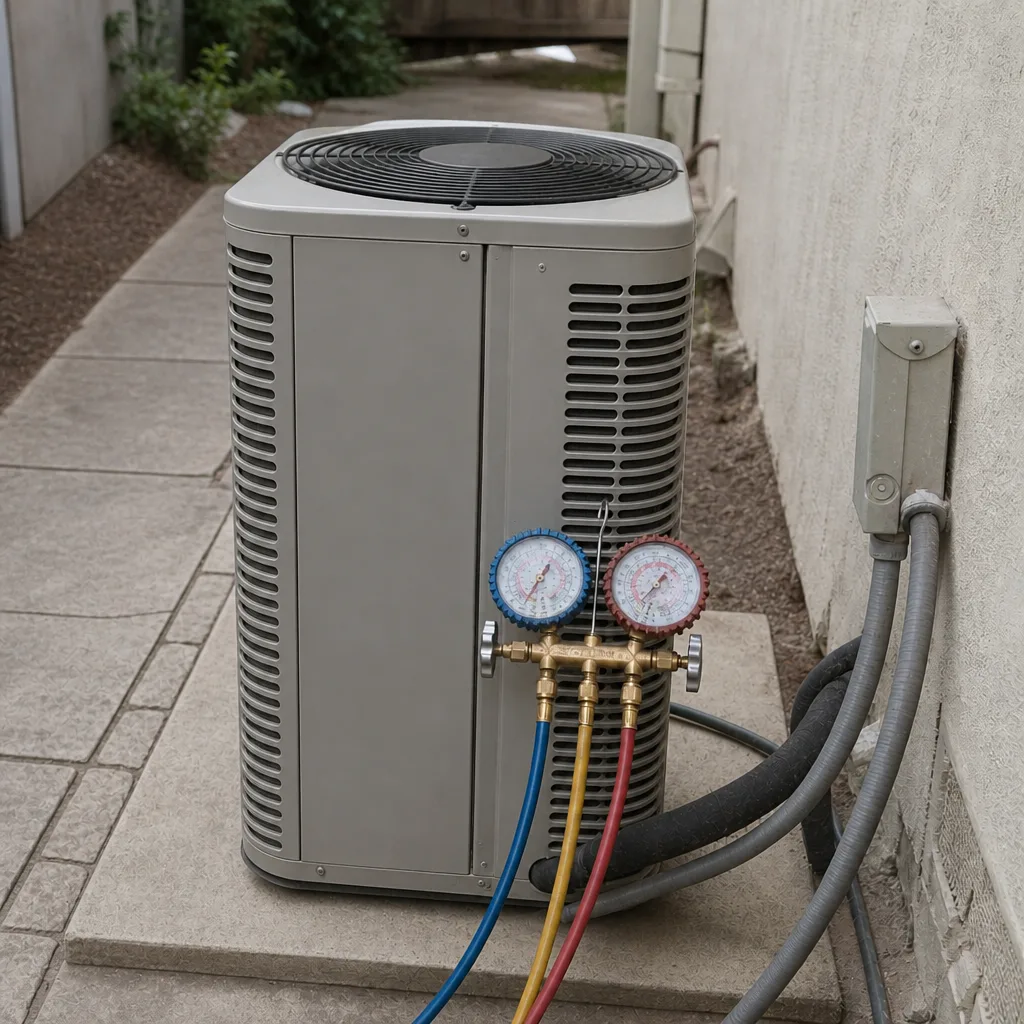
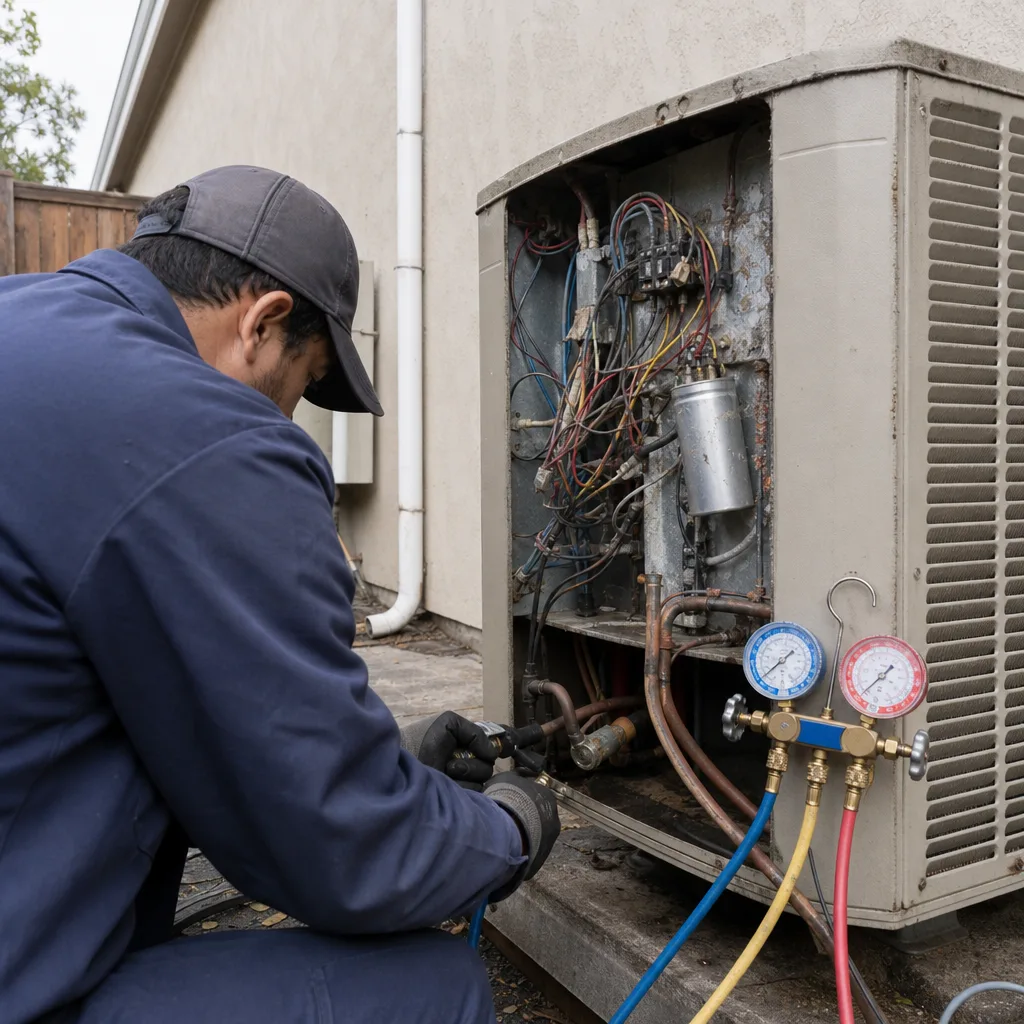
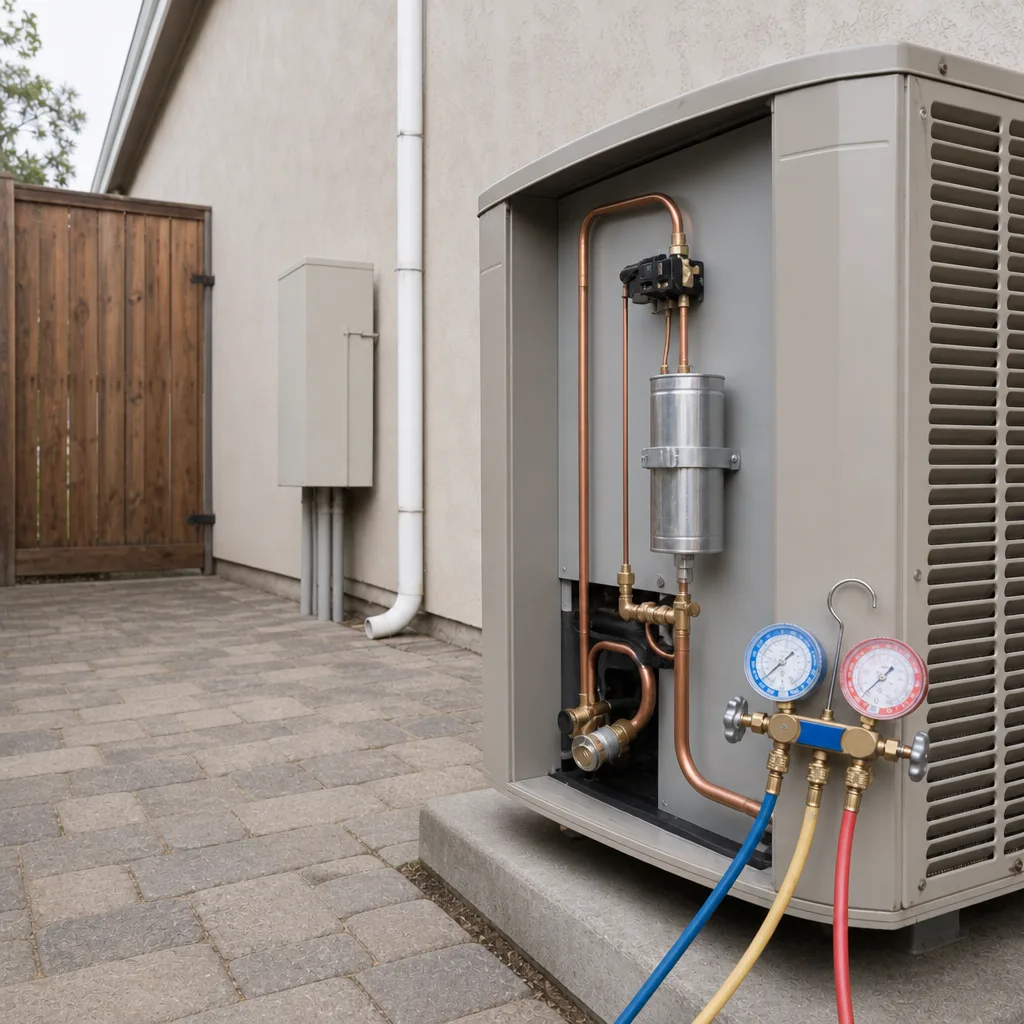
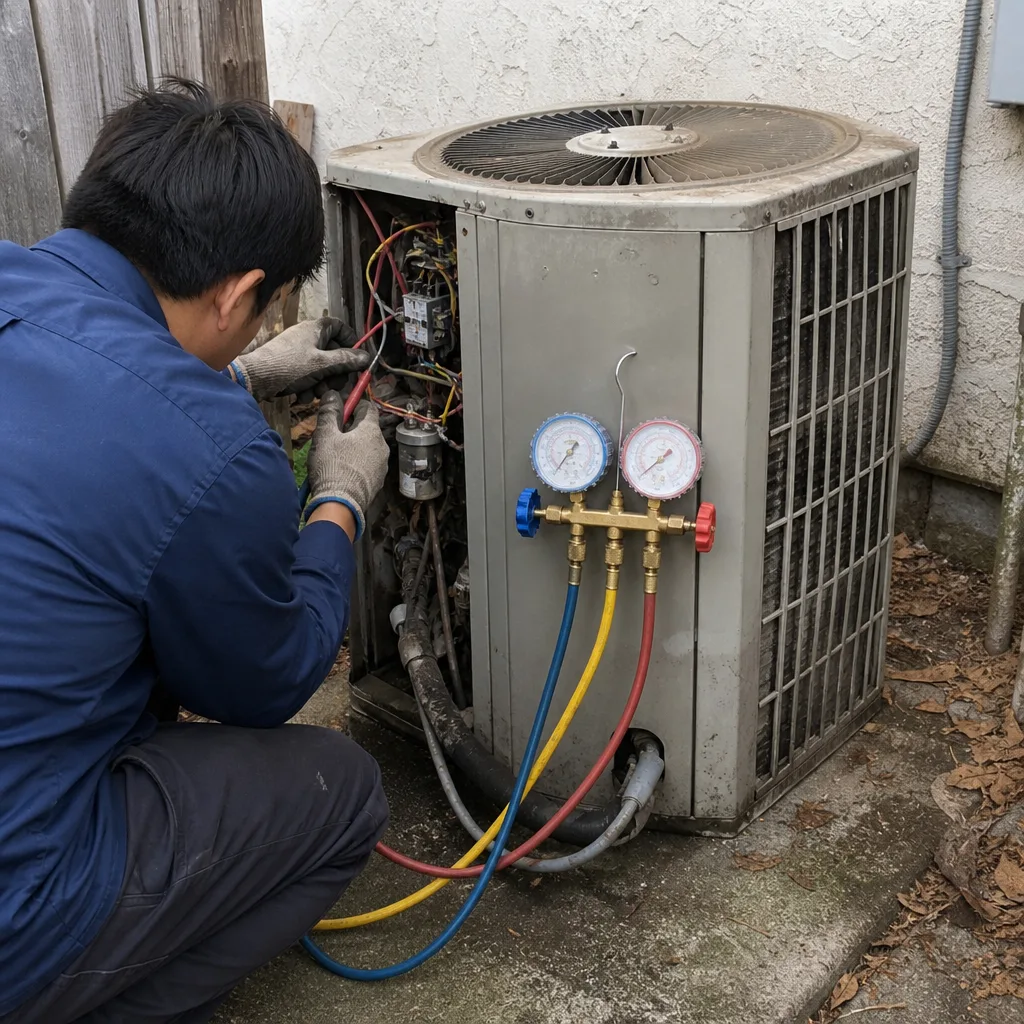
See the difference
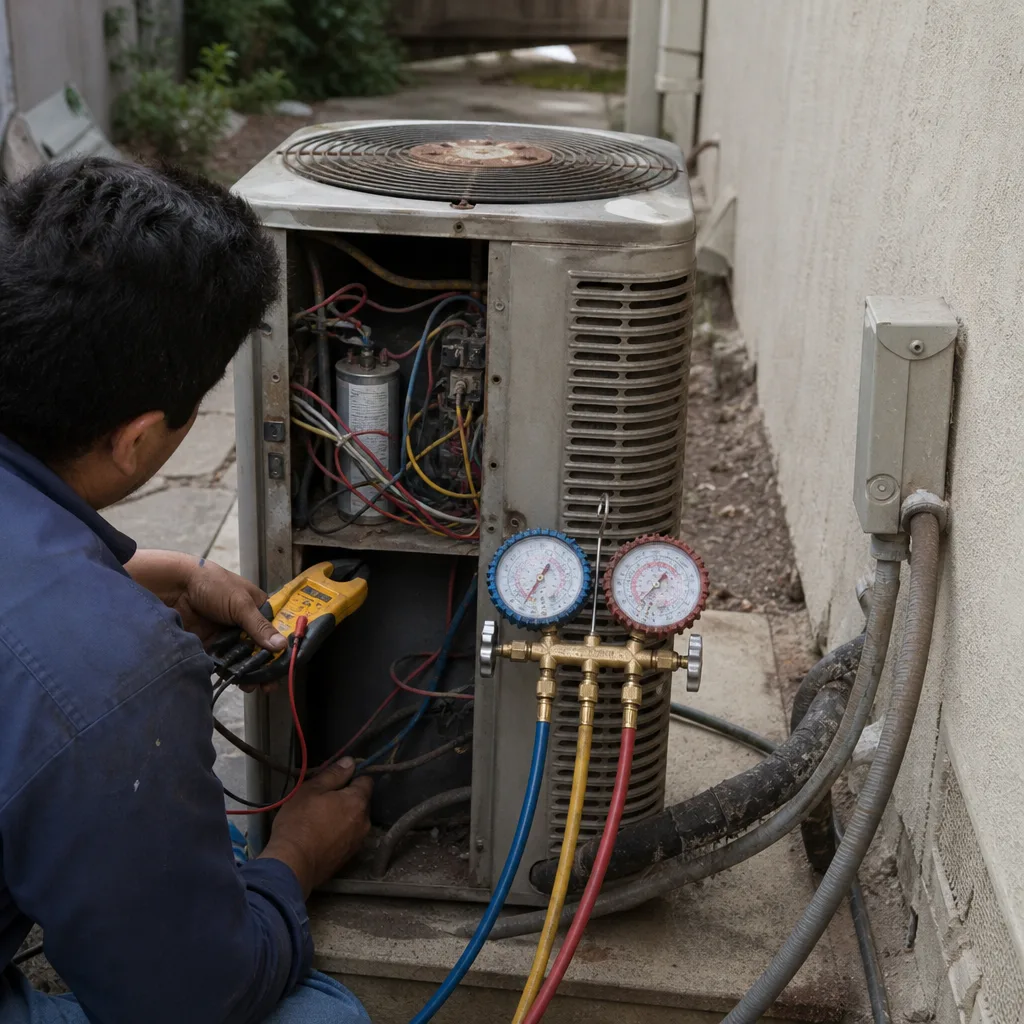 Before
 After
 Before
 After
 Before
 After
When to Call a Professional
Call a licensed technician for anything involving refrigerant, the sealed circuit, the main electrical panel, or equipment replacement. Call if you’ve replaced the filter and checked the breaker and the system still won’t cool, because that points to a fault that requires meters and gauge readings to diagnose. Call if you see ice on the indoor coil or frost on the copper lines, because continuing to run the system can turn a fixable problem into a compressor failure. Call if the outdoor unit is making grinding or screeching sounds, if you smell burning at the air handler, or if the electric bill jumped without a change in usage. And call before attempting anything you’re uncertain about inside the equipment cabinet, because parts on modern Carrier or Trane systems can run into the hundreds and one misdiagnosis pays for a professional visit twice over.
AC Repair Santa Clara offers free estimates in Santa Clara. Call (833) 439-0749. We answer 24/7. Fast dispatch from 7am to 7pm, Sunday through Friday.
Frequently Asked Questions
No. Handling refrigerant requires EPA Section 608 certification under the Clean Air Act, and that applies to homeowners working on their own equipment. Using a DIY refrigerant kit without certification exposes you to fines that can exceed $10,000 per violation, and attempts typically void the manufacturer warranty on the equipment. Call (833) 439-0749 for a certified technician; estimates are free.
You can change filters, clean the outdoor condenser coil, flush the condensate drain, straighten condenser fins with the system off, replace a thermostat, seal accessible duct joints, clean supply and return grilles, and clear vegetation around the outdoor unit. None of these require a permit or certification, and all save money. Call (833) 439-0749 if you want a professional tune-up; estimates are free.
DIY attempts inside the sealed refrigerant circuit, inside the air handler cabinet, or on electrical components can void the parts and labor coverage on your equipment. Routine maintenance like filter changes and coil cleaning doesn’t affect the warranty. The warranty document taped inside your air handler will state the specific terms. Call (833) 439-0749 for a service visit that preserves your coverage; estimates are free.
A tripping breaker is almost always a sign of a failing motor, a shorted capacitor, or a compressor drawing too many amps. It can also happen in Santa Clara during a heat wave when extended runtime heats up a marginal capacitor. This is a diagnostic job, not a DIY one. Call (833) 439-0749; estimates are free.
No. Replacing a condenser or air handler requires a mechanical permit in Santa Clara and, under California law, licensed contractor work. Title 24 energy efficiency requirements also apply to the replacement equipment, which means the install must be documented and inspected. This is not a legal DIY path. Call (833) 439-0749 to discuss replacement; estimates are free.
Yes, once a year, because a professional tune-up includes checks a homeowner can’t perform: refrigerant pressure readings, superheat and subcooling calculations, static pressure measurement, capacitor testing under load, and a visual inspection of the heat exchanger for cracks. The routine maintenance you do at home extends the life of the system; the annual tune-up catches the failures your maintenance can’t see. Call (833) 439-0749 in Santa Clara; estimates are free.
The Bottom Line
The right way to think about DIY HVAC work is task by task, not as one big decision. Legal, safe, and cheap to do yourself: filter changes, coil cleaning, drain flushing, fin straightening, thermostat swaps, and accessible duct sealing. Illegal without certification: anything involving refrigerant. Requiring a licensed contractor: panel work, sealed circuit work, and equipment replacement. Keep those three columns in mind and you’ll avoid the two expensive mistakes homeowners make on Santa Clara HVAC systems, which are attempting the illegal options and skipping the annual professional tune-up. Everything else, you can probably handle.
Written by the team at AC Repair Santa Clara.
If you’d rather have a trained technician look at your system before deciding, we work on Carrier, Trane, Bryant, American Standard, Lennox, Goodman, Rheem, York, and Daikin equipment, and our technicians have up to 11 years of experience. Call (833) 439-0749 for a free estimate. We answer 24/7. Fast dispatch from 7am to 7pm, Sunday through Friday. For broader repair and installation context, start with AC repair in Santa Clara.