
Last updated November 14, 2026
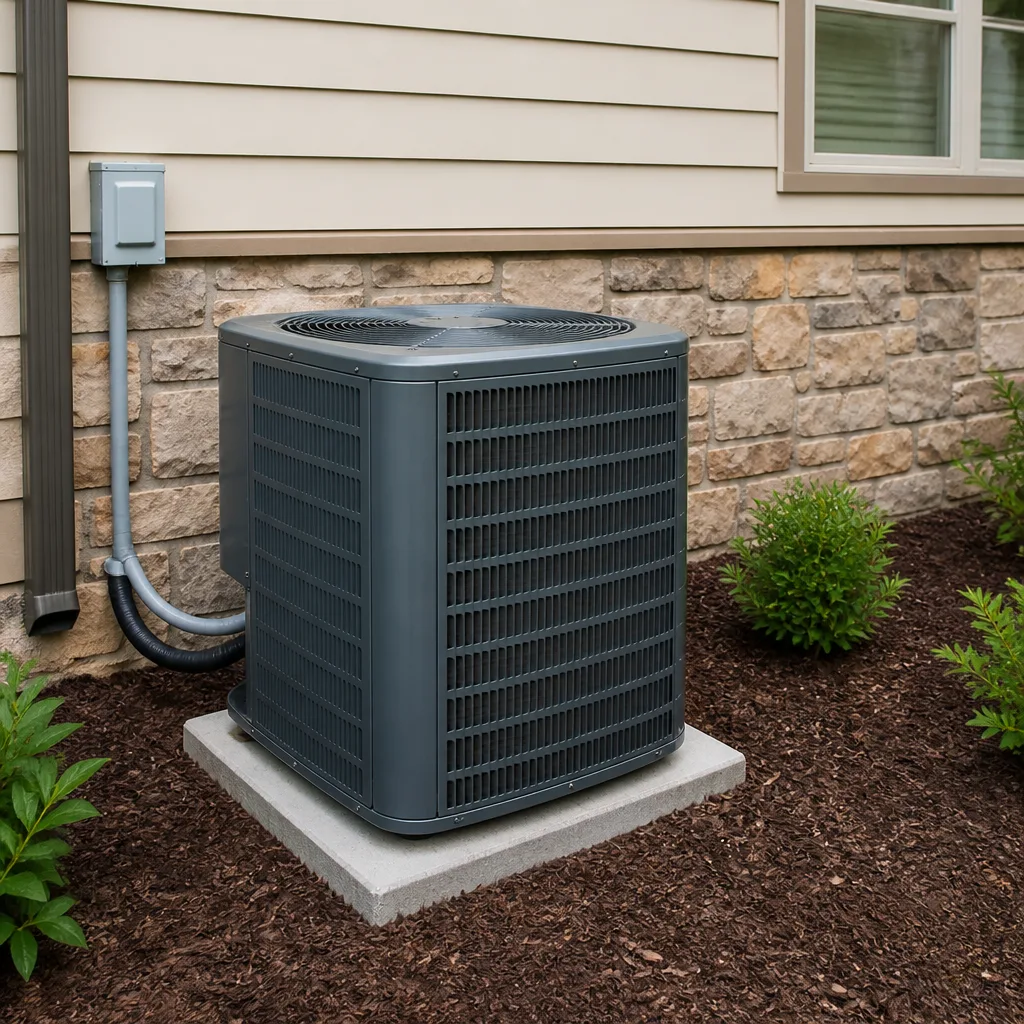 AC repair
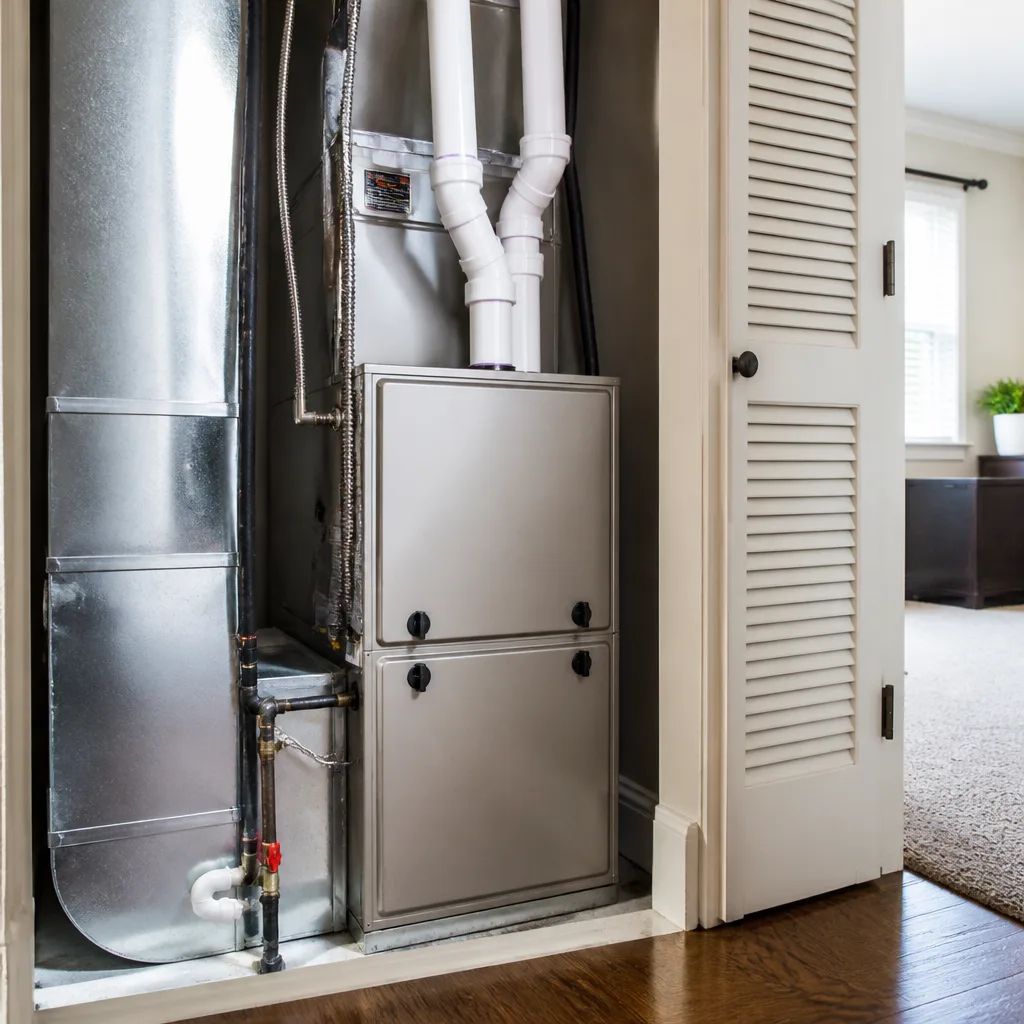 Furnace & heating
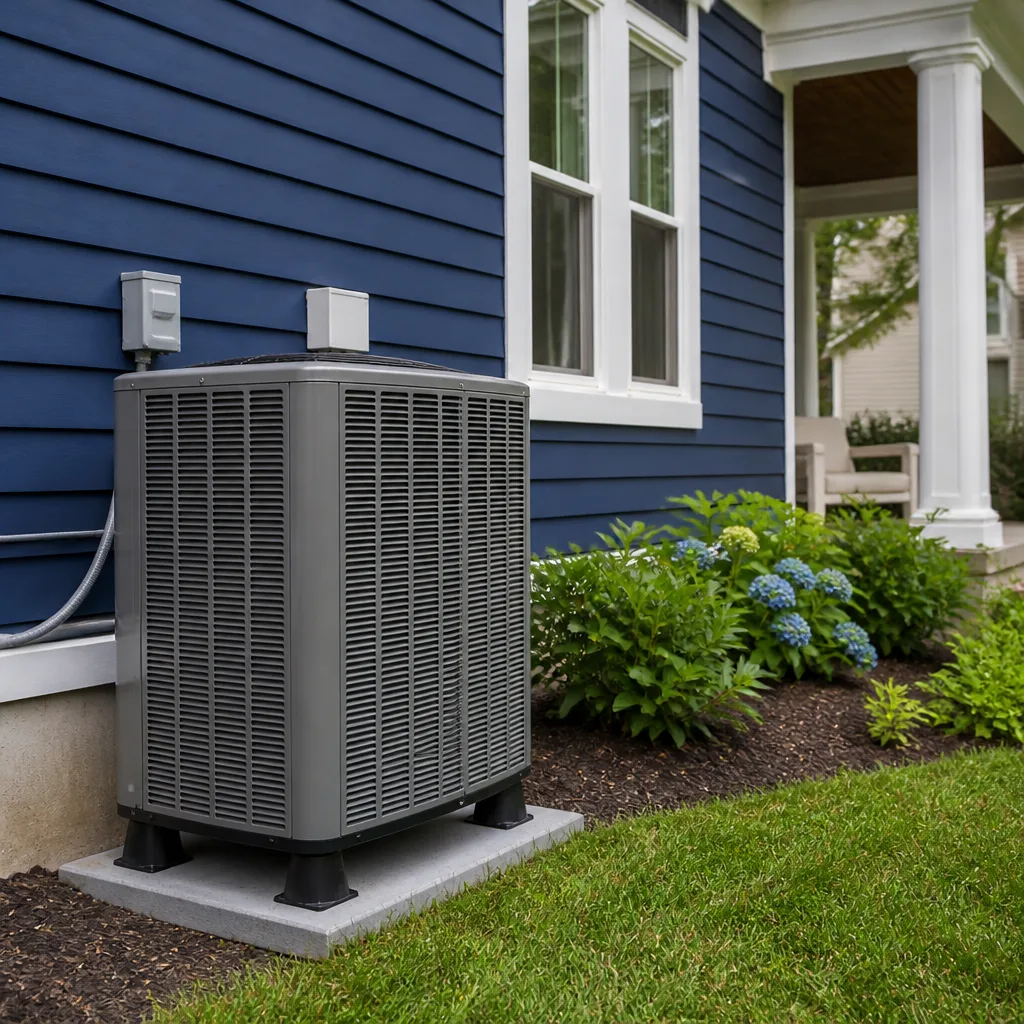 Heat pumps
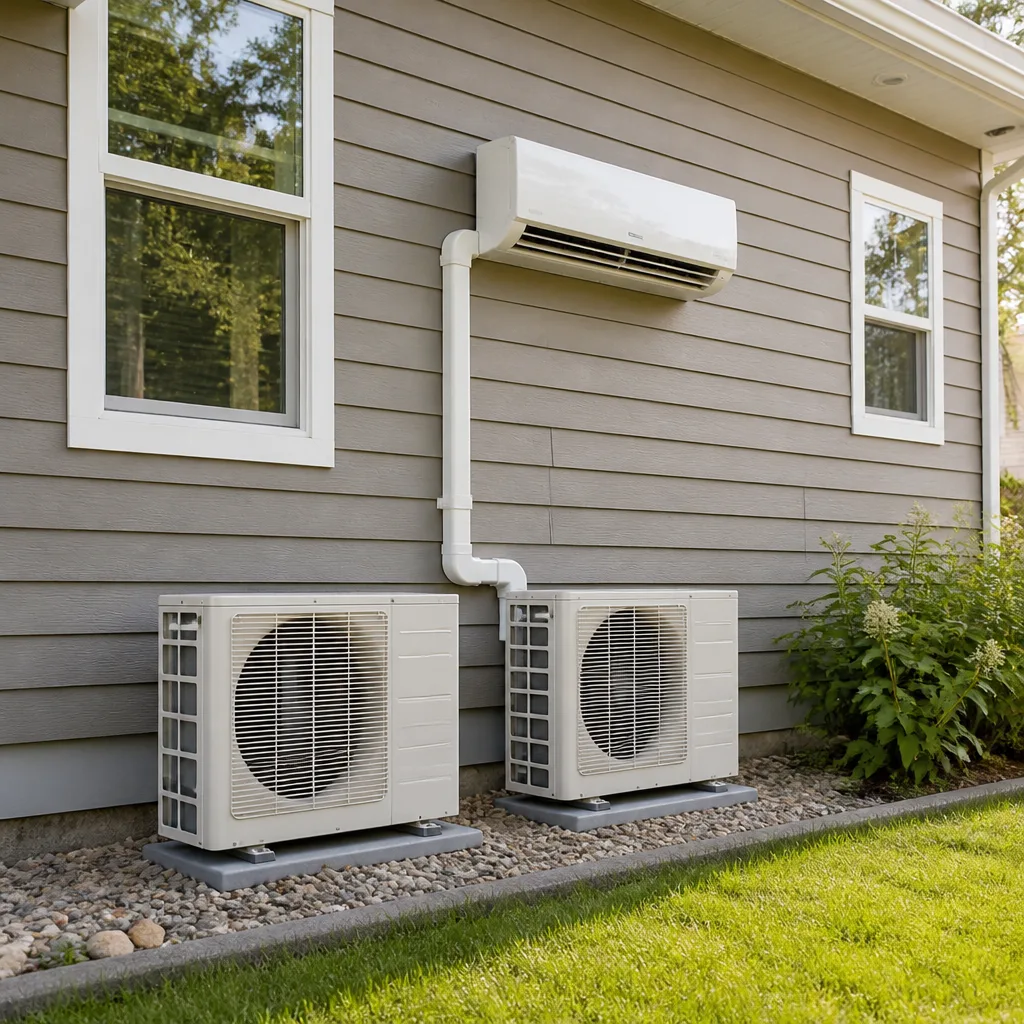 Ductless mini splits
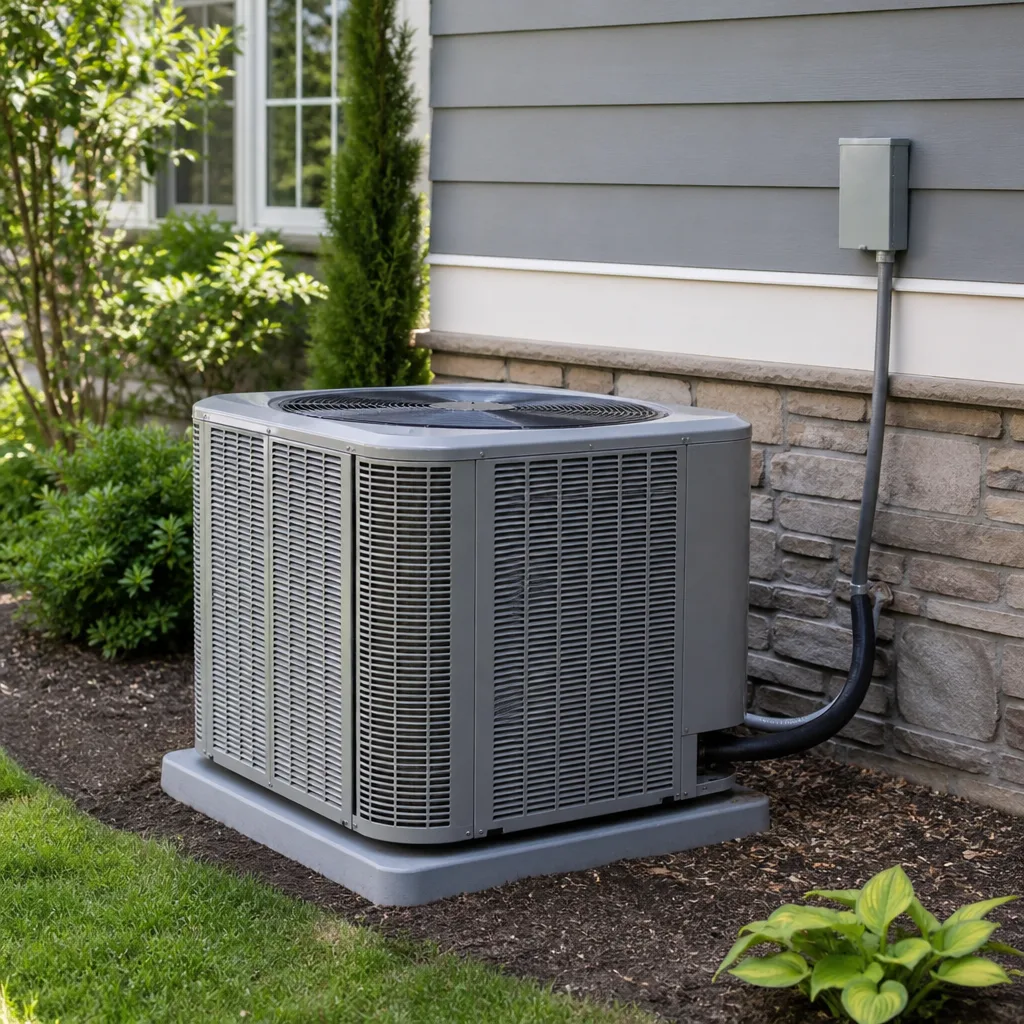 Carrier
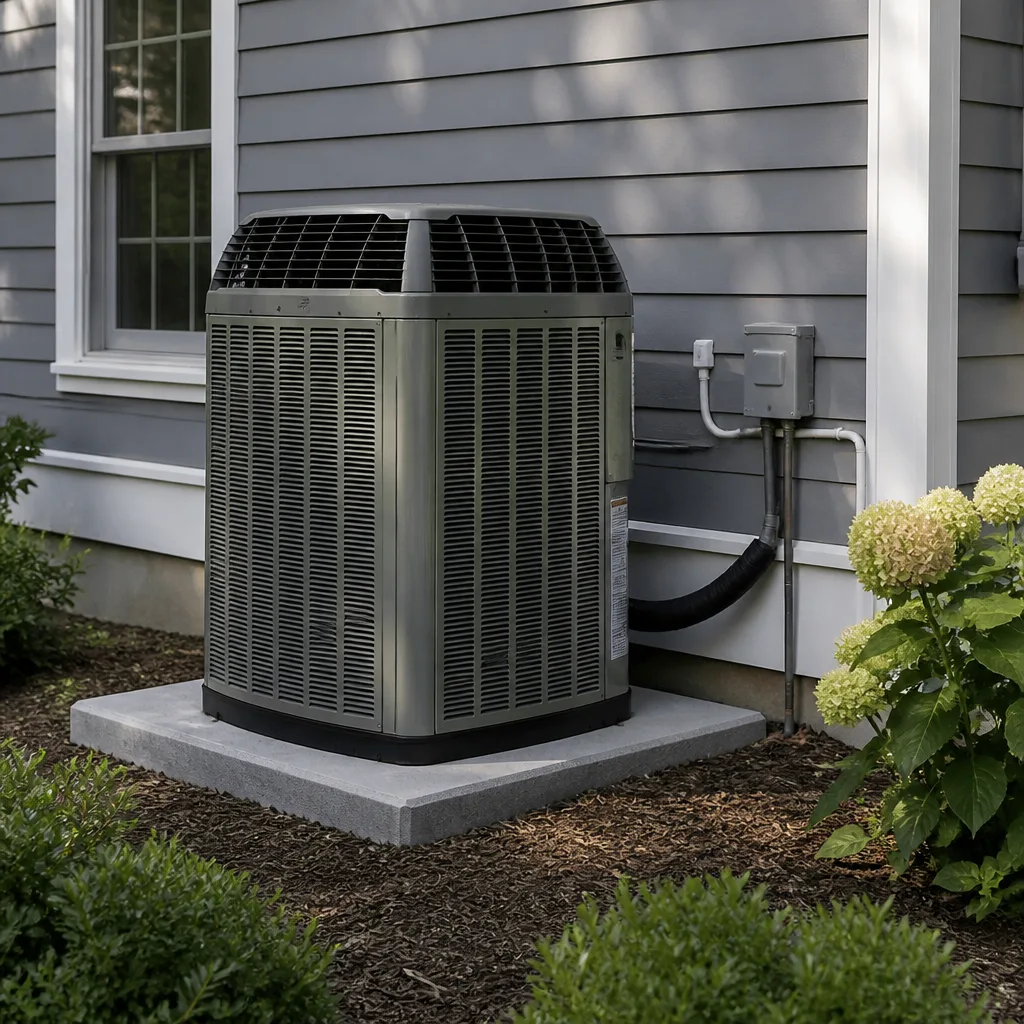 Trane
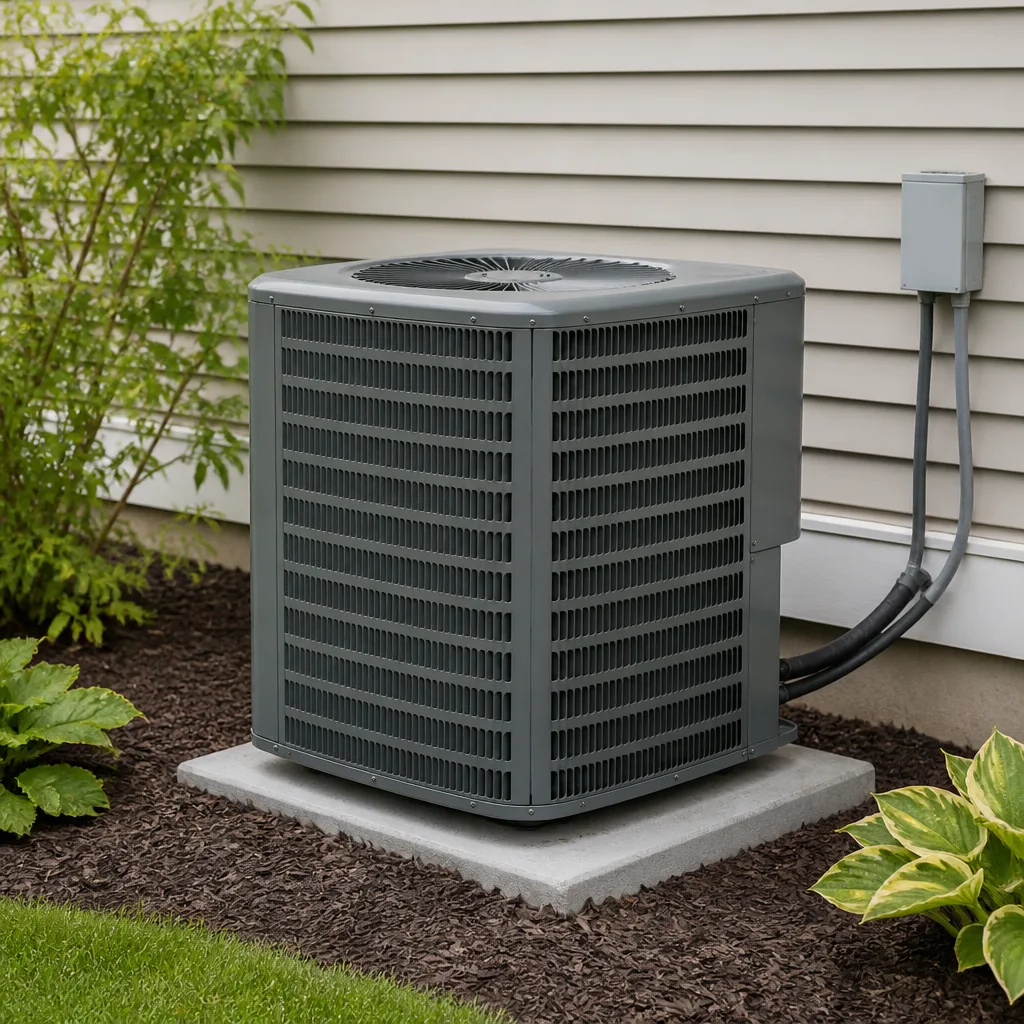 Goodman
Seasonal tune-up and full diagnostic on your Carrier, Trane, or Goodman system - readings shown to you before any repair is proposed
Diagnosis first, numbers second - you approve the repair price before a single part goes in.
Get your free estimateHVAC Emergency Preparedness Guide for Santa Clara Homes
Most homeowners treat an HVAC failure as a sudden event. It almost never is. In Santa Clara, the system that quits on a hot September afternoon usually gave warning during the first real heat wave in June and was asked to push through the second one without help. By the third consecutive day of triple-digit heat, every contractor in the valley has a full queue, parts wholesalers are running thin on the same handful of components, and the homeowner who hasn’t planned is competing for attention with hundreds of others in the same position. Preparedness is about making decisions before that moment, not during it. This guide walks through what to keep on hand, how to run a struggling system without wrecking it, where to find relief if the house gets dangerous, how to tell a fair emergency call from a gouge, and how to shut equipment down safely when it fails. Everything here is written for Santa Clara homes specifically.
Quick Answer
Emergency HVAC preparedness in Santa Clara means three things done before summer: knowing where your system’s shutoff is and how to use it, keeping a small kit of the components that fail most often during heat waves (capacitors, contactors, and a spare blower motor fuse), and identifying a backup cooling plan that doesn’t depend on your air conditioner. When a system does fail, shutting it down at the breaker and calling a qualified technician protects you from secondary damage. For most homes, the difference between a two-hour inconvenience and a four-day crisis comes down to decisions made in April, not August.
Styles & brands we work with
- AC repair
- Furnace & heating
- Heat pumps
- Ductless mini splits
- Carrier
- Trane
- Goodman
Table of Contents
- Why the Third Day of a Heat Wave Is the Real Emergency
- Your Pre-Season HVAC Emergency Kit
- Running Your System in Degraded Mode Without Breaking It
- System Shutdown Procedures to Prevent Secondary Damage
- Santa Clara Cooling Centers and Medical Baseline Programs
- Evaluating Emergency HVAC Service Calls: Fair Rates vs. Price Gouging
- Why Brand Familiarity Matters in an Emergency
- Pre-Season Maintenance That Prevents Most Emergencies
Why the Third Day of a Heat Wave Is the Real Emergency
The first hot day of a Santa Clara heat wave is uncomfortable. The second is when the phone starts ringing. The third is when the system gives out and there is nobody left to call. This pattern is predictable, and it’s what makes planning ahead so much more valuable than reacting.
Here’s what happens behind the scenes. On day one, outdoor temperatures spike and every air conditioner in the city works harder than it has all year. Capacitors that were drifting out of spec all spring fail under the load. Contactors pit and stick. Blower motors that were already drawing high amps trip their thermal overloads. Most of these components are small, inexpensive, and shared across a huge range of equipment, which is exactly why they run short at the counter during a heat wave. The wholesaler who had forty capacitors on Monday has four by Thursday afternoon, and the four are going to whichever contractors show up first.
The same dynamic hits labor. Every reputable HVAC outfit in Santa Clara is running the same math: total emergency calls divided by available technicians. Contractors who handle routine service during the week now have a queue that stretched overnight. Homeowners who didn’t plan end up waiting days, not hours, for a repair appointment. It’s not that the trade abandons anyone. It’s that demand on day three is many times higher than on day one, and the capacity doesn’t scale up in 48 hours.
The point is not to scare anyone. It’s to name the real problem plainly: in Santa Clara, the most likely time for an HVAC failure is the exact week when help is hardest to get. Every section that follows is about moving the decisions forward so you’re not making them under pressure, in a hot house, with no appointment available.
Your Pre-Season HVAC Emergency Kit
A small, specific kit sits in a shoebox and it saves hours of misery when a system quits. Most of the components that fail on high-demand days are inexpensive, easy to keep on hand, and easy for a technician to install quickly if you already have them. That last part matters: handing a technician the right capacitor means the repair happens the same visit instead of after a parts run that may not come up with anything.
Here’s what to keep, and what each piece does:
- Run capacitor (the round metal can). The most common failure during heat waves. It helps the compressor and blower motor start and run. Identify the exact microfarad (µF) rating printed on the side of your existing capacitor and keep one spare that matches.
- Start capacitor (if your compressor uses one). A black plastic cylinder near the run capacitor. Same principle: match the label.
- Contactor. The switch that tells the compressor and condenser fan to come on. Look for pitting or burnt terminals on the one installed; a spare is cheap insurance.
- Blower motor fuse or breaker. Most older air handlers use a small automotive-style fuse or a dedicated breaker in the air handler cabinet. Replacements are inexpensive and take seconds to swap.
- Replacement air filter in the exact size your system takes. A clogged filter is a top cause of frozen coils and high head pressure during heat waves.
- Infrared thermometer. So you can measure supply and return air temperatures and know whether the system is cooling at all.
- Flashlight and non-contact voltage tester. For safe inspection at the disconnect. The tester tells you when power is still present so you don’t get surprised.
Important: keeping these parts on hand is not the same as installing them. Capacitors store a lethal charge even after power is off, and the compressor circuit runs on high voltage. A trained technician will change a capacitor in minutes. A homeowner doing it without discharging it first could be seriously injured. We work on Carrier, Trane, Lennox, and Goodman systems every day, and we’ve seen plenty of “I tried it myself” calls that started as a $20 part and became a $900 repair. Keep the kit, hand it to the technician.
Running Your System in Degraded Mode Without Breaking It
When the AC is running but underperforming, the temptation is to crank the thermostat lower and hope. That is the single best way to turn a struggling system into a dead one. Degraded mode is a discipline: you’re asking the system to do less work, not more, so it survives until a technician can look at it.
Start by understanding what “underperforming” looks like:
- Air from the vents is cool but not cold, or barely cool
- The outdoor unit runs constantly but the house never quite reaches the setpoint
- The indoor coil ices up or the refrigerant line sweats heavily and frosts
- The system short-cycles: runs a few minutes, shuts off, repeats
- You hear a new hum, tick, or metallic rattle from the outdoor unit
If you notice any of these during a heat wave, here’s how to operate the system without finishing it off:
- Raise the thermostat setpoint. Move it to 78°F or higher during peak afternoon heat. Every degree you raise it lowers the load on the compressor. You’ll be less comfortable, but the system will survive.
- Turn the fan to ON, not AUTO. Continuous fan circulation moves air across the coil and spreads cool air through the house. It also helps the coil defrost if it’s starting to freeze.
- Close off unused rooms. Shut doors and close registers in rooms nobody is using. The system cools less air, which it can handle.
- Block afternoon sun. Close blinds and drapes on west-facing windows from noon to 6 p.m. Solar gain during a Santa Clara heat wave is high, and shading the glass cuts a surprising amount of load.
- Use fans strategically. Ceiling fans and box fans don’t cool air but they cool people. Running a fan in the room you’re in gives a few extra degrees of comfort without touching the AC.
- Run heat-producing appliances at night or not at all. Oven, dryer, dishwasher: skip them during the hot stretch. Every watt you don’t produce is load the AC doesn’t have to remove.
- Do not cycle the system on and off repeatedly. If it cools for 20 minutes and quits, leave it off and call. Repeated restart attempts can cook a compressor.
If the outdoor unit has stopped entirely, the priority shifts to shutdown. That’s the next section.
System Shutdown Procedures to Prevent Secondary Damage
A failed AC can cause two kinds of secondary damage if it’s left running or left “on” by default: electrical damage to the compressor and water damage from a frozen coil that melts inside the air handler. Both are expensive and both are preventable if you know three shutoff points and use them in order.
Every Santa Clara home with central air has three power shutoff locations:
- Thermostat. The easiest first step. Set the mode to OFF, not COOL and not HEAT. This stops the call for cooling but doesn’t remove power from the equipment.
- The service disconnect at the outdoor condenser. A small gray box mounted on the wall near the outdoor unit, usually with a pull-out handle or a lever. Pull the handle or flip the lever. This removes high voltage from the outdoor equipment.
- The main breaker in the electrical panel. Look for a double-pole breaker marked AC, A/C, Condenser, or similar. Flip it fully to OFF. This is the definitive step and the one that protects the equipment from any thermostat or control malfunction.
When to use these steps:
- You smell burning or see smoke near the air handler or outdoor unit. Turn off the breaker at the panel immediately. Do not investigate inside the cabinet.
- The indoor coil has frozen into a block of ice. Turn the system off at the thermostat and the breaker. Leave the fan on for 30 minutes with the system set to OFF (fan-only mode) to help move air and defrost safely, then leave the AC off until a technician inspects the refrigerant charge and airflow.
- You see water pooling near the air handler or dripping from the ceiling below it. Turn the system off. A frozen coil or a clogged condensate drain can flood a space quickly in a hot house.
- The outdoor unit makes a loud, new, mechanical noise (grinding, screeching, or repeated hard clicks). Shut it down. Continuing to run it risks a seized compressor.
- The circuit breaker trips repeatedly. Leave it off. A breaker that trips is protecting a component that is drawing too much current.
Do not open the electrical cabinet of the condenser or air handler unless you’re a trained technician. The compressor terminals and the control board are live whenever the breaker is on, and capacitors hold a charge after power is removed. Shutting the system down at the three listed points is what a homeowner can safely do. Opening panels is not.
Santa Clara Cooling Centers and Medical Baseline Programs
Not every household can tolerate an AC outage. Some residents are elderly, some have health conditions that make heat dangerous, some have infants at home. For those households, a failed air conditioner is a health issue, not a comfort issue, and the response should include a plan for the people first.
Santa Clara County and the City of Santa Clara coordinate cooling centers during declared heat emergencies. These are public spaces with air conditioning that stay open during extreme heat. In a heat emergency, the city’s emergency advisory and the county’s Office of Emergency Management are the authoritative sources for which centers are open and their hours. Check those two sources directly. Typical locations in a Santa Clara heat emergency include senior centers, community centers, and public library branches across the county, and the list changes based on which facilities are available that day.
The second piece is PG&E’s Medical Baseline program. If someone in the household depends on electricity for a medical condition or uses a medical device, they may be eligible for the Medical Baseline Allowance, which increases the baseline quantity of electricity billed at the lowest rate and, importantly, adds the household to priority outreach during Public Safety Power Shutoffs. This is not about comfort. It’s about preserving a home’s power supply and getting notified first if there’s a risk. Enrollment forms come from PG&E directly, and a physician signs the medical certification. If you have a household member on medical equipment or with a heat-sensitive condition, this is worth completing before summer, not during.
For a shorter outage or when the system is down but the house is safe, the plan is simpler. Identify one or two rooms you can keep cool with shade, fans, and reduced activity. Plan to be in them during the peak of the afternoon. Spend an hour at a cool public spot if the house climbs too high. And keep the number of a competent HVAC contractor in your phone so you’re not searching for one on the worst day of the year.
Evaluating Emergency HVAC Service Calls: Fair Rates vs. Price Gouging
California’s price gouging law, Penal Code Section 396, prohibits raising prices more than 10 percent above the pre-emergency price on essential goods and services during a declared state of emergency. HVAC repair is treated as an essential service in a heat emergency. That means during a declared heat emergency in Santa Clara, an HVAC company raising prices far above its normal rates is on the wrong side of the law.
The practical problem: how do you know what their normal rate is? Here’s what to look for, in order.
Signs the call is fair:
- The rate is stated in advance, in writing or clearly on the phone, before anyone is dispatched.
- The diagnosis fee (if there is one) is disclosed up front and clearly explained, and any charge for the visit is separate from the cost of the repair.
- The final price comes from a written estimate you can read before approving the work.
- The company explains what’s wrong in plain language and offers options, not just one path.
- Parts pricing is in line with what you can look up yourself for the same rated component.
Signs to slow down:
- Prices five or ten times normal for parts you can identify on your own: a $40 capacitor suddenly costs $800, a contactor becomes a $1,200 line item. Those numbers don’t match any plausible labor and overhead.
- Pressure to replace the entire system on the spot, on the hottest day, without any diagnosis.
- Refusal to put the price in writing or to explain the diagnosis.
- Cash-only, no receipt, no invoice, or “special tonight only” pricing designed to make you say yes before you think.
- A charge for coming out that isn’t disclosed until they’re in the driveway.
If you believe you’ve been gouged during a declared emergency, California’s Attorney General and local district attorneys handle those complaints. Document what you were quoted, what you were charged, and the date and time. Keep the invoice.
Our position is simple. We tell homeowners the price in writing. The written estimate is the price. If we’re going to charge more, we say so before the work starts, not after.
Why Brand Familiarity Matters in an Emergency
When a system is already struggling, a technician who knows that brand’s known failure points finds the problem faster. That’s not a sales pitch. It’s what happens when someone has pulled that control board before, knows where the capacitor sits on that specific condenser, and can tell from the sound whether the compressor is being starved of refrigerant or just running hot. Our technicians have up to 11 years of experience and are trained across Carrier, Trane, Lennox, and Goodman systems, among others, so they arrive familiar with the exact equipment in the home rather than reading the panel for the first time.
Why this matters specifically in an emergency:
- Diagnostic time is compressed. A known failure pattern on a Carrier or a Trane condenser points straight to the culprit. A technician who doesn’t know the equipment has to eliminate possibilities, and the homeowner is paying for that process.
- Parts identification is faster. When the technician knows the system, they know which capacitor, contactor, or blower motor is the right one, which matters on day three of a heat wave when the supply house is running low.
- Repair vs. replace is judged on facts. A brand-familiar technician can tell whether the compressor is worth saving or whether the smart call is replacement, based on the actual condition of the equipment and not on the size of the invoice.
The best defense against an emergency is having a contractor on file who already works on your brand. That’s what we do. We handle AC repair and AC installation as our core work, and we focus only on heating and cooling. One call covers both your AC and furnace, and the same team that diagnoses your cooling side in July is the one that works on your heating side in December. For a look at how those services work across the area, see our page on Santa Clara.
Pre-Season Maintenance That Prevents Most Emergencies
Almost every emergency HVAC call we see in Santa Clara traces back to something that was visible weeks earlier. Capacitors drift before they fail. Filters clog over months, not hours. Drain lines build up algae and biofilm gradually until they back up. A pre-season check in spring catches the problems that would otherwise show up as emergencies in August. It is the single highest-value thing a homeowner can do.
Here’s the practical list for the homeowner between professional visits:
- Change the air filter every 60 to 90 days during cooling season, sooner if you have pets or are running a lot of dust from construction or yard work. A clogged filter raises the system’s static pressure and stresses the blower, and it’s the top cause of frozen coils.
- Clear the outdoor condenser’s clearance around it. Two feet of clear space on all sides, and trim back any foliage touching it. A condenser that can’t breathe runs hot and dies early.
- Wash the outdoor coil. Gentle garden-hose spray from the inside out, with the power off at the disconnect. Don’t use a pressure washer; bent fins block airflow permanently.
- Flush the condensate drain line. A cup of white vinegar down the drain port every few months prevents the algae buildup that floods air handlers and ceilings.
- Run the system briefly in the spring before the first heat wave. Turn it on before you need it. A problem you discover in April is an appointment. A problem you discover in August is a crisis.
- Note the run capacitor’s µF rating and the system’s model number in your phone. When you’re on the phone with a technician, being able to read that label off saves time and prevents wrong parts from being brought out.
- Schedule professional pre-season service. Our technicians inspect refrigerant charge, electrical draw, capacitor health, and airflow. A technician is not paid on what they sell, so the report tells you what was actually found and the price for any recommended work is in writing before you approve it.
Between spring checks and fall checks, the system stays ahead of the failures that cause mid-summer emergencies. It’s the least dramatic thing you can do, and the most effective.
Common Mistakes to Avoid
- Waiting until the third day of a heat wave to call. By day three in Santa Clara, every contractor has a full queue. Call when the system starts underperforming, not after it quits.
- Cranking the thermostat lower when the system is struggling. Lowering the setpoint doesn’t make a weak system stronger; it makes it work harder and fails faster. Raise it instead.
- Continuing to run the system with a frozen indoor coil. The coil ices up, the compressor works itself to death, and any thawing water ends up in your ceiling. Shut it off at the breaker and let a technician look at charge and airflow.
- Assuming an emergency call means an emergency price. In California, price gouging on essential HVAC service during a declared emergency is illegal. If the quote is wildly out of line with normal rates, ask for it in writing and walk away if you don’t get one.
- Not knowing where the breaker and the outdoor disconnect are. When smoke or water appears, seconds matter. Find all three shutoff points now and label the breaker.
- Having no backup cooling plan for heat-sensitive household members. Cooling centers and Medical Baseline enrollment are decisions you make once, not in the middle of a heat emergency.
- Buying a replacement system on the hottest day of the year. An emergency technician is diagnosing an emergency, not sizing a system for your house. Get the failure stabilized and schedule a load-calculated replacement on a normal week.
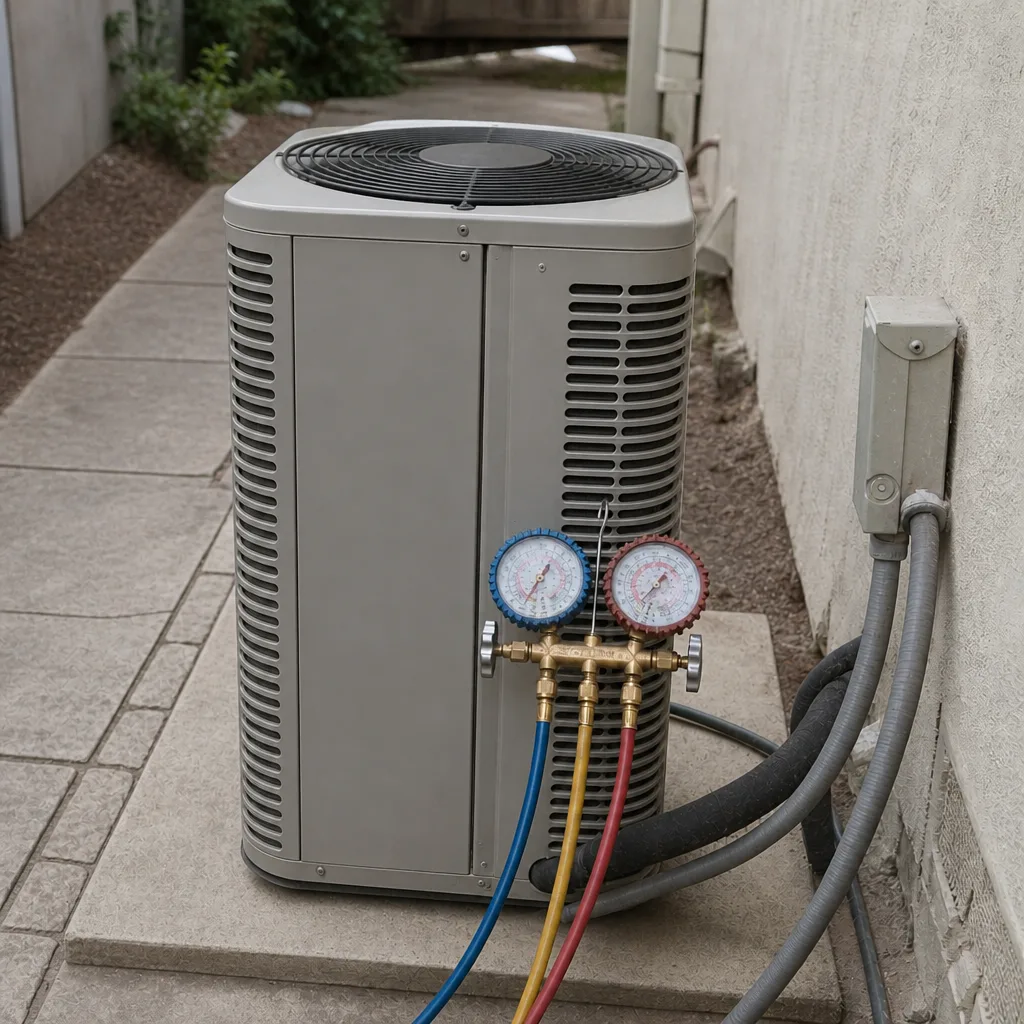
See the difference
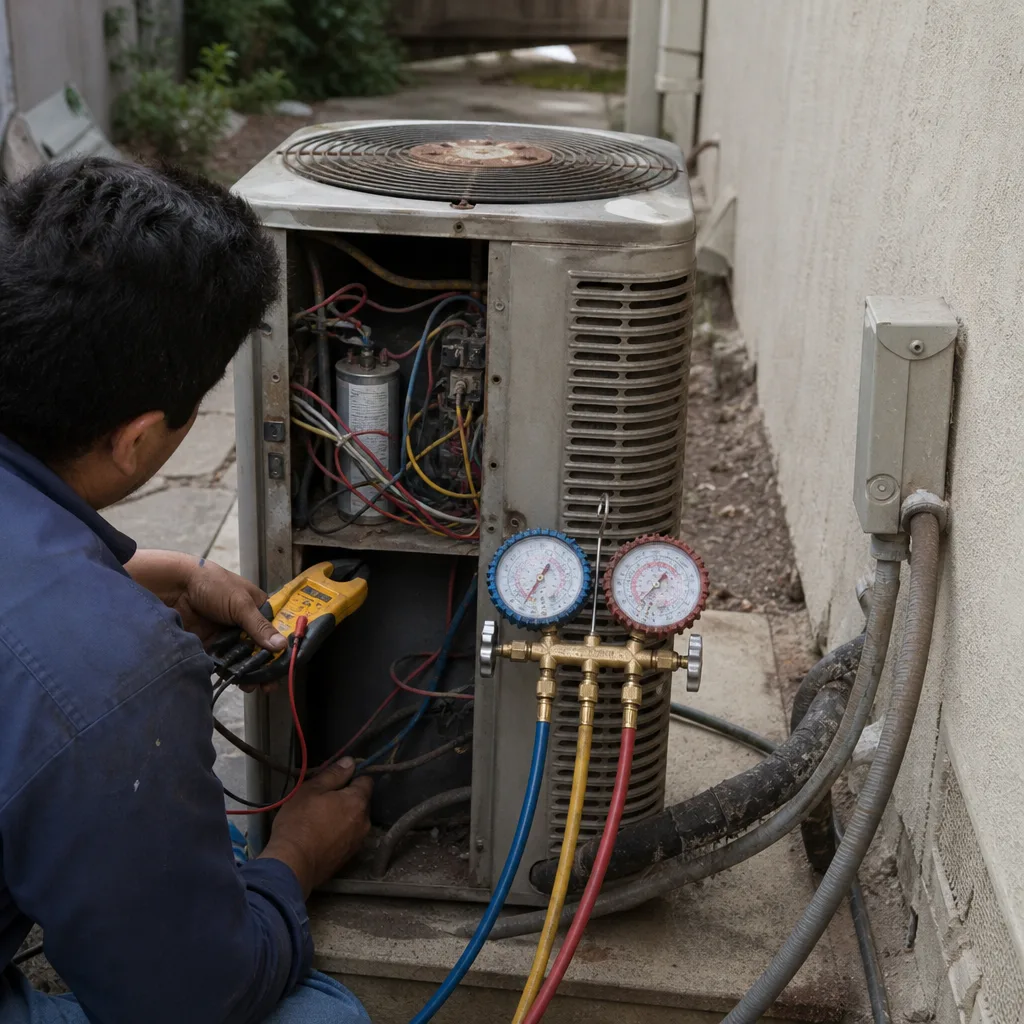 Before
 After
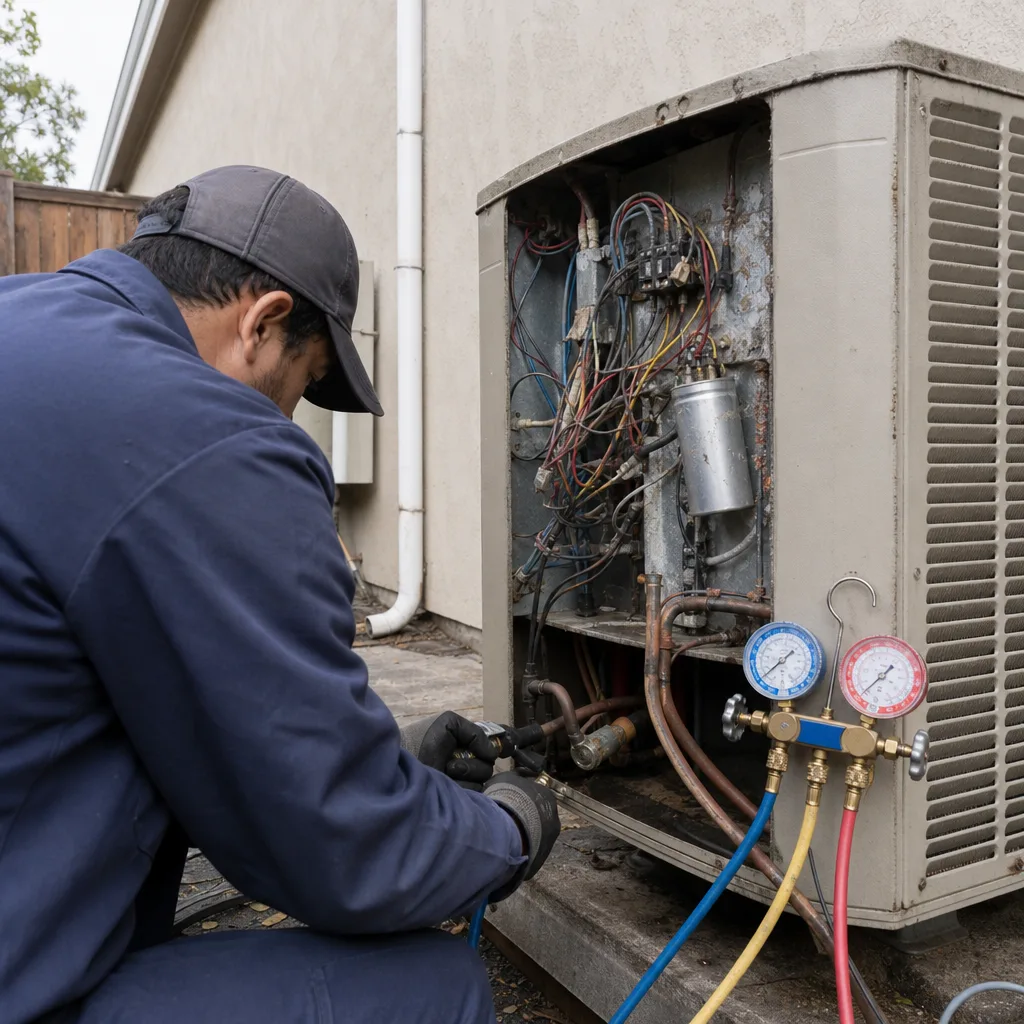 Before
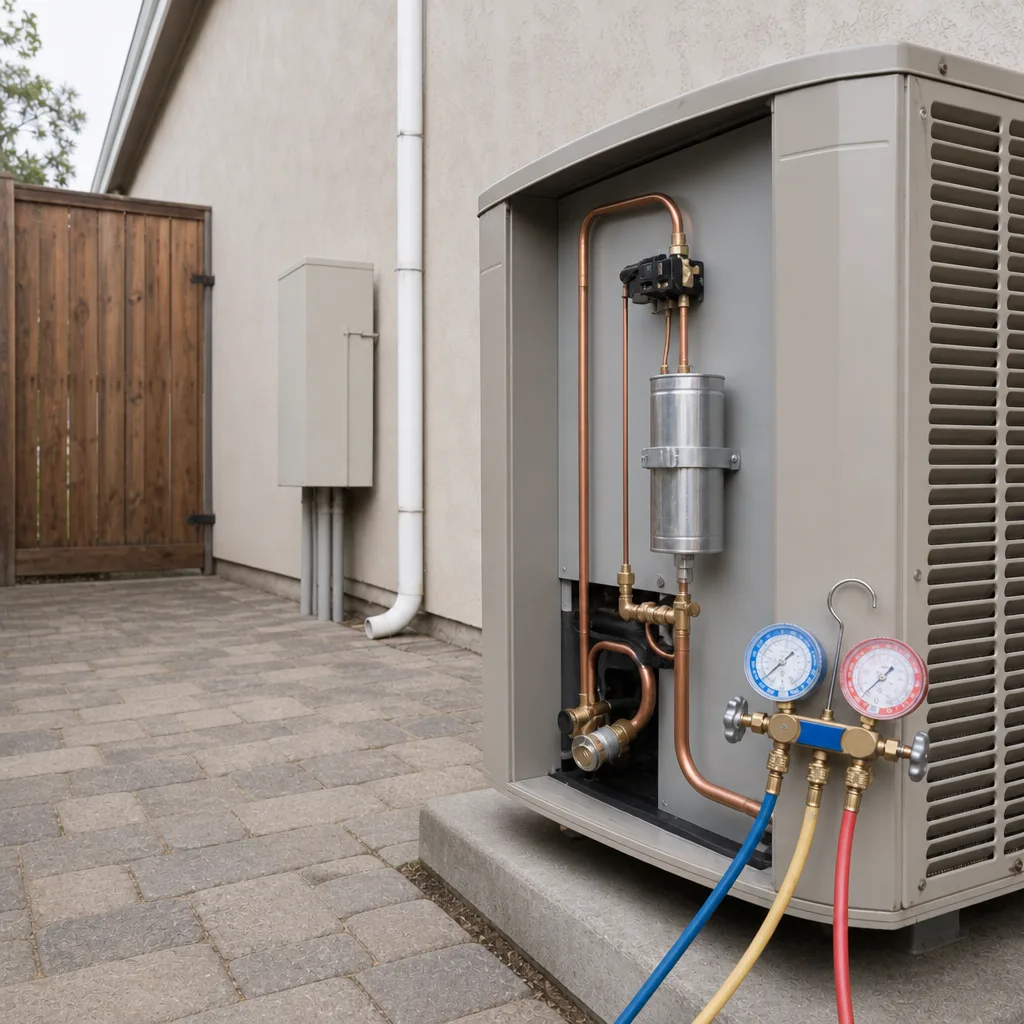 After
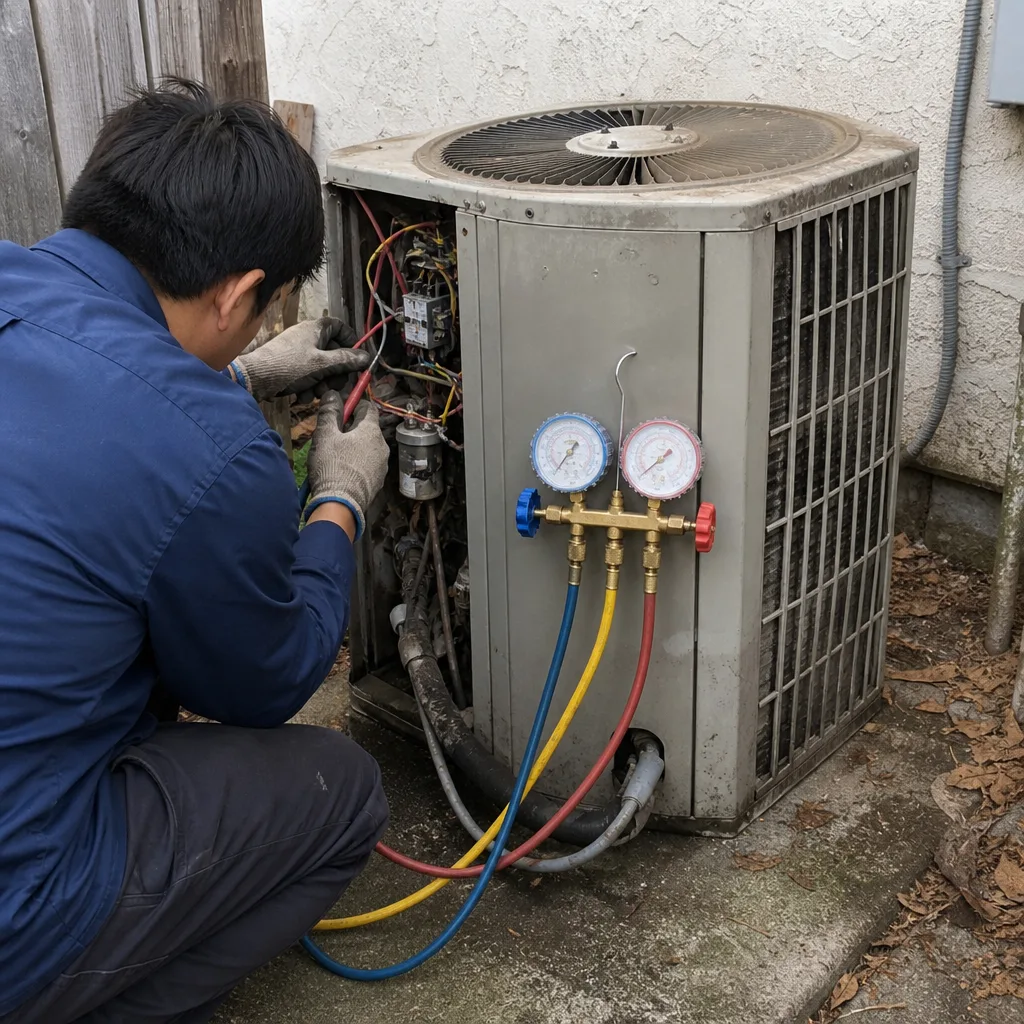 Before
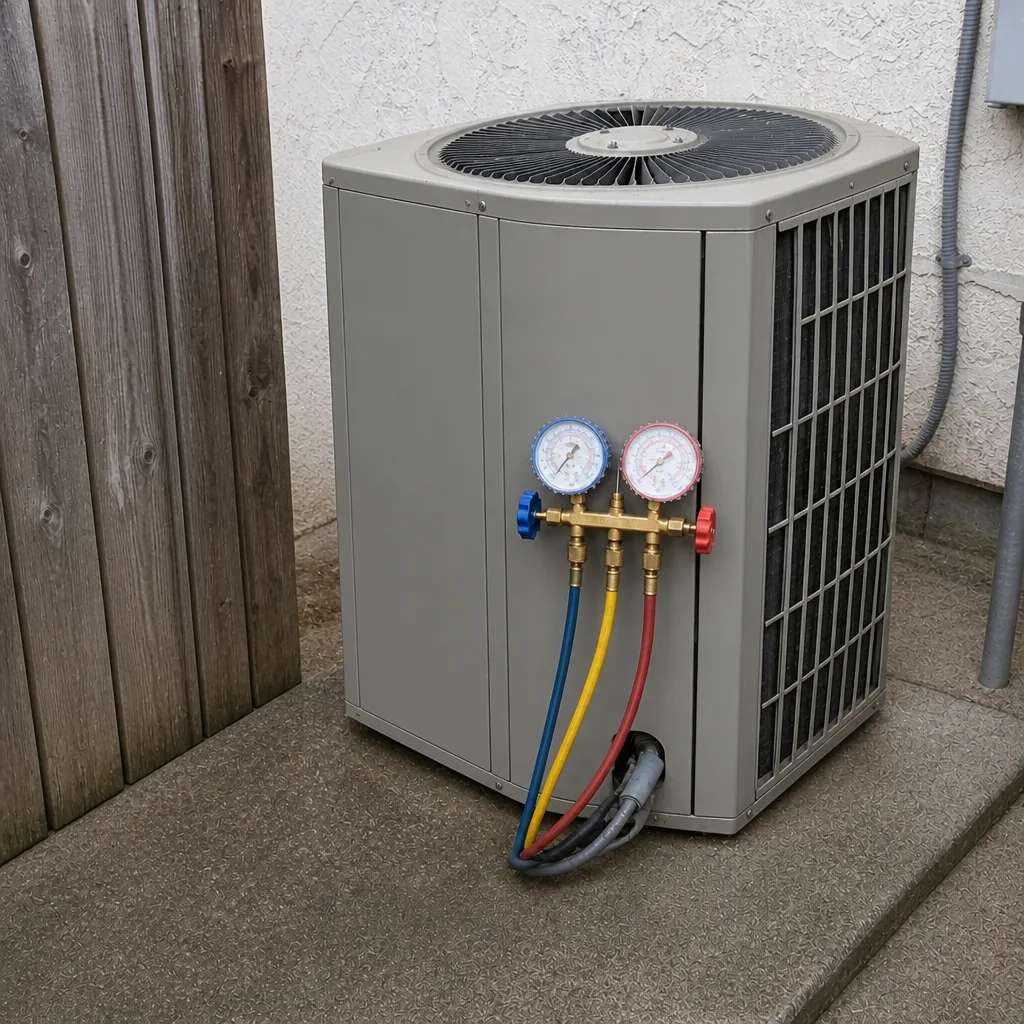 After
When to Call a Professional
Some situations are always a call to a qualified HVAC technician: any burning smell coming from the equipment, water pooling near the air handler, a frozen coil, a breaker that trips repeatedly, a compressor that makes a new mechanical noise, or a system that has stopped entirely during a heat wave. Compressor and refrigerant circuits are high-voltage and high-pressure and are not a homeowner repair. Capacitors hold a lethal charge after power is cut. If you’re unsure whether something qualifies as an emergency, treat it as one and call. We answer 24/7. Fast dispatch from 7am to 7pm, Sunday through Friday. AC Repair Santa Clara offers free estimates in Santa Clara. Call (833) 439-0749.
Frequently Asked Questions
Most emergency AC repairs in Santa Clara fall in a typical range depending on what failed. A run capacitor replacement is generally the least expensive; a contactor replacement is slightly more; a blower motor is significantly higher because of the part and the labor. The written estimate sets the final price, and we provide it before any work starts. Call (833) 439-0749 for an exact quote. Estimates are free. We answer 24/7. Fast dispatch from 7am to 7pm, Sunday through Friday.
We make every effort to reach homeowners with failed cooling the same day, and we’ve built our dispatch around that commitment. On the third day of a major heat wave, wait times stretch because every contractor in Santa Clara is running the same math on total calls versus available technicians. Calling early in the failure, before the system has fully quit, is the single best way to land in a same-day window. Call (833) 439-0749. We answer 24/7. Fast dispatch from 7am to 7pm, Sunday through Friday.
California Penal Code Section 396 prohibits raising prices more than 10 percent above pre-emergency prices on essential goods and services during a declared state of emergency. HVAC repair is essential during a heat emergency. That means an HVAC company charging far more than its usual rate during a declared emergency could be violating the law. Ask for the price in writing and compare it against the company’s normal published rates. If the gap is large, slow down and call around.
Cooling centers during a Santa Clara heat emergency are typically set at senior centers, community centers, and public library branches, and the exact list changes based on the specific emergency. The City of Santa Clara and the Santa Clara County Office of Emergency Management publish which centers are open on the day of a declared heat event. Check those two sources directly before you go. If someone in your household is medically vulnerable, look into PG&E’s Medical Baseline program before summer so you’re on the priority outreach list.
Yes, a small kit of the parts that fail most often during heat waves is worth keeping on hand. The list is short: a run capacitor matching your system’s µF rating, a contactor, a blower motor fuse, and a replacement air filter. The kit only helps if you hand it to a technician, not install it yourself. Capacitors store a lethal charge, and the compressor circuit is high voltage. Call (833) 439-0749 for an exact quote on a repair. Estimates are free. We answer 24/7. Fast dispatch from 7am to 7pm, Sunday through Friday.
Our technicians are trained on Carrier, Trane, Lennox, Goodman, Rheem, York, Daikin, Bryant, and American Standard systems, which covers most residential equipment installed in Santa Clara homes. That means we arrive familiar with your system’s specific layout and known failure points rather than reading the panel for the first time. See more on our AC Repair Santa Clara service page. Call (833) 439-0749 for an exact quote. Estimates are free.
The Bottom Line
The most important thing to remember about HVAC emergencies in Santa Clara is that they are predictable. The third day of a heat wave brings both the highest failure rate and the lowest availability of parts and technicians. Everything in this guide works against that: a small parts kit, three shutoff points you know by heart, a degraded-mode discipline that keeps a struggling system alive, a cooling plan for the people in the house who can’t tolerate heat, and a pre-season check that catches the failures before they happen. Do those things in spring, and the third day of the next heat wave becomes a phone call, not a crisis.
Related Reading
- AC installation for what to expect when a repair is no longer the right call
- Santa Clara for how we work across the city
- AC repair for the repair-side detail behind this guide
- AC Repair Santa Clara for the full picture of our HVAC service
Call AC Repair Santa Clara at (833) 439-0749 for a free estimate on any AC repair, AC installation, or furnace repair. We answer 24/7. Fast dispatch from 7am to 7pm, Sunday through Friday. Our technicians have up to 11 years of experience, we focus only on heating and cooling, and we repair first and replace only when the equipment tells us it’s time.
Written by the team at AC Repair Santa Clara.